Choosing the right cutting board is a fundamental decision for any kitchen, whether you’re a home cook or a professional chef. It influences everything from food safety and knife longevity to the efficiency of your meal preparation. While a myriad of materials exists, plastic cutting boards, particularly those made from polyethylene (PE), have long been a staple due to their practical advantages. Among these, the Update International PE Cutting Board stands out as a highly regarded option, often praised for its durability and hygienic properties. But does it truly live up to the hype? Let’s delve into a comprehensive review of this popular kitchen essential.
Choosing Your Cutting Board: A Comprehensive Guide
The landscape of cutting board materials is diverse, each offering a unique set of benefits and drawbacks. Understanding these differences is crucial for making an informed choice that aligns with your culinary needs.
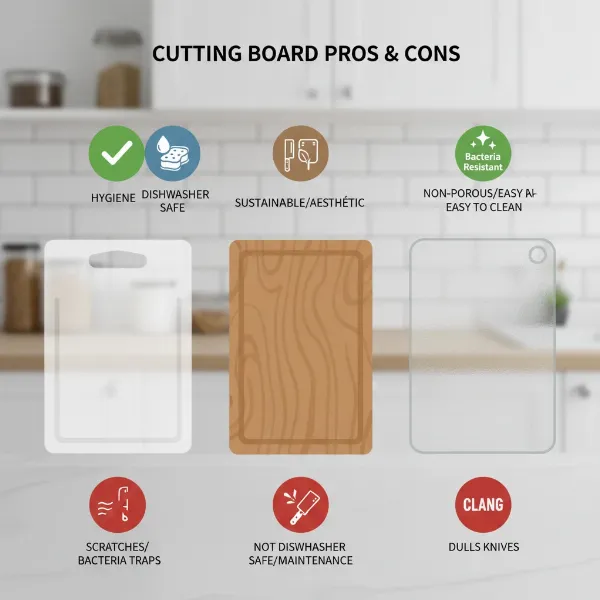
The Pros and Cons of Plastic Cutting Boards
Plastic cutting boards, especially those crafted from High-Density Polyethylene (HDPE), have carved a significant niche in both home and commercial kitchens.
Advantages:
- Superior Hygiene and Ease of Cleaning: Unlike porous materials such as wood, HDPE plastic does not absorb liquids, odors, or bacteria, making it exceptionally hygienic. They are often dishwasher safe, allowing for high-temperature sanitization that effectively kills pathogens. This non-porous nature also means less risk of cross-contamination, especially crucial when handling raw meats.
- Affordability and Replaceability: Plastic boards are generally more economical than their wood or bamboo counterparts. Their lower price point makes them a practical choice for tasks that might damage a more expensive board and allows for easy replacement when they show signs of wear.
- Moisture Resistance: Plastic boards are unaffected by moisture, preventing warping or cracking that can plague other materials.
- Lightweight: They are typically lighter than wooden or glass boards, making them easy to maneuver, carry, and store.
Disadvantages:
- Knife Dulling: While some softer plastics are designed to be gentler on knives, many plastic boards, including some PE varieties, can be harder on blades than wood. This can lead to faster dulling and requires more frequent sharpening.
- Scratching and Grooves: Over time, plastic cutting boards are prone to developing knife marks and deep grooves. These scratches can become challenging to clean thoroughly and may harbor bacteria, necessitating regular inspection and eventual replacement for optimal food safety.
- Microplastic Release: A growing concern is the potential for plastic cutting boards to release microplastic particles into food during cutting. While research is ongoing, it’s a factor some consumers consider.
- Environmental Impact and Aesthetics: Plastic is not biodegradable, making it less eco-friendly than sustainable wood or bamboo options. Aesthetically, many find plastic less appealing than natural wood.
|
Our Picks for the Best Plastic cutting board in 2026
As an Amazon Associate I earn from qualifying purchases.
|
||
| Num | Product | Action |
|---|---|---|
| 1 | FARBERWARE Reversible Plastic Cutting Board, 8x10 Inch, White, Dishwasher Safe, Non-Porous and Durable for Chopping, Slicing, Prep, Easy to Store |

|
| 2 | THETCHRY Plastic Cutting Board Set of 3-Cutting Boards for Kitchen BPA Free, Large-Small Chopping Boards Non-Slip for Cooking Camping Dishwasher Safe, Reversible, with Grip Handle, 15"×10"×0.25" Green |
|
| 3 | FARBERWARE Extra-Large Plastic Cutting Board, 15x20 Inch Dishwasher-Safe Chopping Board with Juice Groove, Non-Slip Surface, Durable, White |
|
| 4 | KitchenAid Classic Cutting Board with Perimeter Trench and Non Slip Edges, Dishwasher Safe, 11 inch x 14 inch, White and Gray |
|
| 5 | Commercial Grade Plastic Cutting Board 18 x 12 x 1/2 Thick High Density White Poly, NSF Certified and Dishwasher Safe for Food Service |
|
| 6 | OXO Good Grips Plastic Utility Cutting Board |
|
| 7 | GORILLA GRIP BPA-Free Reversible Kitchen Cutting Board Set of 3, US Designed, Nonporous, Juice Grooves Catch Liquid, Slip Resistant Border, Dishwasher Safe, Durable Large Food Chopping Boards, Black |
|
| 8 | Farberware Large Cutting Board, Dishwasher- Safe Plastic Chopping Board for Kitchen with Easy Grip Handle, 11-inch by 14-inch, White |
|
| 9 | Extra Large Cutting Boards, Plastic Cutting Boards for Kitchen (Set of 3) Cutting Board Set Dishwasher Chopping Board with Juice Grooves Easy-Grip Handles, Dark Grey, Empune |
|
| 10 | Goodluck 5 Pieces Flexible Cutting Boards, BPA Free Plastic Cutting Boards for Kitchen, Non Slip Cutting Mat for Meat and Vegetables |
|
Understanding Plastic Cutting Board Types
Not all plastic cutting boards are created equal. The material composition significantly impacts performance and longevity.
- Polyethylene (PE) / High-Density Polyethylene (HDPE): HDPE is the most common type of plastic used for cutting boards, highly favored in commercial settings. It’s known for being anti-odor, lightweight, and offering good resistance to moisture and stains. While relatively soft on knife edges compared to harder plastics like glass or stone, it’s durable and can withstand high temperatures for effective sanitization, often making it dishwasher safe. Its non-porous nature is a key advantage for hygiene.
- Polypropylene (PP): PP is another popular plastic for cutting boards. It is generally a slightly harder plastic than PE, making it very durable. PP boards are typically light and economical, making them suitable for everyday family use. They share many benefits with PE, including resistance to moisture and often being dishwasher safe.
- Recycled Plastic: As an environmentally conscious option, some cutting boards are made from recycled plastics. Their properties can vary depending on the specific plastic used in the recycling process.
Comparing Popular Plastic Cutting Boards
When choosing between plastic cutting board types, understanding their inherent qualities is key. HDPE and PP represent the two most prevalent materials, each with subtle differences that cater to various kitchen needs.
| Feature | High-Density Polyethylene (HDPE) | Polypropylene (PP) |
|---|---|---|
| Material Hardness | Softer (relative to knife edge), good knife feel | Slightly harder than PE |
| Durability | Excellent, resistant to moisture and cracking | Very good, strong and impact-resistant |
| Hygiene | Non-porous, highly resistant to bacteria, odors, and stains | Non-porous, good resistance to bacteria and odors |
| Knife Friendliness | Generally gentle on knives, helps maintain edge | Can be slightly harder on knife edges than PE |
| Heat Resistance | Good, typically dishwasher safe (up to high temperatures) | Good, typically dishwasher safe |
| Common Use | Commercial kitchens, high-volume prep, all-around use | Home kitchens, everyday tasks, economical choice |
| Flexibility | Moderate flexibility, depending on thickness | Often more rigid |
| Cost | Moderate | Economical |
Update International PE Cutting Board: An In-Depth Look
The Update International PE Cutting Board is a prime example of a workhorse kitchen tool, designed for both home culinary enthusiasts and demanding commercial environments.
Key Features and Specifications
This cutting board is typically made from robust High-Density Polyethylene (HDPE), a material chosen for its practical benefits in food preparation. While sizes vary, a common dimension such as 12×18 inches is popular, offering ample space for diverse tasks. The thickness is usually substantial, often around 0.5 to 1 inch, contributing to its stability and longevity.
A standout feature is its non-slip surface, providing crucial stability during use and minimizing the risk of accidents. Its non-porous construction is a significant advantage, preventing the absorption of liquids, food odors, and stains, which is vital for maintaining kitchen hygiene. The board is also food-grade certified, ensuring it is safe for all types of food preparation and allergen-friendly. Furthermore, the Update International PE Cutting Board is dishwasher safe, making cleanup incredibly convenient and allowing for thorough sanitization.
Performance Review
From a technical perspective, the Update International PE Cutting Board delivers consistently reliable performance across various kitchen tasks.
Durability and Longevity: Constructed from heavy-duty HDPE, this board is built to last. It resists warping, chipping, and cracking, even with frequent use in demanding environments. Its sturdy build ensures it remains a stable platform for cutting, chopping, and dicing for years.
Knife-Friendliness: While no plastic board is as forgiving as a soft wooden end-grain board, the PE material of the Update International board offers a surface that is relatively kind to knife edges compared to harder plastics or glass. This helps in preserving the sharpness of your knives, though regular sharpening is still recommended.
Hygiene and Ease of Cleaning: This is where the Update International PE Cutting Board truly shines. Its non-porous surface means that food particles and liquids do not seep in, significantly reducing the risk of bacterial growth. Being dishwasher safe simplifies sanitization, allowing for a hygienic clean after every use, especially when handling raw meats or poultry. The non-staining property also keeps the board looking clean and fresh.
Versatility in the Kitchen: The board’s robust design and hygienic properties make it exceptionally versatile. It is suitable for a wide range of foods, including vegetables, fruits, raw meats, poultry, fish, cooked foods, and even baked goods. Its generous size provides ample space for complex prep tasks, making it a reliable companion for any culinary adventure. The non-slip feature ensures that the board stays firmly in place, even during vigorous chopping.
Maintaining Your PE Cutting Board: Best Practices
To ensure your Update International PE Cutting Board remains a safe and effective tool, proper care and maintenance are essential.
Daily Cleaning for Optimal Hygiene
After each use, especially when preparing raw animal products, clean your cutting board thoroughly.
- Wash with hot, soapy water: Use a sponge or a nylon-bristled brush to scrub the entire surface, paying attention to any knife marks or grooves.
- Rinse thoroughly: Ensure all soap residue is removed.
- Dry immediately: Air dry or wipe with a clean towel to prevent water spots and further minimize bacterial growth.
Deep Cleaning and Sanitization Methods
Regular sanitization is crucial to eliminate any lingering bacteria, particularly from scratches that may develop over time.
- Dishwasher Use: The easiest and most effective method for dishwasher-safe PE boards. Run it through a hot wash cycle with your regular detergent. The high temperatures will effectively kill most pathogens.
- Bleach Solution: For a chemical sanitization, mix one tablespoon of unscented liquid chlorine bleach with one gallon of water. Pour this solution over the board, ensuring it covers the surface completely. Let it sit for at least 10 seconds, then rinse thoroughly with clean water and air dry.
- Vinegar/Hydrogen Peroxide: For a more natural approach or to combat stains and odors, a solution of ½ cup distilled white vinegar mixed with 1 cup of water can be used. Scrub it into the board, then rinse. Alternatively, spray hydrogen peroxide on the board, let it sit overnight, then rinse with soap and water.
- Boiling Water: For thick, high-quality PE boards that are resistant to warping, pouring boiling water over the surface can deep-clean scratches and kill bacteria. Exercise caution with this method.
When to Replace Your Cutting Board
Even with diligent cleaning, plastic cutting boards have a lifespan. You should consider replacing your Update International PE Cutting Board when you observe:
- Deep grooves and significant knife marks: These can become difficult to clean and may harbor bacteria, posing a food safety risk.
- Discoloration or persistent odors: These are signs that the board’s surface integrity may be compromised.
- Warping or cracks: These can affect stability and hygiene.
Regular inspection ensures you maintain a safe and functional cutting surface in your kitchen.
> “A cutting board is your most used tool. Investing in a quality PE board like the Update International model ensures not only durability but also peace of mind regarding kitchen hygiene, provided you maintain it correctly.” – Chef Maria Rodriguez, Culinary Instructor
Conclusion
The Update International PE Cutting Board emerges as a highly practical and reliable choice for both busy home kitchens and demanding commercial settings. Its robust HDPE construction, coupled with features like a non-slip surface and dishwasher-safe, non-porous material, positions it as a top contender for those prioritizing hygiene, durability, and ease of maintenance. While plastic boards inherently present challenges like potential knife dulling and the formation of scratches, the Update International model effectively mitigates many of these concerns through its quality design and material choice. With proper cleaning and timely replacement, this PE cutting board can be a long-lasting and indispensable asset in your culinary arsenal. Is it time to upgrade your kitchen with a board that marries functionality with steadfast hygiene?
Frequently Asked Questions
Is the Update International PE Cutting Board BPA-free?
While specific BPA-free certification may vary by product batch, most modern food-grade HDPE cutting boards, especially those designed for commercial use like Update International, are generally considered BPA-free, prioritizing food safety standards. Always check product specifications for the most accurate information.
How often should I sanitize my PE cutting board?
It’s recommended to clean and sanitize your PE cutting board after every use, particularly when handling raw meats, poultry, or fish. For general use with fruits and vegetables, a thorough wash with hot, soapy water is usually sufficient, but periodic sanitization, such as a dishwasher cycle or a bleach solution, is good practice.
Can plastic cutting boards dull knives?
Yes, plastic cutting boards, including those made from PE, can eventually dull knife blades faster than softer materials like specific types of wood. While PE is generally gentler than very hard materials like glass, repeated cutting on any solid surface will necessitate more frequent knife sharpening.
What is the difference between PE and PP cutting boards?
Both PE (Polyethylene) and PP (Polypropylene) are common plastics for cutting boards. PE, especially HDPE, is often slightly softer and more commonly used in commercial settings due to its excellent hygienic properties. PP tends to be a bit harder and more rigid, offering good durability and being a popular, economical choice for home use.