Stepping into any kitchen, whether a bustling commercial establishment or a cozy home space, the silent threat of cross-contamination always looms. It’s an invisible enemy that can turn a delicious meal into a source of foodborne illness, impacting health and eroding trust. Fortunately, a simple yet powerful system stands ready to combat this risk: color-coded cutting boards. These vibrant tools are more than just aesthetic additions; they are a cornerstone of modern food safety, designed to prevent the transfer of harmful bacteria and allergens between different food types.
This comprehensive guide will delve into the world of color-coded cutting boards, explaining their critical role in kitchen hygiene. We’ll explore the widely accepted color schemes, compare different material types, provide a detailed buying guide, and highlight our top 5 picks to help you create a safer, more organized, and ultimately more enjoyable cooking environment.
The Indispensable Role of Color-Coded Cutting Boards
The concept of assigning specific colors to cutting boards for different food categories is a practice championed by Hazard Analysis and Critical Control Points (HACCP) principles, although not always legally mandatory, it is highly encouraged by food safety agencies worldwide. This system serves as a powerful visual cue, making it easy for anyone in the kitchen to quickly identify the correct board for the task at hand and significantly reduce the risk of transferring pathogens.
Advantages of Color-Coded Cutting Boards
The benefits of implementing a color-coded cutting board system extend far beyond mere organization, directly impacting food safety and kitchen efficiency.
- Preventing Cross-Contamination: This is the primary and most critical advantage. By dedicating a separate board for raw meats, poultry, seafood, and vegetables, you drastically reduce the chance of bacteria like Salmonella or E. coli spreading from high-risk foods to ready-to-eat items.
- Maintaining Superior Hygiene and Safety: A clear color system elevates overall kitchen hygiene, creating a safer environment and protecting individuals from foodborne illnesses. It’s a proactive measure that minimizes health risks.
- Protecting Ingredient Flavors: Beyond bacteria, color coding prevents the transfer of strong odors and flavors. Imagine preparing delicate fruits on a board previously used for raw fish; the residual smell could taint your fresh produce. Dedicated boards ensure each ingredient retains its unique taste.
- Streamlining Kitchen Workflow: In a busy kitchen, quick decision-making is essential. Color-coded boards eliminate guesswork, allowing cooks to grab the right tool instantly, which improves operational clarity and efficiency.
- Assisting in Allergen Management: For individuals with food allergies, cross-contact can be life-threatening. A dedicated color board (often purple) for allergen-free items provides an extra layer of protection, crucial for sensitive diets.
- Promoting Food Safety Compliance: While not always a legal requirement, adopting a color-coded system demonstrates a commitment to high food safety standards, aligning with best practices and regulatory guidelines.
|
Our Picks for the Best Plastic cutting board in 2026
As an Amazon Associate I earn from qualifying purchases.
|
||
| Num | Product | Action |
|---|---|---|
| 1 | Goodluck 5 Pieces Flexible Cutting Boards, BPA Free Plastic Cutting Boards for Kitchen, Non Slip Cutting Mat for Meat and Vegetables |

|
| 2 | Extra Large Cutting Boards, Plastic Cutting Boards for Kitchen (Set of 3) Cutting Board Set Dishwasher Chopping Board with Juice Grooves Easy-Grip Handles, Dark Grey, Empune |
|
| 3 | OXO Good Grips Plastic Utility Cutting Board |
|
| 4 | THETCHRY Plastic Cutting Board Set of 3-Cutting Boards for Kitchen BPA Free, Large-Small Chopping Boards Non-Slip for Cooking Camping Dishwasher Safe, Reversible, with Grip Handle, 15"×10"×0.25" Green |
|
| 5 | Commercial Grade Plastic Cutting Board 18 x 12 x 1/2 Thick High Density White Poly, NSF Certified and Dishwasher Safe for Food Service |
|
| 6 | KitchenAid Classic Cutting Board with Perimeter Trench and Non Slip Edges, Dishwasher Safe, 11 inch x 14 inch, White and Gray |
|
| 7 | FARBERWARE Reversible Plastic Cutting Board, 8x10 Inch, White, Dishwasher Safe, Non-Porous and Durable for Chopping, Slicing, Prep, Easy to Store |
|
| 8 | Farberware Large Cutting Board, Dishwasher- Safe Plastic Chopping Board for Kitchen with Easy Grip Handle, 11-inch by 14-inch, White |
|
| 9 | GORILLA GRIP BPA-Free Reversible Kitchen Cutting Board Set of 3, US Designed, Nonporous, Juice Grooves Catch Liquid, Slip Resistant Border, Dishwasher Safe, Durable Large Food Chopping Boards, Black |
|
| 10 | FARBERWARE Extra-Large Plastic Cutting Board, 15x20 Inch Dishwasher-Safe Chopping Board with Juice Groove, Non-Slip Surface, Durable, White |
|
Disadvantages and Considerations for Plastic Boards
While incredibly beneficial, plastic cutting boards, which are commonly used for color-coding, do come with their own set of considerations. Over time, plastic surfaces can develop knife marks and deep grooves. These crevices can become breeding grounds for bacteria, making thorough cleaning and sanitizing challenging [cite: 4 (search result 1.4)]. Therefore, regular inspection and replacement of worn boards are essential to maintain food safety. It’s also vital to choose high-quality, food-safe plastics, as some cheaper options might contain toxic pigments [cite: 5 (search result 1.5)]. Always look for BPA-free and NSF-certified products.
Deciphering the Rainbow: Common Color Codes and Their Uses
The beauty of a color-coded system lies in its universal recognition, though slight variations exist. The core principle remains consistent: a distinct color for each food category to prevent cross-contamination. Here’s a breakdown of the most widely accepted color assignments for cutting boards:
- Red (Raw Red Meat): This board is strictly for raw red meats like beef, lamb, and pork. Red signifies danger, reminding users that raw meat contains bacteria that must not contaminate other foods.
- Yellow (Raw Poultry): Dedicated to raw chicken, turkey, and other poultry. Raw poultry is a known source of pathogens such as Salmonella, making a separate yellow board crucial for prevention [cite: 1 (search result 2.1), 3 (search result 3.3), 5 (search result 1.5)]. (Note: Some systems may assign yellow to cooked meats, but dedicating it to raw poultry offers an added layer of safety.)
- Blue (Raw Fish and Seafood): Reserved exclusively for raw fish, shellfish, and other seafood. Given common allergies and distinct odors, using a blue board prevents cross-contamination and flavor transfer.
- Green (Fruits and Vegetables): This board is for fresh produce, including leafy greens, herbs, and ripe fruits. Using green keeps these items free from any contact with raw animal proteins.
- White (Dairy and Bakery Products): Ideal for prepared foods that don’t require further cooking, such as bread, pastries, and cheeses. Its neutral color often symbolizes cleanliness for ready-to-eat items.
- Brown (Cooked Meats or Root Vegetables): Brown boards are often designated for cooked meats, helping to keep them separate from raw proteins [cite: 1, 3 (search result 3.3), 5 (search result 1.5)]. Alternatively, some systems use brown for unwashed or root vegetables, acknowledging the soil and dirt they might carry [cite: 2 (search result 1.2), 4 (search result 1.4)]. Whichever designation is chosen, consistent application within your kitchen is paramount.
- Purple (Allergen-Free / “Free From” Products): Increasingly adopted, purple boards are used for foods requiring strict allergen segregation, such as gluten-free, kosher, or vegan ingredients. This ensures no cross-contact for sensitive individuals.
The key takeaway is consistency. Once you establish your kitchen’s color code, ensure everyone understands and adheres to it. Displaying a clear chart can be a great visual aid for busy individuals.
Comparing Color-Coded Cutting Board Materials
While color-coding is the functional aspect, the material of your cutting board greatly influences its durability, hygiene, and user experience. Most color-coded boards are made from various types of plastic, each with distinct properties.
Common Plastic Materials for Cutting Boards
| Material Type | Key Characteristics | Durability | Heat Resistance | Common Uses | Notes |
|---|---|---|---|---|---|
| High-Density Polyethylene (HDPE) | Non-porous, robust, rigid, food-safe, and often NSF-certified. | High | Good (dishwasher safe) | Commercial kitchens, heavy-duty home use, where durability is paramount. | Excellent for preventing cross-contamination due to its non-porous nature. Slightly more expensive but offers greater longevity [cite: 1 (search result 3.1), 2 (search result 3.2)]. |
| Low-Density Polyethylene (LDPE) | More flexible, softer than HDPE, also non-porous and food-safe. | Moderate | Good (dishwasher safe) | Home kitchens, lighter use, or as flexible cutting mats. | More affordable than HDPE. May show knife marks more easily and require more frequent replacement, especially with heavy use [cite: 1 (search result 3.1)]. |
| Polypropylene (PP) | Very smooth, stiff, non-porous, chemically resistant, lightweight. Often dishwasher-safe. | High | Very Good (dishwasher safe) | Home and professional kitchens, especially for color-coded sets due to ease of sanitation. | Known for being very knife-friendly and not absorbing liquids or odors. Offers an excellent balance of rigidity and impact resistance, making it a robust choice for hygiene-focused applications [cite: 3 (search result 3.3)]. |
Plastic vs. Other Materials
While wood and bamboo cutting boards offer aesthetic appeal and can be gentler on knife blades, their porous nature makes them more challenging to sanitize effectively, especially when handling raw meats. They require more rigorous maintenance, such as oiling, and are not typically recommended for applications where strict cross-contamination prevention (like the color-coded system) is the top priority. Plastic boards, particularly those made from HDPE or PP, are fully non-porous, making them exceptionally easy to clean and sanitize, and ideal for robust food safety protocols [cite: 3 (search result 3.3)].
Your Buying Guide to Color-Coded Cutting Board Sets
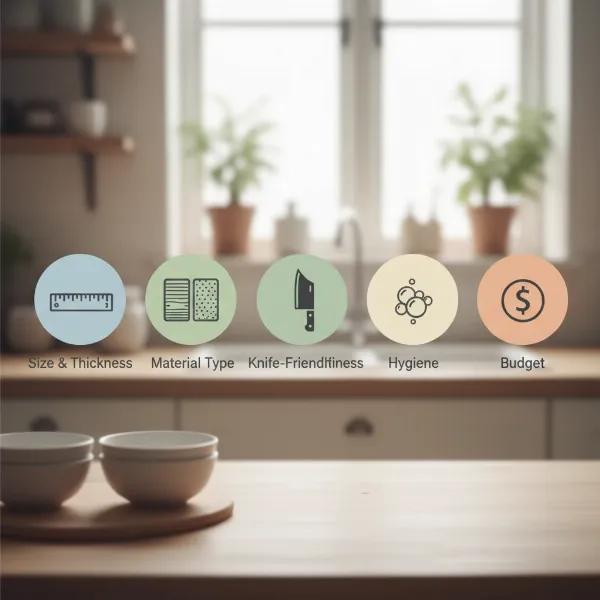
Choosing the right color-coded cutting board set involves more than just picking pretty colors. Thoughtful consideration of several factors will ensure your investment genuinely enhances your kitchen’s safety and functionality.
Essential Factors When Buying
- Material Quality (BPA-Free & NSF Certification): Prioritize boards made from high-quality, food-grade plastics like HDPE or PP that are explicitly labeled BPA-free. For the ultimate assurance, look for NSF (National Sanitation Foundation) certified boards, which meet rigorous public health and safety standards [cite: 2 (search result 3.2)]. These materials resist odors, stains, and warping.
- Size and Thickness: Consider your typical cooking needs. A good set will offer a range of sizes—smaller boards for quick tasks like chopping an onion, and larger ones for preparing substantial cuts of meat or multiple vegetables. Thicker boards are generally more durable, less prone to warping, and offer a more stable cutting surface.
- Non-Slip Features: A cutting board that slides around is a safety hazard. Look for boards with non-slip feet, rubberized edges, or textured undersides that grip the countertop firmly. This prevents accidents and provides a stable platform for chopping.
- Juice Grooves: Especially crucial for raw meats and juicy fruits, integrated juice grooves around the perimeter of the board help contain liquids, preventing spills and further reducing the risk of cross-contamination onto your countertops.
- Ease of Cleaning: All color-coded boards must be thoroughly cleaned after each use. Opt for boards that are dishwasher safe for maximum convenience and sanitation. Handwashing with hot, soapy water is also effective, but dishwasher compatibility saves time and ensures a higher temperature clean.
- Storage Solutions: Many color-coded sets come with sleek storage stands or cases, which help keep your boards organized, dry, and easily accessible. This is particularly beneficial for maintaining a clutter-free and hygienic workspace.
- Reputable Brands: Investing in brands known for kitchenware and food safety ensures you receive a quality product designed for durability and performance.
Investing in Sets for Optimal Safety
While buying individual boards is an option, investing in a complete color-coded set is highly recommended. A dedicated set ensures you have all the necessary colors on hand, promoting a consistent and effective system from day one. These sets are often designed for compact storage, making them a practical choice for any kitchen size.
Top 5 Color-Coded Cutting Board Sets for Your Kitchen
Based on their design, materials, and overall effectiveness in preventing cross-contamination, here are five excellent options for color-coded cutting board sets that stand out in the market.
1. Joseph Joseph Folio 4-Piece Color Coded Cutting Board Set
This set is a prime example of form meeting function. The Joseph Joseph Folio features four food-specific, non-slip cutting boards housed in a sleek, space-saving stainless-steel case [cite: 2 (search result 4.2)]. Each board is color-coded and often includes icons indicating its intended use (raw meat, vegetables, cooked food, fish), making it incredibly intuitive to use. The knife-friendly, textured surfaces and non-slip feet provide a secure chopping experience. Its elegant design also makes it a stylish addition to any kitchen countertop.
2. Gorilla Grip Cutting Board Set (Multi-Color Options)
While not always marketed as a strict “color-coded set” initially, Gorilla Grip boards are widely praised for their quality and come in a vast array of colors, making them perfect for creating your own bespoke color-coded system [cite: 1 (search result 4.1), 5 (search result 4.5)]. These durable plastic boards feature non-slip rubber edges and deep juice grooves, which are highly effective at containing liquids. They are also reversible and dishwasher safe, offering practicality and ease of maintenance. The Gorilla Grip set is an excellent choice for those who want robust, reliable boards with the flexibility to implement their chosen color scheme.
3. Farberware Plastic Cutting Board Set
Farberware has long been a trusted name in kitchen essentials, and their plastic cutting board sets are a popular, budget-friendly option [cite: 1 (search result 4.1)]. These sets often come in multiple pieces and various colors, allowing users to easily designate specific boards for different food types. They are known for being inexpensive, dishwasher safe, and resistant to staining, making them a practical choice for everyday home use where value and basic cross-contamination prevention are key.
4. OXO Good Grips Carving and Cutting Board
Known for ergonomic design and user-friendliness, OXO Good Grips offers durable plastic cutting boards that, while not always sold as a full color-coded set, are often available individually in colors that can be combined to form a system. These boards are celebrated for their sturdy construction, non-slip edges, and convenient juice grooves. They are easy to store and clean, making them a reliable choice for those who prefer to build their color-coded collection with high-quality individual pieces that perform consistently.
5. BPA-Free, Non-Slip Plastic Cutting Board Sets (Generic Value Brands)
Many reputable kitchenware brands and online retailers offer excellent value-driven multi-piece plastic cutting board sets that are explicitly designed to be BPA-free and feature non-slip properties. Brands like Kikcoin, Bestdin, or AOKIWO frequently appear in top review lists for their combination of affordability and functionality [cite: 4 (search result 4.4)]. These sets typically include different sizes, non-slip feet, and juice grooves, providing a practical foundation for a home kitchen’s color-coded system without a significant investment. They are a great starting point for anyone committed to enhancing food safety.
Maintaining Impeccable Hygiene: Cleaning and Care
Even the best color-coded system is only as effective as its cleanliness. Proper washing and maintenance are essential to ensure your cutting boards continue to prevent contamination and last longer.
- Immediate Cleaning After Each Use: Always wash your cutting board immediately after use, especially after handling raw meats, poultry, or fish. Use hot, soapy water and a stiff brush to scrub away any food particles and residues.
- Sanitization is Key: Beyond washing, periodic sanitization is crucial.
- Dishwasher Safe Boards: If your boards are dishwasher safe (most plastic ones are), run them through a hot cycle. The high temperature helps to kill bacteria.
- Bleach Solution: For non-dishwasher-safe boards or for an extra deep clean, you can use a diluted bleach solution (one teaspoon of liquid bleach per quart of water). Submerge the board for a few minutes, then rinse thoroughly with clean water.
- Vinegar or Hydrogen Peroxide: For a more natural approach, a spray of white vinegar followed by a spray of 3% hydrogen peroxide (never mix them directly) can also act as a disinfectant. Let each sit for a few minutes before rinsing.
- Thorough Drying: After washing and sanitizing, always dry your cutting boards completely. Air dry them upright in a rack or use a clean towel. Moisture can encourage bacterial growth, even on clean surfaces.
- Storage: Store boards in a dry, well-ventilated area. Many sets come with stands that allow for proper air circulation, preventing mildew and odors. Avoid stacking wet boards.
- When to Replace: Plastic cutting boards will inevitably accumulate knife marks. Deep grooves and scratches can harbor bacteria that are difficult to remove, even with thorough cleaning [cite: 4 (search result 1.4)]. If your board shows significant wear, deep cuts, discoloration, or develops a persistent odor, it’s time to replace it to maintain optimal food safety.
“A well-maintained, color-coded cutting board system isn’t just a best practice; it’s a fundamental line of defense against foodborne illnesses in any kitchen.”
Conclusion
Embracing a color-coded cutting board system is one of the most effective and straightforward ways to elevate food safety in your kitchen. By dedicating specific boards to different food categories—raw meats, poultry, fish, vegetables, and cooked items—you create a clear visual barrier against the dangerous spread of bacteria and allergens. This systematic approach not only protects your health but also streamlines your cooking process and preserves the integrity of your ingredients’ flavors.
Investing in a quality set of color-coded plastic cutting boards, understanding the recommended uses for each color, and adhering to strict cleaning protocols are crucial steps toward achieving a truly hygienic and efficient culinary space. Don’t underestimate the power of these simple, colorful tools in preventing cross-contamination and fostering a safer kitchen environment for everyone. Which color-coded set will you choose to transform your kitchen’s food safety practices today?
Frequently Asked Questions
Are color-coded cutting boards mandatory for home kitchens?
While not typically a legal requirement for home kitchens, color-coded cutting boards are highly recommended by food safety experts. They provide a simple and effective method to minimize the risk of cross-contamination, which can lead to foodborne illnesses, making them a valuable tool for any home cook.
What are the most important colors for a basic home kitchen set?
For basic home use, prioritizing boards for high-risk foods is key. A good starting point includes: Red (raw meat), Yellow (raw poultry), Blue (raw fish), and Green (fruits and vegetables). Adding a White board for dairy/baked goods or a Brown board for cooked foods further enhances safety.
How often should I replace plastic cutting boards?
You should replace plastic cutting boards when they show significant signs of wear, such as deep knife cuts, excessive scoring, discoloration, or a persistent odor. These grooves can harbor bacteria that are difficult to clean, compromising food safety. Regular inspection is crucial.
Can I use wood or bamboo cutting boards for color coding?
While wood and bamboo boards are popular, their porous nature makes them less ideal for a strict color-coded system focused on preventing cross-contamination, especially with raw meats. Plastic (HDPE or PP) is generally preferred for color-coding due to its non-porous surface, which is easier to sanitize thoroughly.
How do I clean and sanitize my color-coded cutting boards effectively?
After each use, wash boards with hot, soapy water. For sanitization, use a dishwasher if the boards are safe, or a diluted bleach solution (1 teaspoon bleach per quart of water) for a few minutes, followed by a thorough rinse. Always dry boards completely before storing them to prevent bacterial growth.