In the bustling heart of any kitchen, the cutting board often stands as an unsung hero, constantly put to the test by sharp knives and diverse ingredients. While traditional wood has its charm, plastic cutting boards have emerged as a formidable contender, favored for their hygiene, durability, and ease of maintenance. Among the myriad of plastic options available, two materials consistently rise to the forefront: polypropylene (PP) and high-density polyethylene (HDPE). Understanding the nuances between these two popular choices is crucial for any home cook or culinary professional looking to equip their kitchen with the best possible tools. This comprehensive guide will delve into the distinct characteristics, advantages, and ideal applications of PP and HDPE cutting boards, helping you make an informed decision for a safer and more efficient food preparation experience.
Advantages and Disadvantages of Plastic Cutting Boards
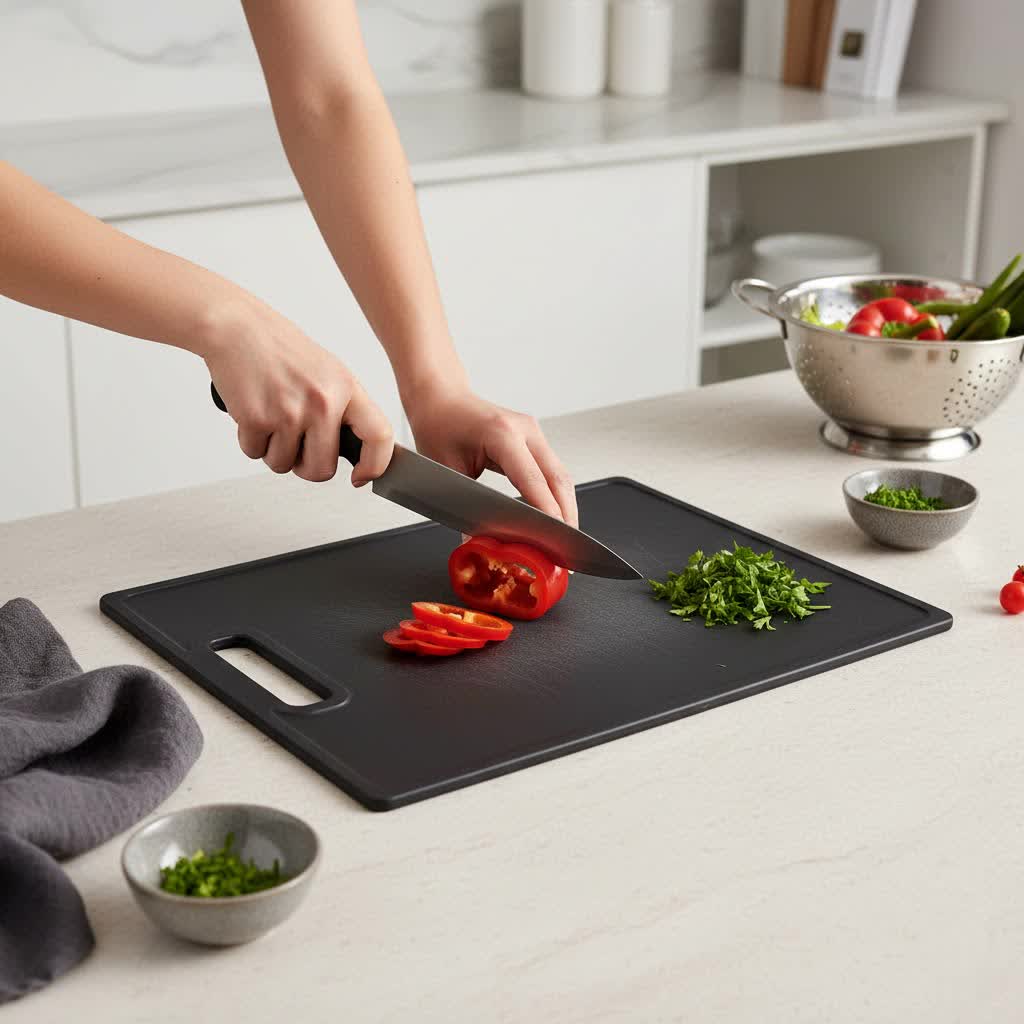
Plastic cutting boards offer a compelling suite of benefits that make them a staple in kitchens worldwide, often outperforming their counterparts in certain aspects. Primarily, their non-porous surface is a significant advantage, as it prevents the absorption of liquids, odors, and harmful bacteria, making them exceptionally hygienic. They are also remarkably easy to clean, with most varieties being dishwasher-safe, which simplifies sanitation and saves valuable time. Furthermore, plastic boards are typically lightweight, durable, and more affordable than many wood or bamboo alternatives, providing excellent value and portability for daily use. Many professional kitchens utilize color-coded plastic systems to prevent cross-contamination, a critical food safety measure.
Despite these numerous benefits, plastic cutting boards do come with certain drawbacks. Over time, knife blades can create scratches and grooves on their surface. These imperfections, if not properly maintained or resurfaced, can become breeding grounds for bacteria, potentially compromising food safety and requiring eventual replacement. There is also an ongoing discussion about the potential for microplastics to be released into food through repeated cutting. While PP and HDPE boards are generally BPA-free, their aesthetic appeal might not match the natural warmth and charm of a well-maintained wooden board for some users.
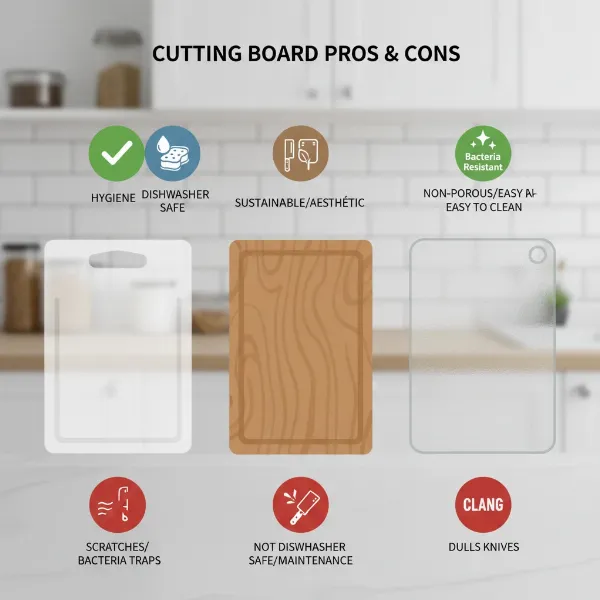 A side-by-side comparison of plastic, wood, and glass cutting boards highlighting their pros and cons for kitchen use, with icons representing hygiene, knife care, and durability.
Compared to other materials, plastic boards often stand out for their practicality. Wooden boards, while more forgiving on knife edges and aesthetically pleasing, are porous and demand more intensive care, including regular oiling and meticulous hand-washing. Bamboo boards, often marketed as eco-friendly, can be exceptionally hard and may dull knife blades faster. Glass cutting boards are notoriously hard on knives, quickly blunting edges, and pose a shatter risk, making them generally unsuitable for serious food preparation.
Understanding Common Plastic Cutting Board Materials
When navigating the world of plastic cutting boards, polypropylene (PP) and high-density polyethylene (HDPE) are the two materials you’ll encounter most frequently. Each possesses a unique set of properties that caters to different culinary needs and preferences.
Polypropylene (PP): The Balanced Performer
|
Our Picks for the Best Plastic cutting board in 2026
As an Amazon Associate I earn from qualifying purchases.
|
||
| Num | Product | Action |
|---|---|---|
| 1 | Farberware Large Cutting Board, Dishwasher- Safe Plastic Chopping Board for Kitchen with Easy Grip Handle, 11-inch by 14-inch, White |

|
| 2 | KitchenAid Classic Cutting Board with Perimeter Trench and Non Slip Edges, Dishwasher Safe, 11 inch x 14 inch, White and Gray |
|
| 3 | Commercial Grade Plastic Cutting Board 18 x 12 x 1/2 Thick High Density White Poly, NSF Certified and Dishwasher Safe for Food Service |
|
| 4 | FARBERWARE Extra-Large Plastic Cutting Board, 15x20 Inch Dishwasher-Safe Chopping Board with Juice Groove, Non-Slip Surface, Durable, White |
|
| 5 | OXO Good Grips Plastic Utility Cutting Board |
|
| 6 | GORILLA GRIP BPA-Free Reversible Kitchen Cutting Board Set of 3, US Designed, Nonporous, Juice Grooves Catch Liquid, Slip Resistant Border, Dishwasher Safe, Durable Large Food Chopping Boards, Black |
|
| 7 | Goodluck 5 Pieces Flexible Cutting Boards, BPA Free Plastic Cutting Boards for Kitchen, Non Slip Cutting Mat for Meat and Vegetables |
|
| 8 | FARBERWARE Reversible Plastic Cutting Board, 8x10 Inch, White, Dishwasher Safe, Non-Porous and Durable for Chopping, Slicing, Prep, Easy to Store |
|
| 9 | Extra Large Cutting Boards, Plastic Cutting Boards for Kitchen (Set of 3) Cutting Board Set Dishwasher Chopping Board with Juice Grooves Easy-Grip Handles, Dark Grey, Empune |
|
| 10 | THETCHRY Plastic Cutting Board Set of 3-Cutting Boards for Kitchen BPA Free, Large-Small Chopping Boards Non-Slip for Cooking Camping Dishwasher Safe, Reversible, with Grip Handle, 15"×10"×0.25" Green |
|
Polypropylene is a versatile thermoplastic polymer renowned for its excellent balance of properties. PP cutting boards are typically lightweight and offer a slightly stiffer feel compared to some polyethylene varieties. They boast remarkable chemical resistance, holding up exceptionally well against acids, alkalis, solvents, and common kitchen detergents and sanitizers. One of PP’s standout features is its higher heat resistance, making it less prone to warping under high temperatures, with some boards capable of withstanding up to 248°F (120°C) or even 320°F (160°C). This characteristic makes them suitable for hot water sanitization and generally safe for quick washes in a dishwasher.
PP boards are often described as having a “Goldilocks” density, striking an ideal balance: firm enough to provide a stable cutting surface, yet with enough “give” to be forgiving on knife edges. This helps prevent premature dulling of blades and resists deep scarring, contributing to the board’s longevity and hygienic properties. Being non-porous, PP effectively resists stains and odors, actively preventing microbial growth. These qualities make polypropylene an excellent choice for general daily use, tasks requiring higher heat tolerance, and even baking applications due to its smooth surface.
High-Density Polyethylene (HDPE): The Heavy-Duty Workhorse
High-density polyethylene is a robust thermoplastic polymer prized for its strength, rigidity, and exceptional durability. HDPE cutting boards are denser and significantly more resilient than many other plastics, engineered to withstand the rigors of heavy chopping and impact without chipping, cracking, peeling, or warping. Their impressive impact resistance allows them to handle demanding kitchen tasks with ease, making them a favorite in commercial settings.
HDPE boards generally exhibit good heat resistance, typically up to 176°F (80°C), and are reliably dishwasher safe. Their non-porous nature and excellent resistance to moisture absorption ensure a highly hygienic surface that effectively prevents bacterial growth. While designed to resist deep scratches and maintain a smooth surface, some sources suggest that the increased hardness of HDPE might be tougher on knife edges over time compared to the slightly softer PP. Notably, black HDPE variations are popular for their ability to hide knife scars and stains, maintaining a cleaner appearance in high-volume environments. HDPE is the material of choice for heavy chopping, professional kitchens, and color-coded systems essential for minimizing cross-contamination, particularly with raw meats and poultry.
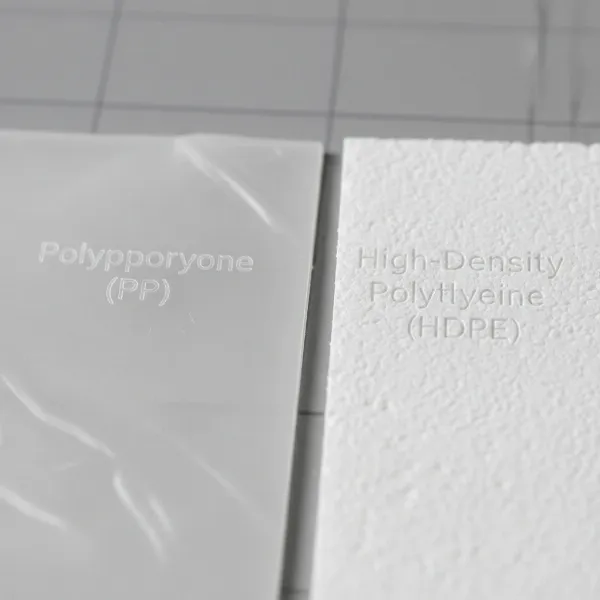 Close-up of polypropylene (PP) and high-density polyethylene (HDPE) material swatches, showing their subtle texture differences for cutting boards.
Detailed Comparison: Polypropylene vs. High-Density Polyethylene
Understanding the specific differences between PP and HDPE is key to selecting the ideal cutting board for your kitchen. While both are excellent plastic options, their unique properties cater to distinct needs.
| Feature | Polypropylene (PP) | High-Density Polyethylene (HDPE) |
|---|---|---|
| Density/Hardness | Lighter, slightly stiffer, offers a balanced rigidity (Rockwell R85–R110). | Denser, more rigid, and stronger (Superior impact resistance, Shore D 55-67, Rockwell R110+). |
| Durability | Good resistance to general wear and gouging; less prone to warping under heat. | Excellent durability; highly resistant to chipping, cracking, peeling, and heavy impact; ideal for heavy chopping. |
| Heat Resistance | Higher (tolerates up to 248°F/120°C, some up to 320°F/160°C); less likely to warp in hot dishwashers, though prolonged exposure should be avoided. | Good (tolerates up to 176°F/80°C); reliably dishwasher-safe without warping concerns. |
| Chemical Resist. | Excellent resistance to a wide range of acids, alkalis, solvents, detergents, and sanitizers. | Good resistance to common kitchen chemicals. |
| Knife-Friendliness | Often considered more forgiving on knife edges due to a slight “give”; resists deep scarring effectively, helping preserve blade sharpness. | Can be tougher on knife edges; designed to resist deep scratches, but its superior hardness might lead to faster knife dulling for some users. |
| Hygiene | Non-porous, highly resistant to moisture, odors, and bacteria. Can be enhanced with antimicrobial additives. | Non-porous, excellent moisture resistance, highly hygienic for preventing cross-contamination. |
| Weight | Typically lighter, making it easier to handle and move. | Generally heavier due to its higher density. |
| Typical Use | Everyday cooking, lighter prep, baking, general food handling, tasks where heat sterilization or knife edge preservation is a priority. | Heavy-duty chopping, commercial kitchens, tasks requiring extreme durability and impact resistance, color-coded systems for raw ingredients. |
| BPA Status | Generally BPA-free. | Generally BPA-free. |
| Recyclability | Recyclable (often designated with Recycling Code 5). | Recyclable (often designated with Recycling Code 2). |
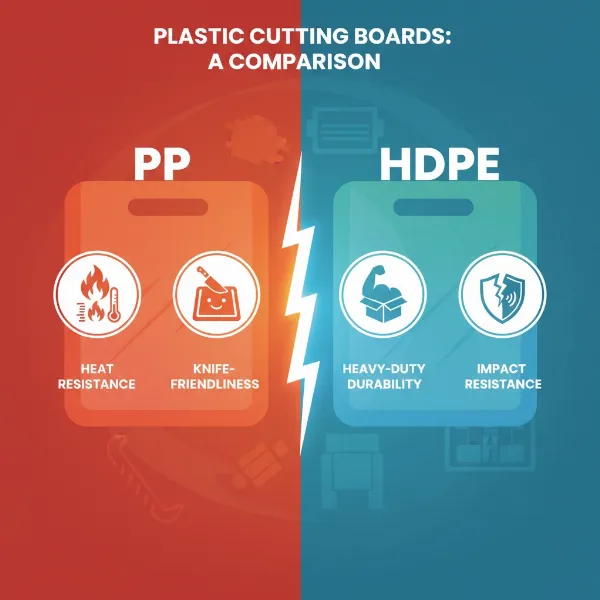 A visual infographic comparing polypropylene (PP) and high-density polyethylene (HDPE) cutting boards across key kitchen performance metrics.
Factors to Consider When Buying a Plastic Cutting Board
Choosing the right plastic cutting board involves weighing several practical considerations to ensure it perfectly aligns with your cooking style and kitchen environment.
- Primary Use: For light, everyday food preparation, baking, or tasks where knife edge preservation is paramount, a polypropylene (PP) board is an excellent choice. If your kitchen routinely handles heavy chopping, requires extreme durability, or operates in a commercial setting, high-density polyethylene (HDPE) will likely be more suitable.
- Knife Collection: If you own a collection of high-quality knives and prioritize their longevity, the slightly more forgiving surface of a PP board might be preferable. While HDPE is highly durable, its hardness can sometimes be a bit tougher on knife edges.
- Cleaning Habits: Both materials are generally easy to clean. If frequent, high-temperature dishwasher cycles are a non-negotiable part of your routine, an HDPE board will consistently perform without concerns of warping. PP boards also handle dishwashers well, but it’s wise to avoid prolonged exposure to very high heat to maintain their shape.
- Kitchen Environment: For home kitchens, personal preference often dictates the choice. However, in professional and commercial kitchens, NSF (National Sanitation Foundation) certification is frequently a requirement, and both PP and HDPE boards are commonly available with this credential. Color-coded systems, often using HDPE boards, are standard practice in these environments to prevent cross-contamination.
- Size and Thickness: Consider your available counter space and the volume of food you typically prepare. Thicker boards generally offer greater stability and durability, regardless of material.
- Budget: Both PP and HDPE boards are usually affordable, but pricing can vary based on size, thickness, and brand. Investing a little more in a quality board can often translate to a longer lifespan and better performance.
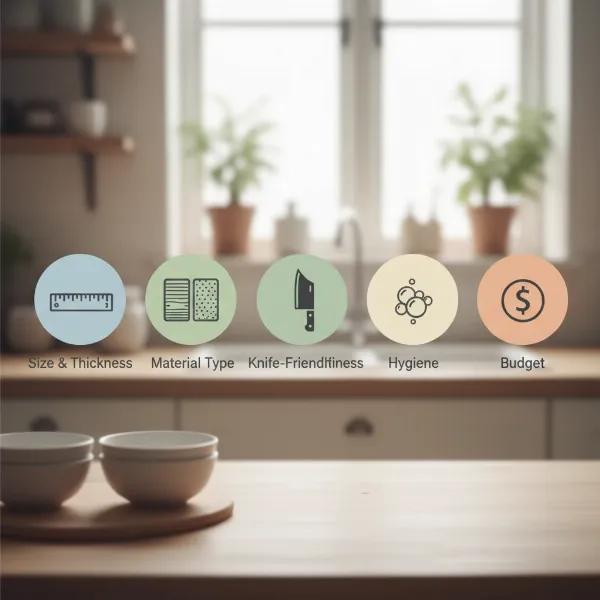 Icons representing key factors for choosing a plastic cutting board: size, thickness, material, knife-friendliness, and hygiene.
Top Picks: Recommended Plastic Cutting Boards
When selecting a plastic cutting board, aiming for quality and functionality tailored to your needs is essential. While specific brands can vary, here’s what to look for based on material type:
For the Versatile Home Chef & Knife Enthusiast (Polypropylene – PP):
- Features to seek: Look for PP boards that strike a balance between rigidity and flexibility. Non-slip feet or integrated grips are highly desirable for stability. Many premium PP boards now incorporate antimicrobial technologies directly into the material for enhanced hygiene, offering an extra layer of protection against bacteria. Boards with a slightly textured, micro-surface can also provide a better grip for food and reduce knife slippage.
- Why it’s a top pick: These boards cater to a wide range of culinary tasks, from delicate slicing to general chopping, without putting excessive strain on your knife edges. Their superior heat resistance makes them a practical choice for kitchens with hot-water dishwashers.
For Heavy-Duty Use & Commercial Kitchens (High-Density Polyethylene – HDPE):
- Features to seek: Opt for thicker, more substantial HDPE boards, often 0.5 inches (1.27 cm) or more, to handle robust cutting tasks without showing premature wear. NSF-certified boards are crucial for commercial settings, ensuring they meet strict public health standards. Color-coded sets (e.g., red for raw meat, blue for fish, green for vegetables) are invaluable for preventing cross-contamination in professional environments and busy home kitchens alike. Boards with juice grooves are also excellent for containing liquids during meat preparation.
- Why it’s a top pick: Their unmatched durability and resistance to heavy impact make them ideal for demanding kitchen work, providing a long-lasting, reliable surface. Black HDPE is a popular choice for hiding inevitable knife marks.
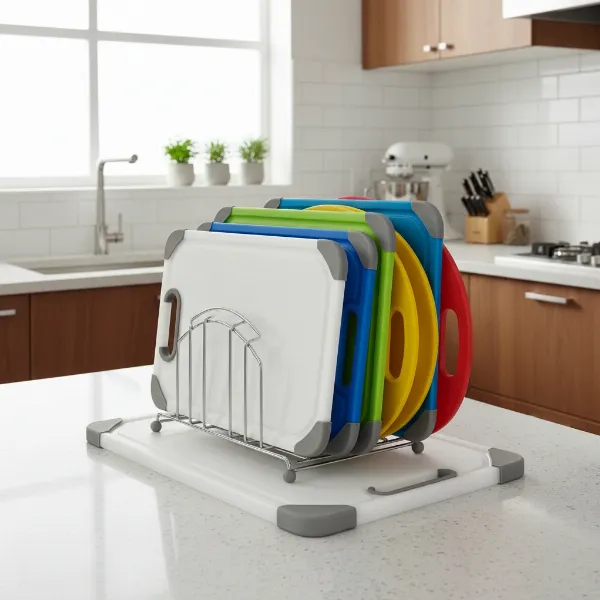 A collection of diverse plastic cutting boards, some showing color-coding, different thicknesses, and non-slip features, representing top choices.
Proper Care and Maintenance for Plastic Cutting Boards
To maximize the lifespan and ensure the continued hygiene of your plastic cutting board, proper care and maintenance are essential.
- Immediate Cleaning: Always wash your cutting board with hot, soapy water immediately after each use. This prevents food particles from drying onto the surface and significantly reduces the risk of bacterial growth.
- Dishwashing: Most PP and HDPE boards are dishwasher safe. For polypropylene boards, while they can withstand high temperatures, consider using a quick or lower-temperature cycle if available, as prolonged exposure to very high heat can sometimes lead to warping over time. HDPE boards are generally more robust in dishwashers.
- Sanitization: Beyond daily washing, periodic sanitization is crucial. You can use a diluted bleach solution (e.g., one tablespoon of liquid bleach per gallon of water) or a hydrogen peroxide solution. Apply the solution, let it sit for a few minutes, then rinse thoroughly with clean water.
- Addressing Scratches: Over time, knife blades will inevitably create grooves. These deep scratches can harbor bacteria and become difficult to clean effectively. For thicker HDPE boards, a cutting board scraper can be used to resurface the board, shaving off the top layer of damaged plastic to reveal a fresh, clean cutting surface. If boards, whether PP or HDPE, develop deep, irreversible grooves that cannot be cleaned or resurfaced, it’s time to replace them to maintain food safety.
- Storage: After washing and sanitizing, ensure your cutting board is completely dry before storing it. Store boards vertically in a dry, well-ventilated area to promote air circulation and prevent moisture buildup, which can encourage mold or mildew.
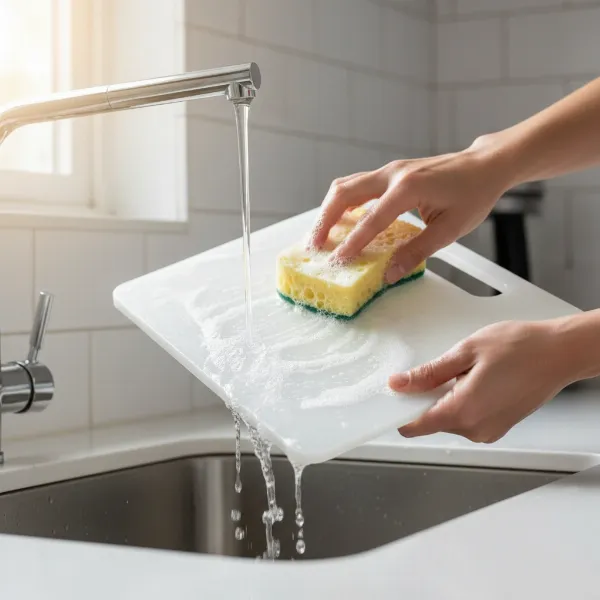 Hands washing a plastic cutting board under running water with soap, illustrating proper hygiene and maintenance practices.
Conclusion
The choice between a polypropylene (PP) and high-density polyethylene (HDPE) cutting board ultimately comes down to a nuanced understanding of their individual strengths and how they align with your specific kitchen needs. Polypropylene boards shine with their superior heat resistance and a more forgiving surface that helps preserve your knife edges, making them a versatile companion for everyday cooking and delicate tasks. High-density polyethylene boards, conversely, stand out as the champions of durability and rigidity, excelling in heavy-duty chopping and demanding commercial environments.
By carefully considering factors such as your primary use, the type of knives you employ, your cleaning preferences, and your budget, you can confidently select the plastic cutting board that will serve you best. Both materials offer exceptional hygiene and ease of maintenance, making either a significant upgrade for a safer and more efficient food preparation experience. What will be the foundation for your next culinary creation?
Frequently Asked Questions
Is one plastic type truly more hygienic than the other?
Both polypropylene (PP) and high-density polyethylene (HDPE) are excellent choices for kitchen hygiene due to their non-porous surfaces, which resist the absorption of liquids, odors, and bacteria better than porous materials like wood. The key to maintaining hygiene for either type is thorough and regular cleaning, sanitization, and timely replacement when deep knife grooves accumulate.
Do plastic cutting boards release microplastics into food?
Cutting on any plastic surface can potentially generate microscopic plastic particles over time, technically classified as microplastics. While the full health implications are still a subject of ongoing research, opting for softer, more knife-friendly materials like PP might minimize this effect. Regularly inspecting and replacing deeply scored boards can also help reduce exposure.
How often should I replace my plastic cutting board?
For home use, it’s advisable to replace your plastic cutting board when it develops deep, irreparable grooves, becomes discolored, or is difficult to clean thoroughly. In commercial settings, stricter food safety protocols often recommend replacing boards every 6 to 12 months, or immediately if significant damage occurs, to prevent bacterial accumulation.
Can I use a cutting board scraper on both PP and HDPE boards?
Cutting board scrapers are primarily designed for resurfacing thicker high-density polyethylene (HDPE) boards. They effectively remove the top layer of scratches, restoring a smoother, more hygienic surface. While you could theoretically use one on PP, its material properties and often thinner profile might make it less effective or necessary, so proceed with caution to avoid damage.
Are all plastic cutting boards BPA-free?
Modern polypropylene (PP) and high-density polyethylene (HDPE) cutting boards manufactured for food contact are generally BPA-free. Both materials are widely recognized as food-safe. However, to ensure peace of mind, always check product specifications for “BPA-free” labeling and look for certifications such as FDA/USDA compliance or NSF (National Sanitation Foundation) approval.