In the demanding environment of a commercial kitchen, every tool must perform reliably, and the cutting board is no exception. It’s the unsung hero of food preparation, silently enduring countless cuts, chops, and slices. Choosing the right cutting board isn’t just about utility; it’s about food safety, knife longevity, and operational efficiency. Among the myriad options available, Winco commercial plastic cutting boards have carved out a significant niche, offering a compelling blend of durability, hygiene, and affordability that resonates with chefs and kitchen managers alike. This review will delve into the attributes that make Winco a go-to choice, exploring its construction, performance, and overall value in a professional setting.
Choosing the Right Plastic Cutting Board: A Comprehensive Guide
Understanding the landscape of cutting board materials is crucial for making an informed decision. While plastic boards offer numerous benefits, it’s essential to weigh their pros and cons against other popular materials.
Advantages and Disadvantages of Plastic Cutting Boards
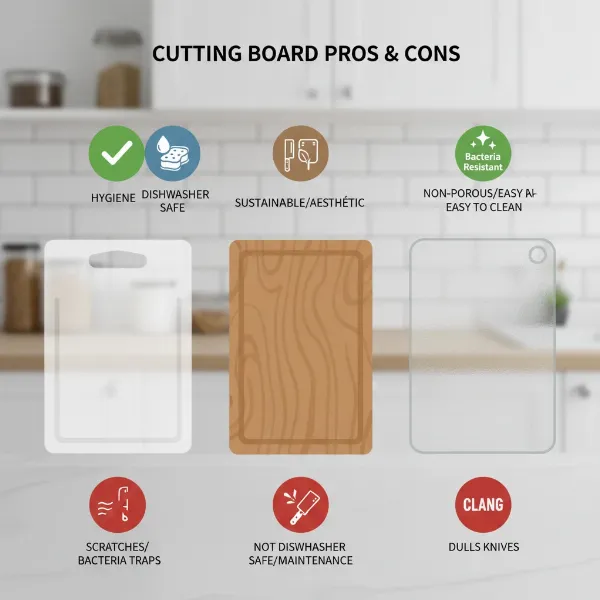
Plastic cutting boards, particularly those designed for commercial use, boast several key advantages. They are often highly hygienic, being non-porous, dishwasher safe, and typically available in color-coded sets to prevent cross-contamination. Their affordability and lightweight nature also make them practical for busy kitchens that require frequent board changes and replacements. Unlike their wooden counterparts, they generally require less maintenance, making them a low-hassle option.
However, plastic cutting boards are not without their drawbacks. They are prone to developing knife marks and scratches over time, which can eventually harbor bacteria if not meticulously cleaned and sanitized. A growing concern is the potential for microplastics to shed into food during chopping. Furthermore, plastic can be less forgiving on knife edges compared to softer materials like wood, potentially leading to faster dulling. Aesthetically, they often lack the natural appeal of wood and can sometimes be slippery, especially when wet, although many commercial designs incorporate non-slip features.
Comparison with Other Cutting Board Materials:
- Wood: Revered for its natural beauty and knife-friendly surface, wood is gentle on blades and can even possess natural antimicrobial properties. However, wood cutting boards demand high maintenance, requiring regular oiling, waxing, and occasional sanding. They are not dishwasher safe and can absorb liquids if not properly sealed, posing a hygiene risk.
- Glass/Ceramic: These materials are exceptionally hygienic due to their non-porous surfaces, making them easy to clean and resistant to bacteria. Yet, their hardness is detrimental to knives, causing rapid dulling and potential damage to blades. They are also prone to shattering and are notoriously slippery, making them impractical and unsafe for high-volume prep work.
- Bamboo: A sustainable and often antimicrobial choice, bamboo is harder than many natural woods and resists deep cuts. While durable, its hardness can still be tougher on knives than softer woods. Bamboo also tends to dry faster than other materials.
- Composite: Made from a combination of resin and wood fibers, composite boards are durable, heat-resistant, and often dishwasher safe. They offer a middle ground between plastic and wood in terms of durability and knife-friendliness, though they are typically more expensive than standard plastic options.
|
Our Picks for the Best Plastic cutting board in 2026
As an Amazon Associate I earn from qualifying purchases.
|
||
| Num | Product | Action |
|---|---|---|
| 1 | GORILLA GRIP BPA-Free Reversible Kitchen Cutting Board Set of 3, US Designed, Nonporous, Juice Grooves Catch Liquid, Slip Resistant Border, Dishwasher Safe, Durable Large Food Chopping Boards, Black |

|
| 2 | FARBERWARE Extra-Large Plastic Cutting Board, 15x20 Inch Dishwasher-Safe Chopping Board with Juice Groove, Non-Slip Surface, Durable, White |
|
| 3 | OXO Good Grips Plastic Utility Cutting Board |
|
| 4 | KitchenAid Classic Cutting Board with Perimeter Trench and Non Slip Edges, Dishwasher Safe, 11 inch x 14 inch, White and Gray |
|
| 5 | Farberware Large Cutting Board, Dishwasher- Safe Plastic Chopping Board for Kitchen with Easy Grip Handle, 11-inch by 14-inch, White |
|
| 6 | Extra Large Cutting Boards, Plastic Cutting Boards for Kitchen (Set of 3) Cutting Board Set Dishwasher Chopping Board with Juice Grooves Easy-Grip Handles, Dark Grey, Empune |
|
| 7 | Goodluck 5 Pieces Flexible Cutting Boards, BPA Free Plastic Cutting Boards for Kitchen, Non Slip Cutting Mat for Meat and Vegetables |
|
| 8 | THETCHRY Plastic Cutting Board Set of 3-Cutting Boards for Kitchen BPA Free, Large-Small Chopping Boards Non-Slip for Cooking Camping Dishwasher Safe, Reversible, with Grip Handle, 15"×10"×0.25" Green |
|
| 9 | FARBERWARE Reversible Plastic Cutting Board, 8x10 Inch, White, Dishwasher Safe, Non-Porous and Durable for Chopping, Slicing, Prep, Easy to Store |
|
| 10 | Commercial Grade Plastic Cutting Board 18 x 12 x 1/2 Thick High Density White Poly, NSF Certified and Dishwasher Safe for Food Service |
|
Types of Plastic Cutting Boards
The primary types of plastic used for cutting boards are Polyethylene (PE), High-Density Polyethylene (HDPE), and Polypropylene (PP).
- PE (Polyethylene): A versatile and common plastic, often found in general-purpose cutting boards.
- HDPE (High-Density Polyethylene): Widely used for commercial-grade cutting boards due to its excellent durability, stiffness, and resistance to impacts and chemicals. Many NSF-certified boards are made from HDPE.
- PP (Polypropylene): Another robust plastic material, polypropylene offers good heat resistance and durability, making it suitable for demanding kitchen environments.
Winco commonly utilizes high-quality polypropylene or HDPE in its commercial cutting boards, ensuring they meet the rigorous demands of professional kitchens and often carry NSF certification for food service use.
Comparison Table: Winco Commercial Plastic Cutting Board vs. Other Common Materials
| Feature | Winco Plastic (PP/HDPE) | Wood | Glass/Ceramic | Bamboo |
|---|---|---|---|---|
| Hygiene | Excellent (NSF, non-porous, dishwasher safe, color-coded) | Good (if maintained, can absorb liquids) | Excellent (non-porous, resistant to bacteria) | Good (naturally antimicrobial, can be porous) |
| Knife-Friendly | Moderate (can dull knives, shows marks) | Excellent (softer surface, can be self-healing) | Poor (dulls/damages knives quickly) | Good (hard, but can be tough on knives) |
| Durability | High (sturdy, long-lasting, resistant to warping) | High (with proper care, can crack/split) | Low (prone to shattering, chipping) | High (hard, resistant to water/stains) |
| Maintenance | Low (dishwasher safe, no oiling required) | High (oil, wax, sand) | Low (easy to wipe clean) | Moderate (oil for hygiene, can be hard to clean) |
| Affordability | High (excellent value for money) | Moderate to High | Low to Moderate | Moderate |
| Slippage | Can be slippery when wet (some models include rubber feet) | Moderate (can slide on smooth surfaces) | High (very slippery, hazardous) | Moderate |
| Microplastics | Potential concern (all plastics can shed particles) | None | None | None |
| Aesthetics | Functional, commercial appearance | Natural, warm, elegant | Sleek, modern (but not ideal for cutting) | Natural, distinct grain |
| Cross-Contamination | Excellent (color-coding system) | Good (if dedicated boards are used) | Good (if dedicated boards are used) | Good (if dedicated boards are used) |
Winco Commercial Plastic Cutting Boards: An In-Depth Look
Winco’s offerings stand out in the commercial kitchen landscape due to their robust construction and practical design. Made from high-quality polypropylene or HDPE, these boards are engineered to withstand the rigors of heavy-duty food preparation. Their NSF certification attests to their adherence to strict public health and safety standards, making them a reliable choice for any food service establishment.
The durability of Winco boards is consistently praised, with many users noting their sturdy and thick construction that provides stability even during intense use. While all plastic boards will eventually show knife marks, Winco boards are designed to resist excessive cutting, with some reports indicating only negligible dulling of knives and minimal prominent scratch marks even after repeated use. Their inherent flexibility further contributes to their long-lasting nature.
Hygiene and food safety are paramount in commercial kitchens, and Winco boards excel here. Their non-absorbent surface means they don’t soak up liquids, making them ideal for handling meats, poultry, and other items that might stain or harbor bacteria on more porous surfaces. They are unequivocally dishwasher safe, allowing for high-temperature sanitization crucial for preventing foodborne illnesses. The availability of Winco boards in a wide array of vibrant colors – including white, red, blue, green, yellow, beige, and black – facilitates systematic color-coding to prevent cross-contamination, a practice essential for adhering to HACCP guidelines.
From a user experience perspective, Winco boards offer significant advantages. They are budget-friendly, making them an accessible option for outfitting entire kitchens or for frequent replacement. Their generally thick, grippy, and spacious nature provides ample working room for various tasks. However, a common critique is that some Winco models can become quite slippery when wet, potentially requiring users to place a damp towel underneath for added stability. While generally good for knife edge retention, one reviewer did note that citrus could slide around slightly when cut on certain models.
Winco provides a diverse range of sizes and thicknesses, ensuring that there’s a board suitable for every kitchen need, from small prep tasks to large-scale carving. This versatility, combined with their robust nature and adherence to safety standards, solidifies their position as a top contender in commercial kitchen supplies.
Buying Guide: Key Factors for Commercial Plastic Cutting Boards
When selecting a plastic cutting board for a commercial setting, several factors should guide your decision to ensure optimal performance, safety, and longevity.
- Material: Opt for cutting boards made from high-density polyethylene (HDPE) or polypropylene (PP). These materials are known for their durability, resistance to odors and stains, and overall food safety.
- NSF Certification: This is non-negotiable for commercial use. NSF International certification ensures that the product meets stringent public health and safety standards, particularly concerning food contact materials.
- Thickness and Size: Consider the volume and type of food preparation. Thicker boards (e.g., 1/2-inch or 3/4-inch) offer greater stability and durability, reducing warping and deep cuts. Choose sizes that fit your workstations and allow sufficient space for different tasks.
- Non-slip Features: Look for boards with integrated rubber feet or a textured surface to minimize slipping, especially important in fast-paced environments where liquids are common.
- Color-Coding: Implement a color-coded system (e.g., red for raw meat, green for vegetables, white for dairy) to effectively prevent cross-contamination. Ensure you purchase boards in the necessary colors.
- Ease of Cleaning: Confirm the boards are dishwasher safe and can withstand high-temperature sanitization cycles. This simplifies cleaning protocols and enhances hygiene.
Top Picks: Winco Models and Why They Stand Out
Winco offers several models that consistently receive positive feedback for commercial use, reflecting their commitment to quality and value.
The Winco CBWT-1218 Cutting Board is frequently highlighted as an excellent budget-friendly option. It’s praised for being thick, grippy, and spacious, demonstrating good knife edge retention and minimal prominent scratch marks in tests. Its robust construction ensures it holds up well in busy kitchen environments, making it a reliable choice for everyday food preparation.
For those requiring larger dimensions, models like the Winco CBI-1824 Grooved Cutting Board are popular. These large, NSF-certified white plastic boards are ideal for heavy-duty tasks like carving meats or preparing large quantities of vegetables. The grooved design helps collect juices, maintaining a cleaner workstation. The availability of various sizes and thicknesses across the Winco line ensures that specific operational needs, from compact prep areas to expansive butcher stations, can be met with a reliable and economical solution.
Winco’s focus on essential commercial features—durability, sanitization, and cost-effectiveness—makes their cutting boards a smart investment for any professional kitchen.
Vệ Sinh và Bảo Quản Thớt Nhựa Đúng Cách
Maintaining your Winco plastic cutting boards properly is key to extending their lifespan and ensuring ongoing food safety. Immediate cleaning after each use is paramount. Wash the board thoroughly with hot, soapy water, scrubbing away all food residues. For commercial settings, the fact that Winco boards are dishwasher safe is a significant advantage, allowing for effective sanitization in high-temperature cycles.
For deeper cleaning and disinfection, particularly after handling raw meats, a mild bleach solution (one tablespoon of bleach per gallon of water) can be used for soaking, followed by a thorough rinse. Regular disinfection is crucial to eliminate any lingering bacteria, especially in the grooves that inevitably form over time.
Inspect your boards regularly for deep cuts or gouges. Once grooves become too deep and difficult to clean effectively, the board should be replaced to prevent bacterial harborage. Store clean and dry plastic cutting boards in a vertical rack or a dry, well-ventilated area to prevent moisture accumulation and warping, ensuring they are ready for the next busy shift.
“In a commercial kitchen, the cutting board is the foundation of food safety. Winco’s boards offer a practical, hygienic solution that empowers our chefs to maintain high standards without breaking the bank.” – Chef Elena Rodriguez, Head of Operations for a national restaurant chain.
Conclusion
The Winco Commercial Plastic Cutting Board offers an undeniable proposition for professional kitchens seeking a balance of durability, hygiene, and exceptional value. With their NSF certification, robust construction, ease of cleaning, and versatile color-coding options, Winco boards are engineered to meet the stringent demands of high-volume food preparation. While considerations like potential slippage when wet and the general concern of microplastics in all plastic boards exist, their significant advantages in terms of sanitation and affordability position them as a leading choice. Investing in quality Winco cutting boards is a strategic move towards a safer, more efficient, and ultimately more productive kitchen environment.
What factors do you prioritize most in your commercial kitchen’s cutting boards?
Frequently Asked Questions
Are Winco plastic cutting boards dishwasher safe?
Yes, Winco commercial plastic cutting boards are designed to be dishwasher safe. Their material composition allows them to withstand high-temperature washing and sanitizing cycles, which is essential for maintaining hygiene standards in busy commercial kitchens.
What material are Winco cutting boards made of?
Winco cutting boards are typically made from high-quality polypropylene (PP) or high-density polyethylene (HDPE). These materials are chosen for their durability, non-porous nature, and resistance to impacts and chemicals, making them suitable for demanding commercial use.
Do Winco cutting boards dull knives quickly?
Winco cutting boards are generally considered moderate on knife edges. While any plastic surface will eventually contribute to knife dulling more than soft wood, tests suggest Winco boards perform reasonably well, with some models showing only a negligible impact on blade sharpness and good resistance to prominent scratch marks.
How do Winco cutting boards prevent cross-contamination?
Winco cutting boards prevent cross-contamination primarily through their availability in a wide range of colors. This allows commercial kitchens to implement a strict color-coding system, assigning specific board colors to different food types (e.g., raw meat, vegetables) to ensure food safety.
When should I replace my Winco plastic cutting board?
You should replace your Winco plastic cutting board when it develops deep grooves, cuts, or excessive scarring that cannot be thoroughly cleaned. These imperfections can harbor bacteria, compromising food safety. Regular inspection and timely replacement are crucial for maintaining a hygienic kitchen.