As an Admin at Reviewfren.com with over a decade of hands-on experience evaluating various plastic cutting boards, I understand the critical role the right board plays in meat preparation. Butchering meat, whether for a professional kitchen or a passionate home chef, demands a surface that can withstand rigorous use while ensuring uncompromising hygiene and safety. This guide delves into the essential characteristics of heavy-duty plastic cutting boards, helping you select a board that will be a reliable ally for years to come.
Why Plastic Excels for Butchering Meat
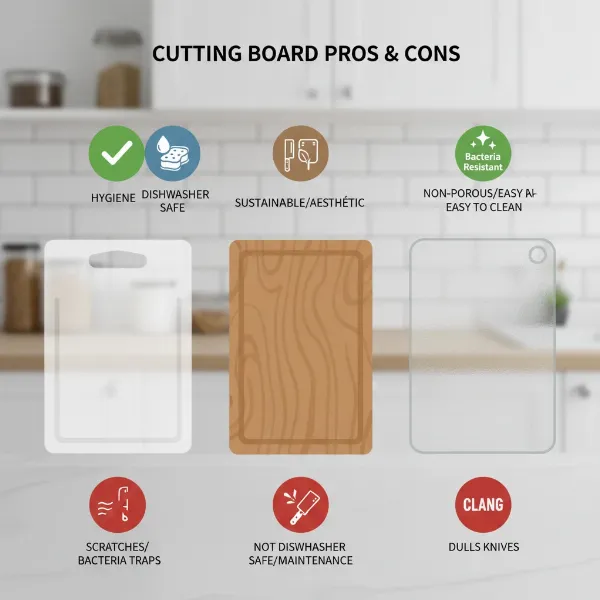
When it comes to breaking down large cuts of meat, the choice of cutting board material is paramount. While wood offers a classic aesthetic and some antimicrobial properties, plastic, particularly heavy-duty variants, often surpasses it in crucial areas for butchering. The non-porous nature of plastic prevents the absorption of blood, juices, and odors, significantly reducing the risk of bacterial cross-contamination – a paramount concern when handling raw meat. Unlike wood, which can harbor bacteria in its grain and cracks, plastic surfaces are easy to sanitize thoroughly, often being dishwasher-safe for complete disinfection. Furthermore, plastic boards are less prone to warping, cracking, or splintering, offering a more stable and long-lasting work surface under the intense pressure of butchering.
However, it’s important to acknowledge some common critiques of plastic boards. They can be perceived as less aesthetically pleasing than a rich wooden block, and some materials can potentially dull knives faster or show unsightly knife marks. For heavy-duty applications, these drawbacks are largely mitigated. High-quality, thick plastic boards, especially those made from specific polyethylenes, are engineered to be resilient yet gentle enough on knife edges to extend their sharpness. While knife marks will occur over time, the non-porous nature ensures hygiene is maintained, and many professional-grade boards can even be resurfaced.
Decoding Plastic Materials: HDPE, PP, and More
Understanding the different types of plastic is crucial for selecting the best heavy-duty cutting board for butchering. Not all plastics are created equal when it comes to durability, hygiene, and knife-friendliness.
High-Density Polyethylene (HDPE) stands as the undisputed industry standard for professional food preparation, including heavy-duty butchering. Its high molecular density provides exceptional toughness, resilience, and resistance to chipping, cracking, and warping. HDPE is inherently non-porous, preventing the absorption of liquids, stains, and odors, making it a highly hygienic choice. Boards made from HDPE offer a good balance: they are durable enough to withstand heavy chopping without quickly dulling knife blades, especially when compared to harder materials like glass or ceramic. Many HDPE boards are also NSF (National Sanitation Foundation) certified, a hallmark of food safety and compliance for commercial use.
Polypropylene (PP) boards are generally lighter and offer good resistance to acids, making them suitable for some light prep tasks. However, for heavy-duty butchering, PP is typically less robust than HDPE. It can be more prone to warping under high temperatures, such as those in commercial dishwashers, and may not withstand the repeated impact of cleaving and heavy chopping as effectively.
Low-Density Polyethylene (LDPE) is a softer material that is very forgiving on knives, extending their sharpness. However, its softer nature means it scores much more easily, creating deeper crevices that can potentially harbor bacteria if not meticulously cleaned. For the intense demands of butchering raw meat, the increased risk of bacterial growth in deep scores makes LDPE less ideal.
Ultra High Molecular Weight Polyethylene (UHMW) is an extremely hard and durable plastic. While it offers superior resistance to scoring, its hardness can lead to accelerated knife dulling. For a butcher, balancing board durability with knife longevity is key, and UHMW often leans too far on the side of hardness for routine, heavy butchering.
Given these characteristics, HDPE is the superior choice for heavy-duty plastic cutting boards intended for butchering meat. Its blend of durability, hygiene, and reasonable knife-friendliness makes it the most reliable and safe option for such demanding tasks.
The Crucial Role of Thickness and Size
For heavy-duty butchering, the dimensions of your plastic cutting board are as critical as its material. The right thickness ensures stability and longevity, while an adequate size provides a safe and efficient workspace for handling large cuts of meat.
Thickness: A thin cutting board will flex, warp, and quickly degrade under the force of a butcher’s knife or cleaver. For general commercial kitchen use, a 1/2-inch thick HDPE board offers good durability and is a popular choice. However, for dedicated butchering, you should aim for 3/4-inch to 1-inch thick plastic boards. This substantial thickness provides:
- Superior Stability: Prevents the board from sliding or shifting during aggressive chopping and cleaving.
- Resistance to Warping: Thicker boards are significantly more resistant to warping, even with exposure to temperature fluctuations from hot water cleaning.
- Extended Lifespan: The extra material allows the board to withstand deeper cuts and heavy impact over time, making it a more economical choice in the long run as it won’t need frequent replacement.
Opting for a board in this thickness range minimizes deflection and provides a solid, immovable surface essential for safe and precise butchering.
Size: Butchering large cuts of meat requires ample space to contain the meat, bones, and juices. A board that is too small will force you to constantly rearrange ingredients, risking spills and cross-contamination on your countertops. Look for boards that offer generous dimensions to accommodate whole briskets, pork shoulders, or even a whole poultry. A larger surface area also provides more room for maneuvering your knife, enhancing safety and efficiency during the butchering process. Consider boards that are at least 18×24 inches, or even larger, depending on the typical size of the cuts you handle.
Essential Features for Butchering Boards
Beyond material and thickness, several key features elevate a plastic cutting board from good to essential for heavy-duty meat butchering. These elements are designed to enhance safety, hygiene, and overall performance.
First and foremost, NSF Certification is a non-negotiable standard for any cutting board used in a professional or serious home butchering environment. This certification signifies that the board has met rigorous public health and safety standards for design, materials, and construction, ensuring it is easy to clean and sanitize. An NSF-certified board provides assurance that it will not harbor bacteria and is safe for direct food contact.
A non-porous surface is critical. Unlike wood, which has natural pores and grains that can absorb liquids and bacteria, high-quality plastic boards are designed to resist this. This feature prevents blood, fats, and odors from penetrating the surface, making cleanup more effective and reducing the risk of cross-contamination.
HACCP color-coding is another vital feature, especially in commercial settings. Following the Hazard Analysis and Critical Control Points (HACCP) guidelines, a red cutting board is universally designated for raw red meat. This system prevents cross-contamination by ensuring specific boards are used only for designated food groups. While a white board is also acceptable for general food prep and meat, a dedicated red board offers an extra layer of safety.
A textured or pebbled surface can be beneficial. While smooth surfaces are easy to clean, a subtly textured finish helps to grip the meat more securely, preventing slippage during cutting. Some textured HDPE surfaces are also designed to help reduce direct knife contact, potentially prolonging blade sharpness and masking minor knife scarring.
Finally, non-slip feet or a non-skid design is paramount for safety. A heavy-duty board, especially when dealing with slippery raw meat, must remain absolutely stable on the countertop. Rubberized feet or an integrated non-slip pattern on the underside prevents dangerous movement, allowing you to focus on your cuts with confidence. Juice grooves are also highly beneficial, containing liquids from raw meat and preventing them from spilling onto your workstation, further enhancing hygiene.
Top Picks: Characteristics of the Best Heavy-Duty Plastic Boards
When selecting a top-tier heavy-duty plastic cutting board for butchering, look for a combination of the features discussed. While specific brands may vary, the core characteristics remain consistent across expert-recommended products.
The best options are typically crafted from commercial-grade HDPE, engineered for exceptional durability and hygiene. These boards are usually NSF certified, ensuring they meet stringent public health standards for material safety and ease of cleaning. You’ll find them in substantial thicknesses, ranging from 3/4-inch to 1-inch, providing the necessary stability and resistance to warping under heavy use. Many high-quality boards also incorporate HACCP color-coding, with red being a key color for raw meat, alongside other colors for different food types to prevent cross-contamination. Expect generous dimensions that offer ample workspace for large cuts, often exceeding 18×24 inches. Some premium models feature a micro-textured surface to enhance grip and reduce knife scarring, along with thoughtful additions like non-slip corners or integrated juice grooves. These professional-grade boards are designed to withstand the rigors of daily commercial use, making them an excellent investment for any serious butcher.
Vệ Sinh và Bảo Quản Thớt Nhựa Đúng Cách (Cleaning and Maintaining Your Heavy-Duty Plastic Board)
Proper cleaning and maintenance are vital to extend the life of your heavy-duty plastic cutting board and, more importantly, to ensure food safety, especially after butchering meat.
Regular Cleaning After Each Use: The most crucial step is to wash your cutting board thoroughly immediately after each use. Rinse it under warm running water to remove any loose food debris and meat juices. Then, use a mild dish soap and a stiff brush or sponge to scrub the entire surface vigorously. Pay particular attention to any knife marks or grooves where food particles might become trapped. Rinse the board completely to remove all soap residue.
Sanitization for Meat Prep: After handling raw meat, sanitizing your board is essential to kill bacteria and prevent cross-contamination.
- Bleach Solution: Mix one tablespoon of unscented liquid chlorine bleach per gallon of water. Flood the surface of the board with this solution, allowing it to sit for several minutes before rinsing thoroughly with water.
- Vinegar and Baking Soda: For a natural alternative, sprinkle the board generously with baking soda, then spray white vinegar over it. The effervescent reaction helps lift stains and sanitize. Scrub lightly, then rinse well.
- Dishwasher: Many HDPE boards are dishwasher safe, and the high temperatures in commercial dishwashers can effectively sanitize them. Always check manufacturer instructions.
Removing Deep Knife Marks: Over time, even heavy-duty boards will accumulate knife marks. While minor marks are typically safe if cleaned correctly, deep grooves can harbor bacteria. A specialized cutting board scraper can be used to periodically shave off the top layer of plastic, effectively resurfacing the board and restoring its smooth, hygienic surface. This practice significantly extends the board’s lifespan.
Drying and Storage: Always allow your plastic cutting board to air dry completely before storing it. Storing a damp board can encourage the growth of mold or bacteria. Store it in a clean, dry place, ideally upright to allow for maximum air circulation.
When to Replace: Even with diligent maintenance, plastic cutting boards don’t last forever. The U.S. Department of Agriculture (USDA) advises replacing cutting boards when they become excessively worn, have deep grooves that are difficult to clean, or show signs of irreversible damage. If you can no longer effectively sanitize the board due to deep, permanent scoring, it’s time to invest in a new one to maintain safe food preparation practices.
Conclusion
Choosing the ideal heavy-duty plastic cutting board for butchering meat is a strategic decision that impacts both the safety and efficiency of your kitchen. By prioritizing boards made from commercial-grade HDPE, opting for substantial thicknesses of 3/4-inch to 1-inch, and insisting on features like NSF certification, non-porous surfaces, and ample size, you equip yourself with a reliable tool built to handle the most demanding tasks. Coupled with proper cleaning and maintenance, your heavy-duty plastic cutting board will stand as a hygienic and durable cornerstone of your meat preparation endeavors. Investing wisely in your cutting surface means investing in safer, more effective butchering for years to come.
What steps will you take to ensure your next heavy-duty plastic cutting board meets the rigorous demands of your butchering tasks?
Frequently Asked Questions
Why is plastic often preferred over wood for butchering?
|
Our Picks for the Best Plastic cutting board in 2026
As an Amazon Associate I earn from qualifying purchases.
|
||
| Num | Product | Action |
|---|---|---|
| 1 | Extra Large Cutting Boards, Plastic Cutting Boards for Kitchen (Set of 3) Cutting Board Set Dishwasher Chopping Board with Juice Grooves Easy-Grip Handles, Dark Grey, Empune |

|
| 2 | FARBERWARE Extra-Large Plastic Cutting Board, 15x20 Inch Dishwasher-Safe Chopping Board with Juice Groove, Non-Slip Surface, Durable, White |
|
| 3 | THETCHRY Plastic Cutting Board Set of 3-Cutting Boards for Kitchen BPA Free, Large-Small Chopping Boards Non-Slip for Cooking Camping Dishwasher Safe, Reversible, with Grip Handle, 15"×10"×0.25" Green |
|
| 4 | FARBERWARE Reversible Plastic Cutting Board, 8x10 Inch, White, Dishwasher Safe, Non-Porous and Durable for Chopping, Slicing, Prep, Easy to Store |
|
| 5 | Commercial Grade Plastic Cutting Board 18 x 12 x 1/2 Thick High Density White Poly, NSF Certified and Dishwasher Safe for Food Service |
|
| 6 | KitchenAid Classic Cutting Board with Perimeter Trench and Non Slip Edges, Dishwasher Safe, 11 inch x 14 inch, White and Gray |
|
| 7 | GORILLA GRIP BPA-Free Reversible Kitchen Cutting Board Set of 3, US Designed, Nonporous, Juice Grooves Catch Liquid, Slip Resistant Border, Dishwasher Safe, Durable Large Food Chopping Boards, Black |
|
| 8 | Goodluck 5 Pieces Flexible Cutting Boards, BPA Free Plastic Cutting Boards for Kitchen, Non Slip Cutting Mat for Meat and Vegetables |
|
| 9 | OXO Good Grips Plastic Utility Cutting Board |
|
| 10 | Farberware Large Cutting Board, Dishwasher- Safe Plastic Chopping Board for Kitchen with Easy Grip Handle, 11-inch by 14-inch, White |
|
Plastic is favored for butchering due to its non-porous surface, which prevents the absorption of meat juices, odors, and bacteria. Unlike wood, plastic is typically dishwasher safe and easier to sanitize, significantly reducing the risk of cross-contamination when handling raw meats.
What’s the ideal thickness for a plastic butchering board?
For heavy-duty butchering, the ideal thickness for a plastic board ranges from 3/4-inch to 1-inch. This substantial thickness provides superior stability, prevents warping under heavy impact, and offers greater durability for rigorous cutting and cleaving tasks.
How can I tell if a plastic cutting board is food-safe for meat?
Look for NSF (National Sanitation Foundation) certification, which indicates the board meets stringent public health and safety standards for food contact. Additionally, ensure the board is made from food-grade HDPE (High-Density Polyethylene), known for its non-porous and hygienic properties.
Can I put a heavy-duty plastic cutting board in the dishwasher?
Most heavy-duty HDPE plastic cutting boards are dishwasher safe, and using a dishwasher’s high heat can effectively sanitize them. However, always check the manufacturer’s instructions, as some thinner or polypropylene (PP) boards might warp under extreme heat.
How do I remove deep knife marks from my plastic cutting board?
Deep knife marks can be removed using a specialized cutting board scraper. This tool shaves off a thin top layer of plastic, effectively resurfacing the board and restoring its smooth, hygienic surface. This process helps extend the life of your board and prevents bacterial buildup.