The rhythmic chop of a knife in the kitchen is often a sign of delicious things to come, but a sudden slip can turn culinary creation into a hazardous moment. Many home cooks and professional chefs alike appreciate plastic cutting boards for their hygiene and versatility, especially when handling raw meats. However, the smooth surface of these boards, combined with slick countertops, can create a dangerous environment for knife slips. Understanding how to secure your workstation and handle your tools properly is paramount to maintaining a safe and efficient kitchen. This guide will provide comprehensive strategies to prevent knife slips, ensuring your cooking experience remains enjoyable and accident-free.
Why Plastic Cutting Boards Can Be Slippery
Plastic cutting boards are a popular choice due to their non-porous nature and ease of cleaning, making them ideal for preventing cross-contamination, particularly with raw ingredients. However, these very qualities can contribute to their slipperiness. The smooth underside of a plastic board often lacks the necessary friction to grip slick kitchen countertops made of granite, marble, or laminate. This creates a risk where the board can slide unexpectedly during vigorous chopping, dicing, or slicing, leading to potential knife accidents.
Over time, plastic boards can also develop deep grooves and scores from repeated knife use. While these marks are a normal sign of wear, they can compromise the board’s stability by creating uneven surfaces. These grooves can also harbor bacteria, making thorough cleaning more challenging, and in some cases, can even guide a knife blade unexpectedly, further increasing the risk of a slip. A lightweight plastic board can also shift more easily than a heavy wooden or composite board, especially when dealing with tough-to-cut foods that require significant downward force.
Choosing the Right Plastic Cutting Board for Enhanced Safety
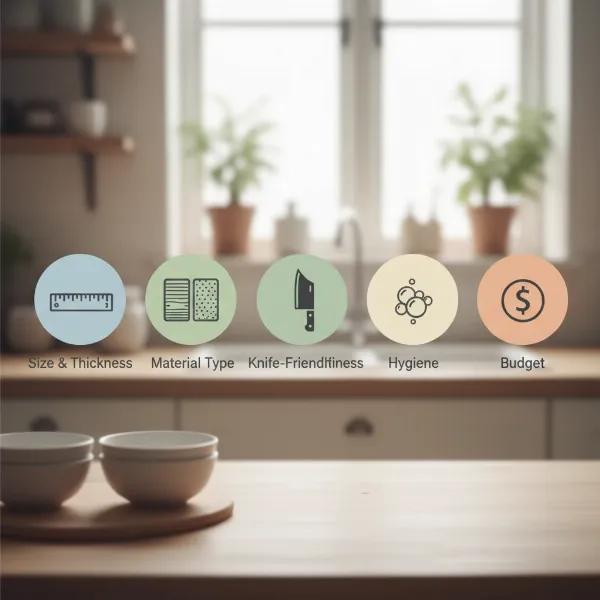
The journey to a safer cutting experience often begins with selecting the right tools. When it comes to plastic cutting boards, certain features can significantly reduce the risk of knife slips. Look for boards crafted from softer plastics, such as polyethylene (PE) or polypropylene (PP), which are gentler on knife edges compared to harder plastic varieties. A board that yields slightly to the knife’s blade helps maintain edge sharpness and reduces the chance of the knife skidding.
Additionally, many modern plastic cutting boards come equipped with built-in safety features. These can include textured surfaces, which provide a better grip for your knife, or integrated rubber feet or non-slip edges on the underside. These grippy elements create crucial friction between the board and your countertop, preventing unwanted movement. When purchasing, consider the board’s thickness and weight; a heavier, thicker board generally offers more inherent stability. Regularly inspect your existing boards for warping, deep gouges, or excessive wear, as these signs indicate it’s time for a replacement to ensure optimal safety and hygiene.
Essential Techniques to Stabilize Your Cutting Board
A stationary cutting board is the foundation of knife safety. Fortunately, several simple yet highly effective methods can keep your plastic cutting board firmly in place, even on the slickest surfaces.
The Damp Towel Method
|
Our Picks for the Best Plastic cutting board in 2026
As an Amazon Associate I earn from qualifying purchases.
|
||
| Num | Product | Action |
|---|---|---|
| 1 | GORILLA GRIP BPA-Free Reversible Kitchen Cutting Board Set of 3, US Designed, Nonporous, Juice Grooves Catch Liquid, Slip Resistant Border, Dishwasher Safe, Durable Large Food Chopping Boards, Black |

|
| 2 | FARBERWARE Reversible Plastic Cutting Board, 8x10 Inch, White, Dishwasher Safe, Non-Porous and Durable for Chopping, Slicing, Prep, Easy to Store |
|
| 3 | KitchenAid Classic Cutting Board with Perimeter Trench and Non Slip Edges, Dishwasher Safe, 11 inch x 14 inch, White and Gray |
|
| 4 | OXO Good Grips Plastic Utility Cutting Board |
|
| 5 | Goodluck 5 Pieces Flexible Cutting Boards, BPA Free Plastic Cutting Boards for Kitchen, Non Slip Cutting Mat for Meat and Vegetables |
|
| 6 | Extra Large Cutting Boards, Plastic Cutting Boards for Kitchen (Set of 3) Cutting Board Set Dishwasher Chopping Board with Juice Grooves Easy-Grip Handles, Dark Grey, Empune |
|
| 7 | Farberware Large Cutting Board, Dishwasher- Safe Plastic Chopping Board for Kitchen with Easy Grip Handle, 11-inch by 14-inch, White |
|
| 8 | THETCHRY Plastic Cutting Board Set of 3-Cutting Boards for Kitchen BPA Free, Large-Small Chopping Boards Non-Slip for Cooking Camping Dishwasher Safe, Reversible, with Grip Handle, 15"×10"×0.25" Green |
|
| 9 | Commercial Grade Plastic Cutting Board 18 x 12 x 1/2 Thick High Density White Poly, NSF Certified and Dishwasher Safe for Food Service |
|
| 10 | FARBERWARE Extra-Large Plastic Cutting Board, 15x20 Inch Dishwasher-Safe Chopping Board with Juice Groove, Non-Slip Surface, Durable, White |
|
This time-honored trick, taught in culinary schools worldwide, is perhaps the simplest and most effective.
- Dampen a thin kitchen towel or a few sheets of paper towel. Wring out any excess water so it’s damp, not soaking wet. A thin towel works best, as thick ones can create instability.
- Lay the damp towel flat on your countertop. Ensure it’s spread out smoothly, covering an area slightly larger than your cutting board.
- Place your plastic cutting board directly on top of the damp towel. The moisture creates a powerful suction, holding the board securely in place.
This method works wonders for creating traction and is easily adaptable to any size or type of cutting board.
Non-Slip Mats and Liners
For a more permanent or reusable solution, consider dedicated non-slip mats or shelf liners.
- Rubber or Silicone Mats: These purpose-built mats are typically made from rubber or silicone and provide excellent grip. They can be cut to fit your board’s exact dimensions.
- Shelf or Drawer Liners: The inexpensive, grippy mesh material found in shelf liners can also be placed under your cutting board for reliable stability.
These options offer a consistent non-slip surface and are easy to clean and store.
DIY Grips and Features
If your cutting board lacks built-in non-slip features, you can easily add your own:
- Silicone Pads: Small, adhesive silicone pads or furniture grips can be applied to the corners of the board’s underside.
- Hot Glue Dabs: For a more permanent solution, apply a few dabs of hot glue to the bottom corners, let them almost set, then press the board onto a flat surface to create custom rubberized feet. Once fully hardened, these provide excellent grip and are durable enough to withstand many washes.
- Rubber Bands: For smaller, lighter boards, wrapping a thick rubber band around each end can create sufficient friction.
Mastering Knife Skills for Enhanced Safety
Beyond securing your cutting board, developing proper knife skills is crucial for preventing slips and ensuring safe food preparation. A sharp knife, contrary to popular belief, is safer than a dull one. A sharp blade glides through food with minimal effort, reducing the need for excessive force that can cause a knife to slip and veer off course. Regularly honing and sharpening your knives is a foundational safety practice.
Employing correct hand and knife techniques further minimizes risk:
- The Claw Grip: When holding food, curl your fingertips inward, creating a “claw” with your knuckles pressing against the side of the blade. This shields your fingertips from the knife and allows the blade to guide against your knuckles, ensuring consistent cuts while keeping your fingers safe.
- The Bridge Method: For round or irregularly shaped items like onions or potatoes, use the “bridge” method. Place your hand over the food, forming an arch (a “bridge”), and slice through the center of the item with your knife guided by the arch. This creates a stable flat surface for subsequent cutting.
- Slicing and Rocking Motions: Use a fluid slicing or rocking motion rather than aggressive vertical chopping, especially on plastic boards. This controlled movement allows the knife to work with the food and the board, rather than against it, reducing sudden impacts that can lead to slips. Always cut away from your body, maintaining awareness of your blade’s trajectory.
Maintaining Your Plastic Cutting Board for Long-Term Safety
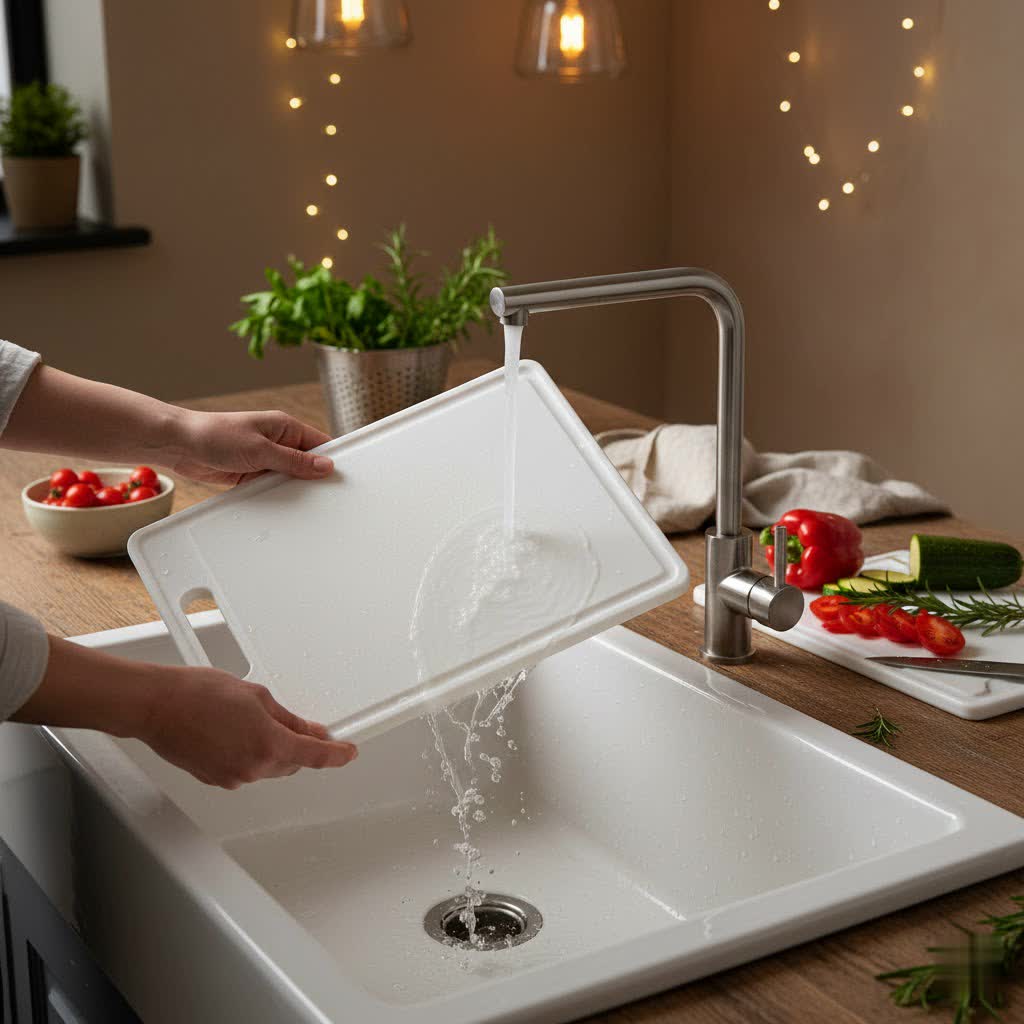
Proper maintenance extends the life of your plastic cutting board and directly contributes to ongoing kitchen safety. After each use, thoroughly wash your board with hot, soapy water. This removes food particles and surface bacteria. For deeper sanitization, a diluted bleach solution (1 tablespoon of unscented liquid bleach per gallon of water) or a mixture of white vinegar and water can be used periodically. Rinse thoroughly after sanitizing.
Allow your plastic cutting board to air dry completely or wipe it dry with a clean towel before storing it. Storing a damp board can encourage bacterial growth and may also lead to warping over time. A warped board will not sit flat on your countertop, creating instability and increasing the risk of slips. Regularly inspect your boards for deep knife marks, stains, or any signs of warping or damage. Deep grooves can trap bacteria and provide pathways for your knife to slip. Replacing worn boards is an investment in your health and safety, ensuring you always have a reliable, stable, and hygienic surface for all your cutting tasks.
Conclusion
Preventing knife slips on hard plastic cutting boards is an essential aspect of kitchen safety that can significantly reduce the risk of accidents and enhance your cooking efficiency. By consistently implementing simple strategies such as stabilizing your board with a damp towel or non-slip mat, maintaining sharp knives, and practicing proper cutting techniques, you create a much safer environment for food preparation. Regular cleaning and timely replacement of worn boards also play a crucial role in ensuring long-term hygiene and stability. Prioritizing these safety measures not only protects you from injuries but also fosters confidence and precision in your culinary endeavors. What small change will you make today to improve your cutting board safety?