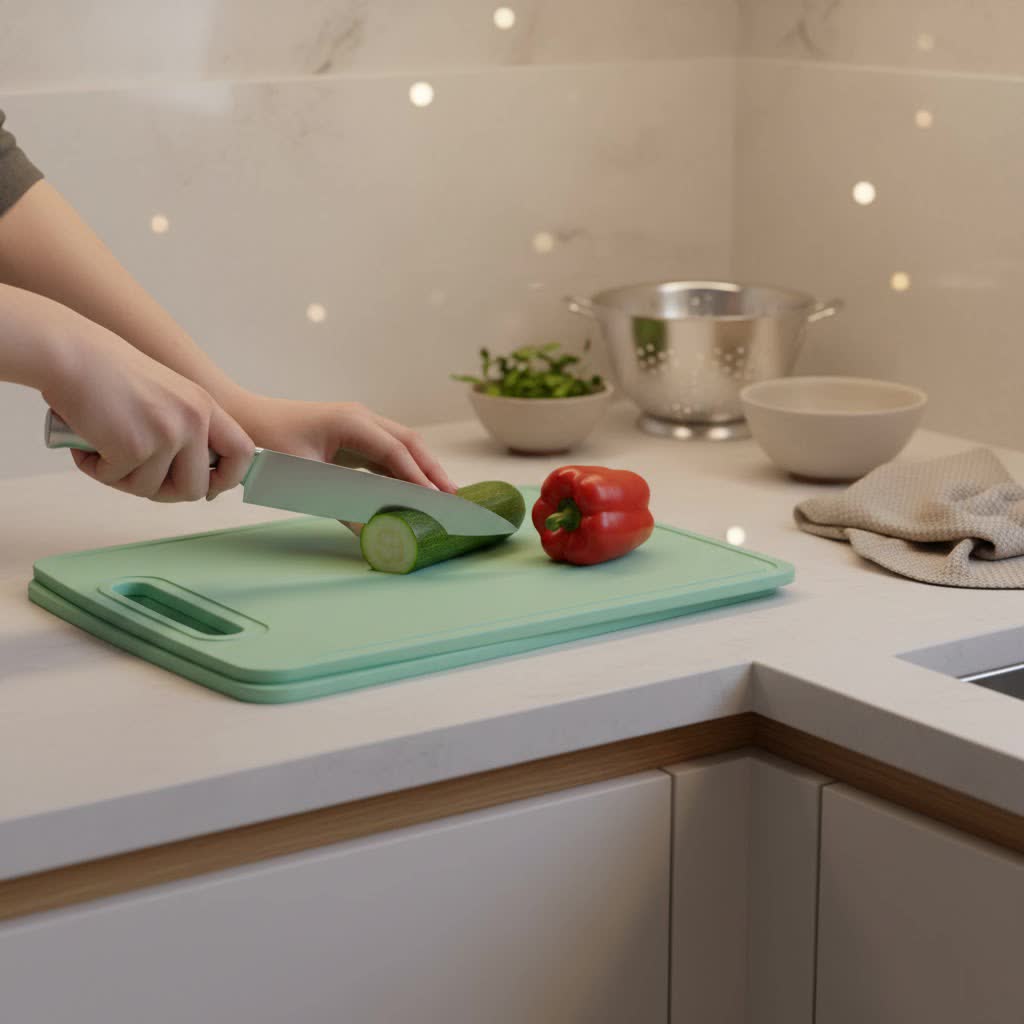
In any kitchen, whether it belongs to a seasoned chef or a budding home cook, having the right tools makes all the difference. A sharp knife glides effortlessly, transforming daunting tasks into satisfying culinary moments, while a reliable cutting surface provides a stable and hygienic foundation. This is precisely why a gift set featuring a high-quality plastic cutting board alongside a practical knife sharpener is not just a present, but an investment in efficiency, safety, and joy in the kitchen. These thoughtfully curated sets offer the perfect blend of utility and longevity, making them an ideal choice for housewarmings, holidays, or any occasion celebrating the art of cooking.
Choosing Your Cutting Board & Knife Sharpener Gift Set: A Comprehensive Guide
Selecting the perfect kitchen gift requires understanding the utility and advantages of each component. A plastic cutting board and a knife sharpener, when paired together, form a powerful duo that supports seamless meal preparation.
Advantages and Disadvantages of Plastic Cutting Boards
Plastic cutting boards are a staple in many kitchens, and for good reason. They offer several distinct benefits compared to other materials like wood, bamboo, or glass.
Advantages:
- Hygiene and Easy Cleaning: Plastic is non-porous, meaning it resists absorbing liquids, odors, and bacteria, making it exceptionally hygienic. Most plastic boards are dishwasher safe, simplifying sanitation.
- Affordability: Generally more budget-friendly than their wooden counterparts, plastic boards offer excellent value without compromising functionality.
- Durability and Moisture Resistance: Crafted from materials like polyethylene (PE) or polypropylene (PP), plastic boards are sturdy, resistant to moisture, and less prone to warping or cracking.
- Color-Coding for Safety: Available in a variety of colors, plastic boards enable a color-coded system to prevent cross-contamination (e.g., red for raw meat, green for vegetables).
- Corrosion Resistance: They can resist erosion from acids, alkalis, and other chemical substances, maintaining their integrity over time.
Disadvantages:
- Knife Dullness: Some plastic boards, particularly harder varieties, can be tougher on knife blades, potentially causing them to dull faster than on softer wooden surfaces.
- Scratching and Microplastics: Over time, heavy use can lead to deep scratches where bacteria might hide. Additionally, small plastic particles can be shed during cutting, a concern for health and the environment. Choosing high-quality, dense plastic can mitigate these issues.
|
Our Picks for the Best Plastic cutting board in 2026
As an Amazon Associate I earn from qualifying purchases.
|
||
| Num | Product | Action |
|---|---|---|
| 1 | KitchenAid Classic Cutting Board with Perimeter Trench and Non Slip Edges, Dishwasher Safe, 11 inch x 14 inch, White and Gray |

|
| 2 | Farberware Large Cutting Board, Dishwasher- Safe Plastic Chopping Board for Kitchen with Easy Grip Handle, 11-inch by 14-inch, White |
|
| 3 | Extra Large Cutting Boards, Plastic Cutting Boards for Kitchen (Set of 3) Cutting Board Set Dishwasher Chopping Board with Juice Grooves Easy-Grip Handles, Dark Grey, Empune |
|
| 4 | Commercial Grade Plastic Cutting Board 18 x 12 x 1/2 Thick High Density White Poly, NSF Certified and Dishwasher Safe for Food Service |
|
| 5 | THETCHRY Plastic Cutting Board Set of 3-Cutting Boards for Kitchen BPA Free, Large-Small Chopping Boards Non-Slip for Cooking Camping Dishwasher Safe, Reversible, with Grip Handle, 15"×10"×0.25" Green |
|
| 6 | GORILLA GRIP BPA-Free Reversible Kitchen Cutting Board Set of 3, US Designed, Nonporous, Juice Grooves Catch Liquid, Slip Resistant Border, Dishwasher Safe, Durable Large Food Chopping Boards, Black |
|
| 7 | FARBERWARE Extra-Large Plastic Cutting Board, 15x20 Inch Dishwasher-Safe Chopping Board with Juice Groove, Non-Slip Surface, Durable, White |
|
| 8 | OXO Good Grips Plastic Utility Cutting Board |
|
| 9 | FARBERWARE Reversible Plastic Cutting Board, 8x10 Inch, White, Dishwasher Safe, Non-Porous and Durable for Chopping, Slicing, Prep, Easy to Store |
|
| 10 | Goodluck 5 Pieces Flexible Cutting Boards, BPA Free Plastic Cutting Boards for Kitchen, Non Slip Cutting Mat for Meat and Vegetables |
|
Types of Plastic Cutting Boards
Different types of plastic offer varying characteristics suitable for diverse kitchen needs:
- Polyethylene (PE): Often found in commercial kitchens, PE boards are known for their durability, non-porous nature, and ease of cleaning. They are generally resilient and can withstand heavy use.
- Polypropylene (PP): Lighter and sometimes softer than PE, PP boards are still highly durable and resistant to heat and chemicals. They are often favored for their flexibility and gentle impact on knife edges.
- High-Density Polyethylene (HDPE): A robust form of PE, HDPE boards combine exceptional durability with excellent hygiene properties, making them a premium choice for plastic cutting surfaces.
When choosing, consider the board’s primary application. Thicker, more durable plastics like HDPE are ideal for heavy-duty tasks like carving meats, while lighter PP boards might be better for quick prep of fruits and vegetables.
Types of Knife Sharpeners
A truly sharp knife is a safe knife. A good knife sharpener is an indispensable tool that extends the life of your knives and enhances kitchen safety and efficiency.
- Manual Pull-Through Sharpeners: These handheld devices feature abrasive wheels or slots (often ceramic and carbide) that knives are pulled through. They are user-friendly, affordable, and excellent for quick touch-ups.
- Whetstones: Traditional and highly effective, whetstones (or sharpening stones) require skill and practice to achieve the optimal blade angle. They offer exceptional precision and a razor-sharp edge but are less beginner-friendly.
- Electric Sharpeners: Offering speed and convenience, electric sharpeners use motorized abrasive wheels to quickly sharpen blades. High-quality models can deliver professional results with minimal effort, though they are generally more expensive.
- Honing Rods (Steels): While not technically sharpeners (they don’t remove material), honing rods realign a knife’s microscopic edge, restoring its keenness between sharpenings. They are crucial for daily blade maintenance.
- Integrated Sharpeners: Some cutting boards, or more commonly, knife blocks, feature built-in sharpeners, offering an all-in-one solution for convenience. Multifunctional plastic boards sometimes incorporate a compact sharpener directly onto their surface.
The best sharpener for a gift set depends on the recipient’s comfort level and the types of knives they own. For general home use, a versatile manual pull-through or a compact electric sharpener is often a great choice.
Factors to Consider When Buying a Gift Set
To ensure your gift set is truly appreciated, keep these factors in mind:
- Board Size and Thickness: Consider the recipient’s kitchen space and cooking habits. A set with multiple sizes offers versatility. Thicker boards are more stable and durable.
- Material Safety: Always opt for BPA-free plastic cutting boards to ensure food safety.
- Sharpener Type and Ease of Use: For most home cooks, an easy-to-use manual pull-through or a guided electric sharpener is preferable over a whetstone, which demands more technique.
- Non-Slip Features: Look for cutting boards with non-slip feet or edges to ensure stability during use, significantly enhancing safety.
- Juice Grooves: Boards with a perimeter groove are excellent for catching liquids when cutting juicy fruits, vegetables, or meats, keeping countertops clean.
- Brand Reputation: Investing in reputable brands often guarantees higher quality materials and better performance from both the cutting board and sharpener components.
Top Picks: Recommended Gift Sets for the Modern Kitchen
While specific plastic board and sharpener combination gift sets can be niche, the most thoughtful approach is to identify high-quality, complementary items that together form an exceptional kitchen gift.
- The Versatile Prep Master: A set of color-coded plastic cutting boards (PE or PP) in various sizes, paired with a reliable 2-stage or 3-stage manual pull-through knife sharpener. This ensures hygienic prep for different food types and easy blade maintenance.
- The All-in-One Convenience: Look for innovative multifunctional plastic cutting boards that integrate a compact knife sharpener directly into their design. Some models also include features like defrosting trays or garlic graters, maximizing utility in a single item.
- The Professional Home Cook’s Duo: A large, durable HDPE plastic cutting board known for its knife-friendliness and stability, complemented by a high-quality electric knife sharpener. This combination caters to those who prioritize precision and efficiency.
These combinations offer practical solutions, ensuring that every cut is precise, safe, and enjoyable.
Proper Care and Maintenance
Longevity of kitchen tools relies on proper care:
- Plastic Cutting Boards: For daily cleaning, wash with hot soapy water, then rinse thoroughly. Many plastic boards are dishwasher safe, offering a convenient way to sanitize. For deeper cleaning, especially after cutting raw meat, a diluted bleach solution or hydrogen peroxide can be used. Ensure they are fully dry before storing to prevent mildew.
- Knife Sharpeners: Wipe manual sharpeners clean after each use to remove metal filings. Electric sharpeners may require periodic cleaning of their abrasive elements according to manufacturer instructions. Store all sharpeners in a dry place to prevent rust or damage. Regular maintenance ensures both tools perform optimally and last for years.
Frequently Asked Questions
Why is a sharp knife considered safer than a dull one?
A sharp knife requires less force to cut through food, allowing for precise, controlled movements. A dull knife, on the other hand, needs more pressure, increasing the risk of slipping and causing accidental injuries as the blade can skid off the food.
Can I use the same plastic cutting board for meat and vegetables if I wash it thoroughly?
While thorough washing helps, it’s best practice to use separate plastic cutting boards for raw meats and fresh produce. This prevents cross-contamination, a major cause of foodborne illnesses. Many plastic board sets come in different colors to facilitate this safe practice.
How often should I sharpen my kitchen knives?
The frequency depends on usage. For most home cooks, a quick honing with a steel or pull-through sharpener before each use, and a full sharpening every few months or as soon as you notice a decrease in performance, is sufficient. Regular maintenance prevents knives from becoming excessively dull.