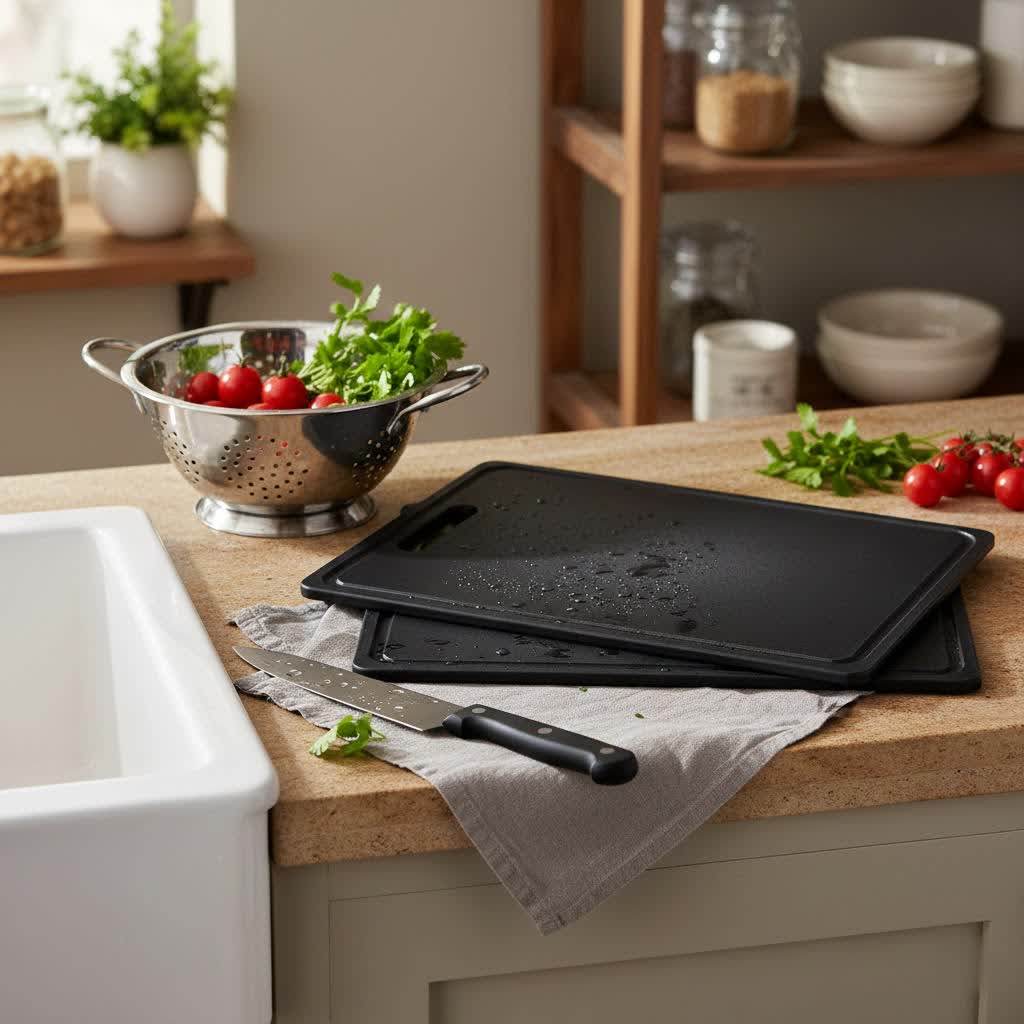
In the fast-paced world of professional kitchens, every tool plays a critical role in efficiency, food safety, and overall operational excellence. Among these, the humble cutting board stands as a cornerstone of daily prep, demanding not just durability but unwavering adherence to strict health regulations. For restaurants, cafes, and catering businesses, selecting the right Commercial NSF Certified Boards for Restaurants is not merely a preference—it’s a legal and ethical imperative. These specialized boards are designed to withstand the rigors of heavy-duty use while meeting the highest sanitation standards, ensuring that every dish prepared contributes to a safe and satisfying dining experience.
Choosing Plastic Cutting Boards: A Comprehensive Guide
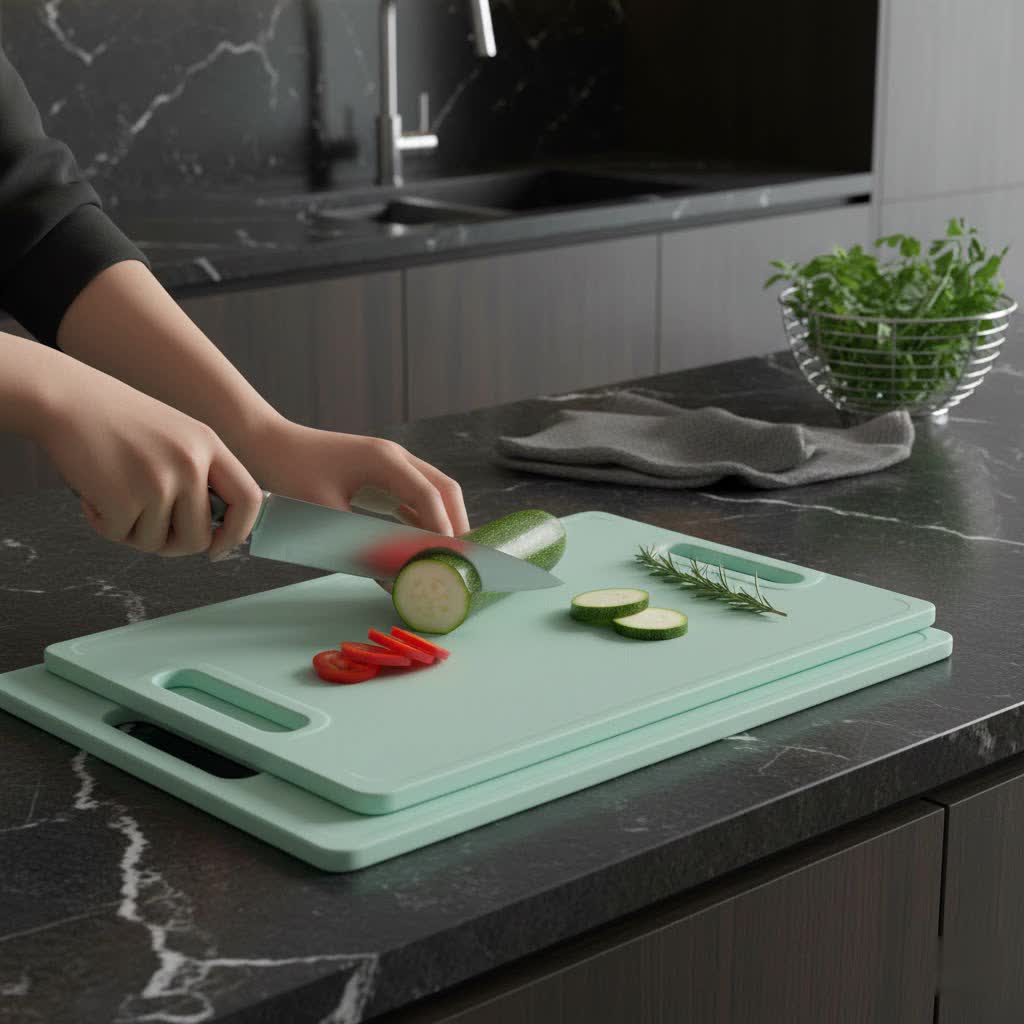
For professional kitchens, the choice of cutting board material is paramount, directly impacting food safety, durability, and knife longevity. While various materials exist, plastic cutting boards, particularly those made from High-Density Polyethylene (HDPE) and Ultra-High Molecular Weight Polyethylene (UHMW), are widely favored in commercial settings due to their hygienic properties and robust performance. These materials offer significant advantages over traditional options like wood, glass, or bamboo.
Advantages and Disadvantages of Plastic Cutting Boards
When outfitting a commercial kitchen, understanding the specific merits and drawbacks of different cutting board materials is essential for making informed decisions. Plastic cutting boards, particularly those designed for restaurant use, present a compelling case due to their superior hygiene and ease of maintenance. They are often compared with wood, glass, and bamboo, each having distinct characteristics that influence their suitability for professional environments.
Advantages of Commercial Plastic Cutting Boards:
- Exceptional Hygiene and Sanitation: Plastic boards, especially those that are NSF certified, are non-porous. This characteristic prevents bacteria, moisture, and odors from penetrating the surface, significantly reducing the risk of cross-contamination—a critical concern in any food service operation. Their non-porous nature also means they won’t harbor food particles internally, making them easier to clean effectively.
- Ease of Cleaning and Dishwasher Safe: Unlike many wooden boards that require hand washing and careful drying, commercial plastic cutting boards are typically dishwasher safe, tolerating high temperatures for thorough sanitization. This allows for quick turnaround in busy kitchens and ensures consistent cleanliness.
- Durability and Longevity: Designed for heavy use, commercial plastic boards are incredibly resilient. They resist warping, chipping, and cracking, standing up to constant chopping and slicing. High-quality plastic also minimizes deep scoring, which can become breeding grounds for bacteria.
- Knife-Friendly Surface: While durable, plastic offers a softer surface compared to glass or metal, which helps preserve the sharpness of knife blades. This reduces the frequency of sharpening and extends the life of expensive commercial cutlery.
- Cost-Effective: Generally, commercial plastic cutting boards offer excellent value. Their durability means less frequent replacement, and their ease of cleaning can save on labor costs, making them an economical choice in the long run.
- Color-Coding for HACCP: A significant advantage in commercial settings is the availability of plastic boards in multiple colors, enabling strict adherence to Hazard Analysis and Critical Control Points (HACCP) guidelines for preventing cross-contamination.
Disadvantages of Commercial Plastic Cutting Boards:
- Potential for Scoring: While commercial-grade plastics are more resistant than their residential counterparts, repeated knife use will eventually lead to surface scoring. Deep grooves can become difficult to clean and sanitize, necessitating board replacement.
- Appearance Over Time: Unlike wood, which can develop a rich patina, plastic boards may show signs of wear, such as staining or discoloration, after extensive use.
- Environmental Concerns: Traditional plastics can raise environmental concerns regarding their production and disposal. However, many manufacturers are now focusing on sustainable practices and recyclable materials.
|
Our Picks for the Best Plastic cutting board in 2026
As an Amazon Associate I earn from qualifying purchases.
|
||
| Num | Product | Action |
|---|---|---|
| 1 | FARBERWARE Reversible Plastic Cutting Board, 8x10 Inch, White, Dishwasher Safe, Non-Porous and Durable for Chopping, Slicing, Prep, Easy to Store |

|
| 2 | OXO Good Grips Plastic Utility Cutting Board |
|
| 3 | THETCHRY Plastic Cutting Board Set of 3-Cutting Boards for Kitchen BPA Free, Large-Small Chopping Boards Non-Slip for Cooking Camping Dishwasher Safe, Reversible, with Grip Handle, 15"×10"×0.25" Green |
|
| 4 | FARBERWARE Extra-Large Plastic Cutting Board, 15x20 Inch Dishwasher-Safe Chopping Board with Juice Groove, Non-Slip Surface, Durable, White |
|
| 5 | Commercial Grade Plastic Cutting Board 18 x 12 x 1/2 Thick High Density White Poly, NSF Certified and Dishwasher Safe for Food Service |
|
| 6 | Goodluck 5 Pieces Flexible Cutting Boards, BPA Free Plastic Cutting Boards for Kitchen, Non Slip Cutting Mat for Meat and Vegetables |
|
| 7 | Extra Large Cutting Boards, Plastic Cutting Boards for Kitchen (Set of 3) Cutting Board Set Dishwasher Chopping Board with Juice Grooves Easy-Grip Handles, Dark Grey, Empune |
|
| 8 | GORILLA GRIP BPA-Free Reversible Kitchen Cutting Board Set of 3, US Designed, Nonporous, Juice Grooves Catch Liquid, Slip Resistant Border, Dishwasher Safe, Durable Large Food Chopping Boards, Black |
|
| 9 | Farberware Large Cutting Board, Dishwasher- Safe Plastic Chopping Board for Kitchen with Easy Grip Handle, 11-inch by 14-inch, White |
|
| 10 | KitchenAid Classic Cutting Board with Perimeter Trench and Non Slip Edges, Dishwasher Safe, 11 inch x 14 inch, White and Gray |
|
Common Types of Plastic Cutting Boards
In the realm of Commercial NSF Certified Boards for Restaurants, polyethylene reigns supreme. This versatile plastic is engineered to meet the stringent demands of food service, offering a balance of durability, hygiene, and performance. The two primary types of polyethylene used are High-Density Polyethylene (HDPE) and Ultra-High Molecular Weight Polyethylene (UHMW).
High-Density Polyethylene (HDPE):
HDPE is by far the most popular choice for commercial cutting boards, recognized for its excellent combination of characteristics. It is a robust thermoplastic polymer known for its high strength-to-density ratio, making it rigid and incredibly durable. HDPE boards resist absorption of moisture, stains, and odors, which is crucial for maintaining sanitary conditions in a busy kitchen. They are also relatively soft on knife edges, helping to preserve the sharpness of your blades. Available in various thicknesses and colors, HDPE boards are a workhorse in commercial food preparation.
Ultra-High Molecular Weight Polyethylene (UHMW):
UHMW polyethylene takes the properties of HDPE a step further, boasting an even higher molecular weight. This results in superior abrasion resistance and a remarkably low coefficient of friction, meaning it’s incredibly tough and provides an excellent cutting surface. UHMW boards are exceptionally durable, standing up to the most demanding commercial environments without significant wear or deep gouging. Like HDPE, UHMW is non-porous, resistant to moisture and chemicals, and safe for food contact, often meeting both NSF and FDA standards. While generally more expensive than standard HDPE, their extended lifespan and performance justify the investment for high-volume operations.
These materials are preferred because they can be easily cleaned and sanitized, resisting the absorption of liquids and bacteria, which aligns perfectly with NSF and FDA food safety guidelines.
Comparison Table of Commercial Plastic Cutting Boards
Choosing the right material for your commercial kitchen cutting boards involves evaluating key properties like durability, temperature resistance, and specific applications. Here’s a comparative look at the main types of plastic and composite boards commonly used in restaurants:
| Feature | HDPE (High-Density Polyethylene) | UHMW (Ultra-High Molecular Weight Polyethylene) | Composite (e.g., Richlite, Epicurean) |
|---|---|---|---|
| Durability | Excellent; resistant to warping, cracking, and moderate scoring. | Superior; extremely high abrasion resistance, resists deep gouging. | Very Good; dense, non-porous, often harder than plastic, resists stains. |
| Heat Resistance | Good; generally dishwasher safe at commercial temperatures. | Good; similar to HDPE, holds up well in commercial dishwashers. | Excellent; often heat-resistant up to 350°F (175°C), oven-safe. |
| Safety (NSF/FDA) | Commonly NSF and FDA approved. | Commonly NSF and FDA approved. | Often NSF certified for food contact. |
| Knife-Friendly | Very good; provides a gentle surface for knife edges. | Excellent; maintains knife sharpness due to resilience. | Good; may feel harder than plastic, but still protects knife edges. |
| Key Applications | General prep, color-coded for specific ingredients (HACCP). | Heavy-duty chopping, high-volume kitchens, butchers. | Versatile for prep, serving, and even as heat trivets. |
| Cost | Moderate | Higher | Moderate to High |
“In a commercial kitchen, sanitation is non-negotiable. NSF certified plastic cutting boards, particularly those made from HDPE, are indispensable for preventing cross-contamination and maintaining public health standards. Their robust design makes them a smart investment for any serious culinary establishment.” – Chef Elena Rodriguez, Executive Pastry Chef & Food Safety Consultant.
Guide to Buying Plastic Cutting Boards
Investing in the right Commercial NSF Certified Boards for Restaurants is a critical decision that impacts your kitchen’s hygiene, efficiency, and longevity. Several factors must be carefully considered to ensure you select boards that meet your specific operational needs and comply with all food safety regulations.
1. Prioritize NSF Certification:
This is perhaps the most crucial factor for commercial kitchens. NSF International is a globally recognized public health and safety organization that develops standards and certifies products. An NSF certification guarantees that the cutting board materials and design meet strict requirements for food contact, cleanability, and sanitation. Always look for the NSF mark when purchasing cutting boards for a restaurant environment.
2. Choose the Right Material:
As discussed, HDPE and UHMW polyethylene are the industry standards for commercial plastic cutting boards due to their non-porous, moisture-resistant, and odor-resistant properties. These materials are designed to withstand heavy use, resist deep cuts, and are approved by both NSF and FDA for food contact.
3. Select Appropriate Size and Thickness:
Cutting board dimensions should align with your kitchen’s workspace and specific tasks. Consider various sizes for different stations (e.g., a large board for butchering, smaller ones for vegetable prep). Thickness is also vital for durability and stability; commercial boards commonly range from 1/2 inch to 1 inch thick. Thicker boards offer greater stability and a longer lifespan, crucial for continuous, heavy-duty use.
4. Implement Color-Coding for HACCP Compliance:
A fundamental aspect of commercial food safety is preventing cross-contamination. NSF certified boards are available in a spectrum of colors, allowing kitchens to easily implement a HACCP-compliant color-coding system. Common color associations include:
- Red: Raw Red Meat
- Yellow: Raw Poultry
- Green: Produce
- White: Dairy and Baked Goods
- Blue: Raw Fish
- Tan/Brown: Cooked Meats
This system visually distinguishes boards for different food types, minimizing the risk of transferring bacteria from one ingredient to another.
5. Consider Key Features:
Look for additional features that enhance safety and convenience:
- Non-Slip Grips: Essential for preventing accidental slips and cuts during fast-paced prep work.
- Juice Grooves: Helpful for containing liquids from meats or juicy fruits, keeping your workspace cleaner.
- Dishwasher Safe: A must-have for efficient and thorough sanitization in commercial dishwashers.
- Reversible Design: Offers two usable surfaces, extending the life of the board.
6. Opt for Reputable Brands and Suppliers:
Purchasing from established brands and trusted commercial kitchen suppliers ensures you receive high-quality, genuinely NSF-certified products. These suppliers often have extensive experience with restaurant needs and can offer reliable advice and customer service.
Top Picks: Effective Commercial Plastic Cutting Boards
While specific brand recommendations can vary based on regional availability and evolving product lines, the best Commercial NSF Certified Boards for Restaurants share core characteristics that ensure top-tier performance and hygiene. When evaluating options, look for boards that embody these qualities, focusing on what makes a product stand out in a demanding kitchen environment.
- Heavy-Duty HDPE/UHMW Boards: These are the workhorses of any commercial kitchen. Look for boards made from high-quality HDPE or UHMW polyethylene, ideally 1/2 inch to 1 inch thick, to ensure maximum durability and stability. These materials resist cutting deep gouges and are inherently non-porous, making them easy to sanitize effectively. Many suppliers offer custom-cut sizes to fit specific workstations.
- Full Color-Coded Sets: A complete set of color-coded boards (red, yellow, green, white, blue, tan) is invaluable for HACCP compliance. The best sets will clearly designate their intended use, making it intuitive for staff to grab the correct board for raw meats, poultry, fish, produce, or cooked foods, drastically reducing cross-contamination risks.
- Textured Surfaces for Grip: Some top-performing boards feature a textured surface. This can provide a slightly better grip for food items, especially meats, and might help hide minor knife marks, maintaining a cleaner appearance longer.
- Integrated Features for Efficiency: Boards with features like perimeter juice grooves are excellent for containing liquids from juicy foods, keeping workstations tidy. Non-slip feet or a weight that prevents sliding are also highly desirable characteristics for safety and efficiency during intensive prep work.
- Dishwasher-Safe & Easy-to-Clean Designs: Any top pick for commercial use must be fully dishwasher safe, allowing for high-temperature cleaning and sanitization. Boards with smooth, uniform surfaces are generally easier to clean, preventing food particles from getting trapped.
Focusing on these attributes rather than just brand names will guide you towards cutting boards that are not only NSF certified but also genuinely enhance safety and productivity in your restaurant.
Vệ Sinh và Bảo Quản Thớt Nhựa Đúng Cách
Maintaining the cleanliness and integrity of your Commercial NSF Certified Boards for Restaurants is paramount for food safety and extending their lifespan. Proper cleaning and storage routines are not just good practice—they are essential for passing health inspections and preventing the spread of foodborne illnesses.
Daily Cleaning After Each Use:
Immediately after use, plastic cutting boards should be thoroughly scraped to remove any visible food debris. Wash them with hot, soapy water, using a stiff-bristled brush to scrub the entire surface, paying close attention to any cuts or grooves. The goal is to remove all organic matter before sanitization.
Sanitization for Commercial Standards:
After scrubbing, sanitization is crucial. Commercial kitchens often utilize high-temperature dishwashers that reach temperatures sufficient to sanitize boards. For manual sanitization, a bleach solution (one tablespoon of unscented liquid bleach per gallon of water) can be used. Immerse the boards in the solution or thoroughly spray them, allowing them to air dry for at least two minutes before rinsing with clean water. Alternatively, commercial-grade sanitizing solutions, specifically approved for food contact surfaces, can be used according to the manufacturer’s instructions.
Routine Disinfection:
Beyond daily cleaning, it is good practice to periodically disinfect boards more thoroughly, especially those used for raw proteins. This can involve a more concentrated bleach solution or a specialized food-safe disinfectant. Always follow product guidelines for concentration and contact time.
Addressing Deep Scores and Replacement:
Despite their durability, plastic cutting boards will eventually accumulate deep knife marks. These gouges can harbor bacteria that are difficult to remove, even with proper cleaning. Regularly inspect your boards for excessive scoring. When grooves become too deep or numerous, the board should be replaced to maintain optimal hygiene and safety. Some boards can be resurfaced, but eventually, replacement is the safest option.
Proper Storage:
Once cleaned and sanitized, boards should be stored in a dry, well-ventilated area to prevent moisture accumulation, which can promote bacterial growth. Store them vertically in a rack to allow air circulation around all surfaces. Avoid stacking wet boards, as this creates an anaerobic environment ideal for pathogens.
Conclusion
For any culinary establishment, the selection of Commercial NSF Certified Boards for Restaurants transcends mere functionality; it represents a foundational commitment to food safety and operational integrity. These specialized cutting boards, typically crafted from high-density polyethylene (HDPE) or ultra-high molecular weight polyethylene (UHMW), are meticulously engineered to meet the rigorous demands of professional kitchens, ensuring maximum hygiene, remarkable durability, and optimal knife care. By embracing NSF-certified, color-coded boards and adhering to stringent cleaning protocols, restaurants can effectively mitigate the risks of cross-contamination, streamline prep work, and safeguard the well-being of their patrons.
Investing in these high-quality, compliant cutting surfaces is not just a regulatory necessity but a strategic decision that enhances kitchen efficiency and reinforces a restaurant’s reputation for excellence. How will your restaurant leverage the power of NSF-certified cutting boards to elevate its food safety standards and culinary operations?
Frequently Asked Questions
What does NSF certification mean for restaurant cutting boards?
NSF certification signifies that a cutting board has been independently tested and meets strict public health standards for food safety. It ensures the material is non-toxic, easily cleanable, resistant to bacteria growth, and can withstand commercial use, crucial for health inspections and preventing foodborne illness.
Why are plastic cutting boards preferred over wood in commercial kitchens?
Plastic cutting boards, especially HDPE and UHMW, are favored for commercial use because they are non-porous, preventing bacteria and moisture absorption. They are also typically dishwasher safe, allowing for more efficient and thorough sanitization compared to porous wooden boards, which can harbor pathogens.
What are the benefits of color-coded cutting boards in a restaurant?
Color-coded cutting boards are essential for preventing cross-contamination in commercial kitchens. Each color is designated for specific food types (e.g., red for raw meat, green for produce) according to HACCP guidelines, providing a visual system that helps staff quickly identify and use the correct board for different ingredients.
How thick should a commercial cutting board be?
Commercial cutting boards typically range from 1/2 inch (0.500″) to 1 inch thick. Thicker boards offer superior durability, stability, and a longer lifespan, making them ideal for high-volume use and heavy chopping in busy restaurant environments.
Can commercial plastic cutting boards be sharpened or resurfaced?
While some heavy-duty plastic cutting boards can be resurfaced to remove deep grooves and extend their life, this process requires specialized equipment. For most restaurants, once a board accumulates significant, deep scoring that is difficult to clean, it is generally recommended to replace it to maintain optimal hygiene standards.
How often should restaurant cutting boards be replaced?
The replacement frequency for commercial cutting boards depends on usage intensity and maintenance. Boards should be replaced when they develop deep, irreparable cuts and grooves that cannot be effectively cleaned and sanitized, as these can harbor bacteria and compromise food safety. Regular inspection is key.
Are all plastic cutting boards safe for commercial dishwashers?
Most Commercial NSF Certified Boards for Restaurants made from HDPE or UHMW polyethylene are designed to be dishwasher safe and withstand the high temperatures of commercial dishwashers. However, it’s always best to check the manufacturer’s specifications to ensure compatibility and prevent warping or damage.