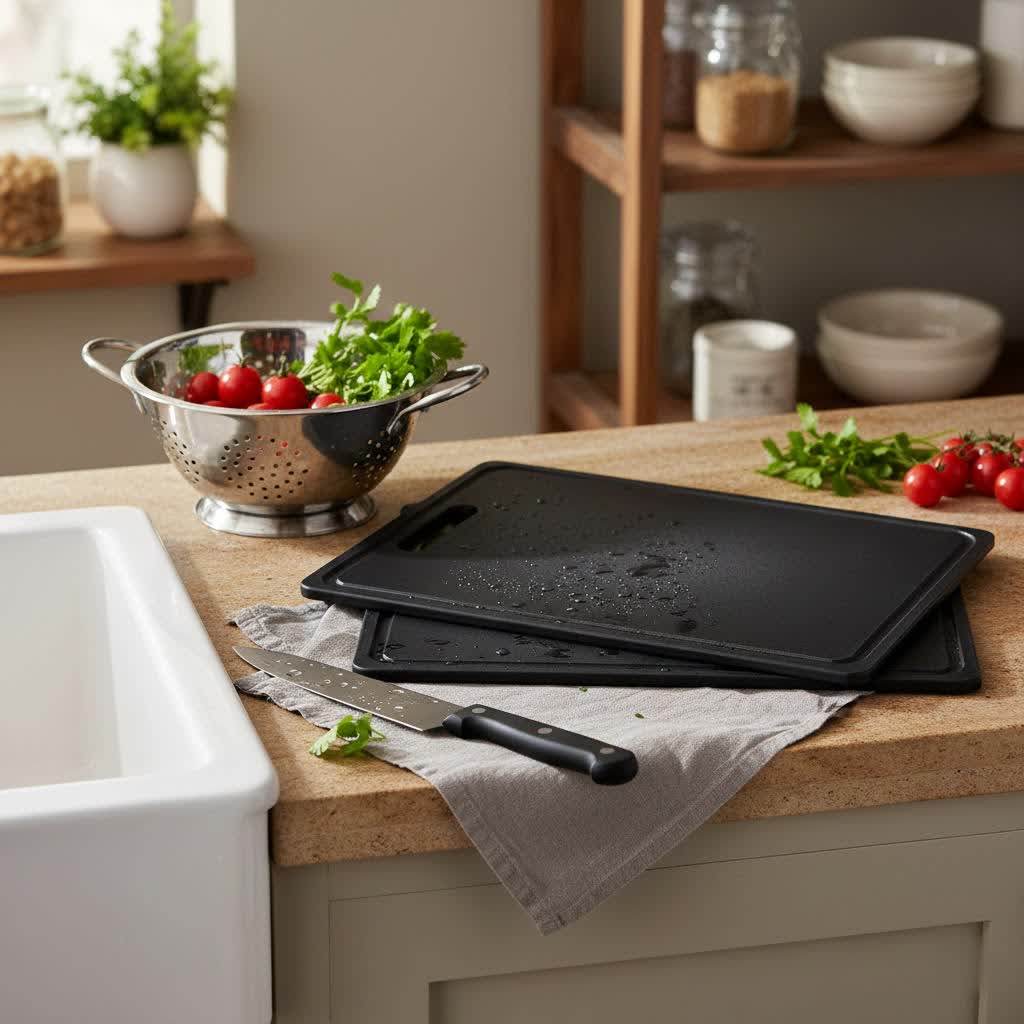
Few things are as frustrating in a kitchen as a once-pristine white plastic cutting board marred by stubborn stains from tomatoes, turmeric, or beets. A discolored cutting board not only looks unappealing but can also raise questions about its cleanliness and hygiene. If you’ve ever wondered how to reclaim that bright, clean appearance, you’re in the right place. This guide will walk you through proven methods to effectively clean, whiten, and maintain your plastic cutting boards, ensuring they remain a hygienic and attractive tool in your culinary arsenal.
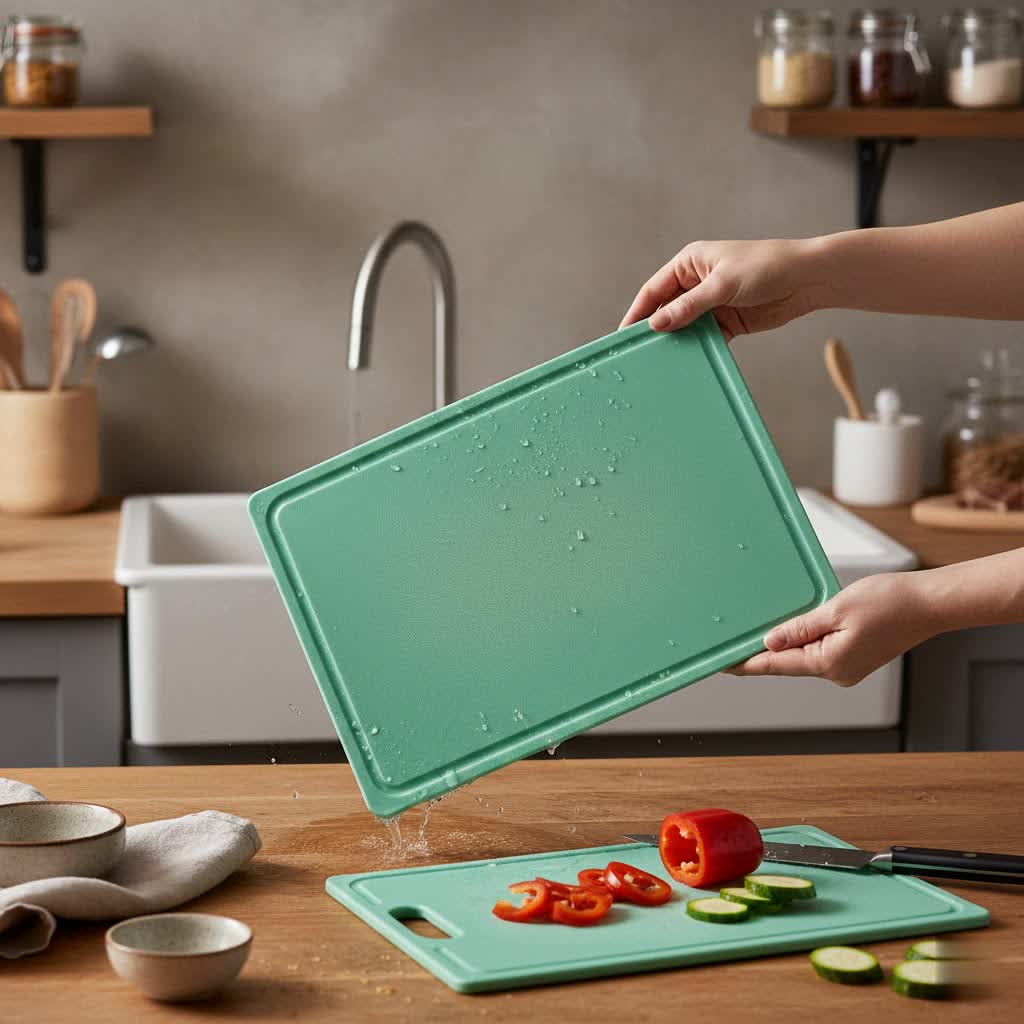
Why Plastic Boards Lose Their Luster
Plastic cutting boards, particularly the white varieties, are popular for their durability and dishwasher-safe convenience. However, their porous nature makes them susceptible to absorbing food pigments, oils, and juices over time. Each slice and chop creates tiny grooves and scratches where these substances can seep in and embed themselves, leading to unsightly stains and a dull, yellowish hue that standard washing often can’t remove. Understanding this inherent characteristic is the first step toward effective cleaning and prevention.
The Best Cleaning Methods for Stubborn Stains
When soap and water aren’t enough, it’s time to bring in more powerful, yet still safe, solutions. These methods target deep-seated stains and help restore your board’s original brightness.
Baking Soda and Hydrogen Peroxide Paste
This combination is a powerhouse for lifting stubborn stains without harsh scrubbing. It’s a natural bleaching agent and antiseptic that works wonders.
What you’ll need:
- Baking soda
- 3% hydrogen peroxide
- A few drops of dish soap
- A non-abrasive sponge or cloth
|
Our Picks for the Best Plastic cutting board in 2026
As an Amazon Associate I earn from qualifying purchases.
|
||
| Num | Product | Action |
|---|---|---|
| 1 | Extra Large Cutting Boards, Plastic Cutting Boards for Kitchen (Set of 3) Cutting Board Set Dishwasher Chopping Board with Juice Grooves Easy-Grip Handles, Dark Grey, Empune |

|
| 2 | Commercial Grade Plastic Cutting Board 18 x 12 x 1/2 Thick High Density White Poly, NSF Certified and Dishwasher Safe for Food Service |
|
| 3 | KitchenAid Classic Cutting Board with Perimeter Trench and Non Slip Edges, Dishwasher Safe, 11 inch x 14 inch, White and Gray |
|
| 4 | FARBERWARE Extra-Large Plastic Cutting Board, 15x20 Inch Dishwasher-Safe Chopping Board with Juice Groove, Non-Slip Surface, Durable, White |
|
| 5 | Goodluck 5 Pieces Flexible Cutting Boards, BPA Free Plastic Cutting Boards for Kitchen, Non Slip Cutting Mat for Meat and Vegetables |
|
| 6 | Farberware Large Cutting Board, Dishwasher- Safe Plastic Chopping Board for Kitchen with Easy Grip Handle, 11-inch by 14-inch, White |
|
| 7 | OXO Good Grips Plastic Utility Cutting Board |
|
| 8 | GORILLA GRIP BPA-Free Reversible Kitchen Cutting Board Set of 3, US Designed, Nonporous, Juice Grooves Catch Liquid, Slip Resistant Border, Dishwasher Safe, Durable Large Food Chopping Boards, Black |
|
| 9 | FARBERWARE Reversible Plastic Cutting Board, 8x10 Inch, White, Dishwasher Safe, Non-Porous and Durable for Chopping, Slicing, Prep, Easy to Store |
|
| 10 | THETCHRY Plastic Cutting Board Set of 3-Cutting Boards for Kitchen BPA Free, Large-Small Chopping Boards Non-Slip for Cooking Camping Dishwasher Safe, Reversible, with Grip Handle, 15"×10"×0.25" Green |
|
Steps:
- Prepare the board: Lay your dry, stained cutting board flat on a clean surface.
- Sprinkle baking soda: Generously cover the entire stained surface of the board with baking soda, aiming for about an eighth-inch thick layer. Baking soda acts as a mild abrasive and a deodorizer.
- Add hydrogen peroxide and dish soap: Carefully pour a small amount of hydrogen peroxide over the baking soda. The goal is to create a thick, paste-like consistency, not a runny liquid. Add a few drops of dish soap to help cut through grease and enhance the cleaning action.
- Let it sit: This is where the magic happens. Allow the paste to sit on the board for 10-15 minutes for lighter stains, or even overnight for deeply embedded discoloration. The longer it sits, the more time the ingredients have to break down stains and kill bacteria.
- Rinse thoroughly: After the waiting period, rinse the cutting board thoroughly with warm water. Use a sponge or cloth to wipe away any remaining paste and gently scrub away loosened stains. You’ll notice a significant improvement in brightness and stain reduction.
- Dry completely: Always dry your cutting board thoroughly with a clean towel or allow it to air dry completely before storing to prevent bacteria growth.
Lemon and Salt for a Natural Scrub
For a more natural and less intensive approach, especially for lighter stains and to refresh the surface, lemon and salt are excellent.
What you’ll need:
- Half a lemon
- Coarse salt (kosher or sea salt works best)
Steps:
- Sprinkle salt: Sprinkle a generous amount of coarse salt over the stained area of your plastic cutting board.
- Scrub with lemon: Use the cut side of half a lemon as a scrubber. Squeeze the lemon slightly as you scrub, allowing the juice and salt to mix and create an abrasive, acidic cleaning agent. The acid in the lemon helps to break down stains, while the salt provides gentle scrubbing power.
- Let it sit (optional): For tougher stains, let the lemon and salt mixture sit on the board for 10-20 minutes before rinsing.
- Rinse and dry: Rinse the board thoroughly with warm water and dry it completely.
Bleach Solution for Deep Sanitization and Whitening
While effective, bleach should be used cautiously and infrequently due to its strong chemical nature. It’s best reserved for severe stains and sanitization.
What you’ll need:
- 1 teaspoon of household bleach (sodium hypochlorite)
- 1 quart (about 1 liter) of water
- Non-abrasive sponge or scrub brush
- Gloves (optional, but recommended for skin protection)
Steps:
- Mix the solution: In a well-ventilated area, mix one teaspoon of bleach with one quart of water. Always dilute bleach properly.
- Apply and scrub: Dip a sponge or scrub brush into the solution and carefully scrub the stained areas of the cutting board.
- Let it sit (briefly): Allow the solution to sit on the board for no more than a few minutes (e.g., 2-5 minutes) for sanitization and whitening.
- Rinse thoroughly: This is crucial. Rinse the board extensively under warm to hot running water to remove all traces of the bleach solution. You can also follow up with a wash using dish soap and water to ensure no residue remains.
- Dry completely: Dry the board thoroughly before storing.
“Consistent cleaning practices are key to extending the life and maintaining the hygiene of your plastic cutting boards. Don’t let stains build up; tackle them promptly.” – Chef Elena Rodriguez, Culinary Arts Instructor
Everyday Cleaning and Maintenance
Preventing deep stains and discoloration starts with good daily habits. Regular and proper cleaning after each use is your best defense.
Dishwasher vs. Hand Washing
Most plastic cutting boards are dishwasher safe, offering a convenient way to clean and sanitize them with high heat. However, be mindful that repetitive exposure to very high heat cycles can sometimes cause boards to warp over time. If you notice warping, consider hand washing more frequently.
For hand washing:
- Simple soap and water: After each use, rinse your board under warm water. Apply a generous amount of dish soap and scrub with a non-abrasive sponge or brush, paying attention to any grooves or cut marks.
- Avoid abrasive scrubbers: While you want to clean thoroughly, extremely abrasive scrubbers can create more tiny scratches, which ironically can make the board more prone to staining and harbor bacteria in the long run.
Rinsing and Drying Properly
Regardless of the cleaning method, thorough rinsing is paramount to remove all food particles, cleaning agents, and potential bacteria. After rinsing, always dry your plastic cutting board completely with a clean towel or allow it to air dry upright in a dish rack. Storing a wet cutting board can encourage bacterial growth and mildew, which can also contribute to discoloration and odors.
Using Vinegar for Odors and Mild Disinfection
White vinegar is an excellent natural disinfectant and deodorizer. It can be used as a regular rinse or for tackling minor odors and light discoloration.
Method:
- After washing with soap and water, spray or wipe down the cutting board with undiluted white vinegar.
- Let it sit for a few minutes.
- Rinse thoroughly with water and dry. White vinegar is a gentler alternative if you’re concerned about using bleach.
Preventative Measures for a Whiter Board
Proactive steps can significantly reduce the frequency of deep cleaning and help your plastic board stay white and bright longer.
- Rinse immediately: The moment you finish cutting highly pigmented foods (like carrots, beets, or tomatoes), rinse the board with cold water. This helps prevent stains from setting. Hot water can sometimes “set” certain stains.
- Designate boards: If you use multiple cutting boards, consider having a separate board, perhaps a darker colored one, specifically for highly staining ingredients. Keep your white boards primarily for lighter foods or those less prone to staining.
- Regular deep cleaning: Don’t wait until your board is severely stained. Incorporate a deep cleaning routine (like the baking soda and hydrogen peroxide paste) once a month or every few weeks, depending on usage.
- Address gouges: Over time, deep knife marks and gouges will form. These are prime locations for bacteria and stains to hide. Regularly inspect your board. If cuts become too numerous or deep, it might be time to consider replacement.
Beyond Cleaning: When to Replace Your Cutting Board
There comes a point when cleaning efforts can no longer restore a plastic cutting board’s hygiene or appearance. If your board has:
- Deep, irreparable gouges: These are impossible to thoroughly clean and can harbor dangerous bacteria.
- Permanent discoloration: If repeated, strong cleaning methods fail to lift stains, the board material itself might be permanently discolored, indicating wear.
- Visible warping or damage: A warped board can be unstable and unsafe to cut on, and damaged surfaces are harder to clean.
Replacing your cutting board when it reaches this state is crucial for food safety and efficient meal preparation.
Conclusion
Keeping your plastic cutting board white and bright is entirely achievable with a combination of consistent daily maintenance and targeted deep-cleaning strategies. From the powerful stain-fighting paste of baking soda and hydrogen peroxide to the sanitizing effects of diluted bleach or the natural freshness of lemon and salt, you have several effective tools at your disposal. By understanding why boards stain and adopting a proactive cleaning routine, you can ensure your kitchen always feels fresh, clean, and ready for your next culinary adventure. Which method will you try first to rejuvenate your cutting board?
Frequently Asked Questions
Can I use bleach on my plastic cutting board?
Yes, you can use a diluted bleach solution (one teaspoon per quart of water) for deep cleaning and sanitization, especially for stubborn stains or after cutting raw meat. However, ensure thorough rinsing to remove all bleach residue and use it sparingly, as frequent use can degrade some plastics over time.
How often should I clean my plastic cutting board?
For hygiene, plastic cutting boards should be washed with soap and hot water after every use. Deep cleaning for stain removal or sanitization (using methods like baking soda paste or diluted bleach) should be done as needed, typically weekly or monthly, depending on how often it’s used with staining or raw ingredients.
Why does my plastic cutting board turn yellow?
Plastic cutting boards can turn yellow or develop stains due to the absorption of pigments from foods like tomatoes, carrots, turmeric, or beets. Over time, these organic dyes and oils embed into the porous surface and microscopic knife cuts, leading to discoloration that regular washing can’t fully remove.
Are stained plastic cutting boards unsanitary?
Not necessarily, but deep stains often indicate that food particles and bacteria could be trapped within the plastic’s porous surface and knife gouges. While thorough washing helps, heavily stained or deeply scarred boards are harder to sanitize effectively and may pose a higher risk, making replacement a safer option.
Can I put my plastic cutting board in the dishwasher?
Most plastic cutting boards are dishwasher safe, which offers a convenient and effective way to clean and sanitize them using high temperatures. However, repeated exposure to very high heat cycles can sometimes cause certain types of plastic boards to warp, so monitor their condition if frequently dishwashing.