Navigating a cluttered kitchen can be a daily challenge, and one of the most common culprits for disarray is often right under your nose: the humble plastic cutting board. These essential kitchen tools, with their varying sizes and shapes, have a knack for toppling over, hogging valuable counter space, or hiding in a chaotic pile deep within your cabinets. If you’ve ever wrestled a stubborn cutting board from a precarious stack, you know the frustration. This guide is designed to transform your kitchen organization woes, offering practical, innovative, and space-saving strategies to neatly store your plastic cutting boards, making them easily accessible and your cabinets a beacon of order.
The Unique Challenge of Organizing Plastic Cutting Boards
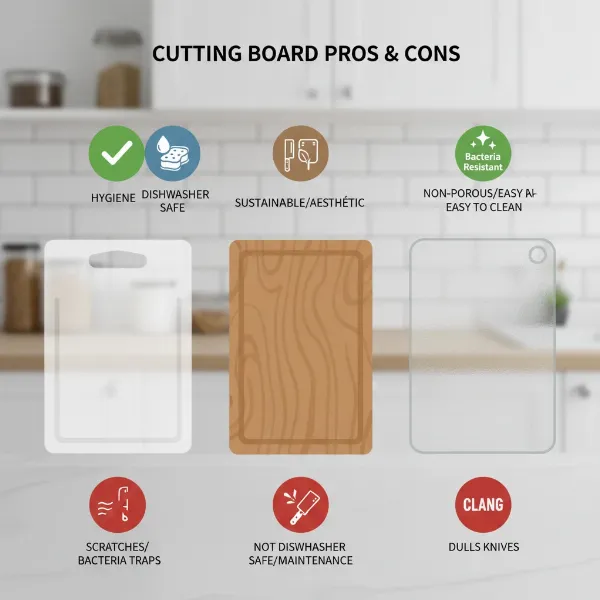
Plastic cutting boards, while indispensable for food preparation due to their hygiene and durability, present a specific organizational dilemma. Their flat, thin profiles make them prone to slipping and sliding when stacked horizontally. Unlike bulkier items, they lack the weight to stay put, leading to an untidy cabinet interior where boards often lean haphazardly against each other or fall out when you open the door. Furthermore, having multiple boards for different tasks—meat, vegetables, bread—means a collection that can quickly overwhelm limited cabinet space. The goal is to find solutions that keep them upright, separated, and within easy reach without taking over your entire kitchen.
Assessing Your Cabinet Space for Optimal Storage
Before diving into specific organization tools, take a moment to evaluate your available cabinet space. Understanding the dimensions and types of cabinets you have is the first step toward effective organization. Consider:
- Vertical Space: Do you have tall, narrow sections, perhaps above an oven or within a pantry cabinet, that could accommodate boards standing on their edge?
- Horizontal Space: Are there wide, shallow drawers or deep shelves that could house boards lying flat or within a dedicated organizer?
- Cabinet Door Interiors: The often-overlooked inside of cabinet doors can be prime real estate for hanging solutions, especially for frequently used boards.
A quick measure of these areas, along with the dimensions of your largest and smallest plastic cutting boards, will help you select the most suitable storage solutions.
Vertical Storage Solutions for Seamless Access
Vertical storage is often the most efficient way to store cutting boards, maximizing narrow spaces and preventing boards from stacking and toppling.
In-Cabinet Wire Organizers and Dividers
These popular tools are designed to create separate compartments within your existing cabinet shelves. They come in various sizes and configurations, often resembling a series of upright metal or plastic “fins.”
- Fixed Dividers: Some systems install permanently into your cabinet base or shelves, creating sturdy, dedicated slots for each board.
- Adjustable Organizers: More flexible options feature movable dividers, allowing you to customize the width of each slot to fit different board thicknesses. These are excellent for accommodating a mix of thin and thick plastic boards. Simply place them on a shelf, and they instantly transform a cluttered space into an organized one.
|
Our Picks for the Best Plastic cutting board in 2026
As an Amazon Associate I earn from qualifying purchases.
|
||
| Num | Product | Action |
|---|---|---|
| 1 | FARBERWARE Extra-Large Plastic Cutting Board, 15x20 Inch Dishwasher-Safe Chopping Board with Juice Groove, Non-Slip Surface, Durable, White |

|
| 2 | KitchenAid Classic Cutting Board with Perimeter Trench and Non Slip Edges, Dishwasher Safe, 11 inch x 14 inch, White and Gray |
|
| 3 | Extra Large Cutting Boards, Plastic Cutting Boards for Kitchen (Set of 3) Cutting Board Set Dishwasher Chopping Board with Juice Grooves Easy-Grip Handles, Dark Grey, Empune |
|
| 4 | GORILLA GRIP BPA-Free Reversible Kitchen Cutting Board Set of 3, US Designed, Nonporous, Juice Grooves Catch Liquid, Slip Resistant Border, Dishwasher Safe, Durable Large Food Chopping Boards, Black |
|
| 5 | OXO Good Grips Plastic Utility Cutting Board |
|
| 6 | Commercial Grade Plastic Cutting Board 18 x 12 x 1/2 Thick High Density White Poly, NSF Certified and Dishwasher Safe for Food Service |
|
| 7 | Farberware Large Cutting Board, Dishwasher- Safe Plastic Chopping Board for Kitchen with Easy Grip Handle, 11-inch by 14-inch, White |
|
| 8 | FARBERWARE Reversible Plastic Cutting Board, 8x10 Inch, White, Dishwasher Safe, Non-Porous and Durable for Chopping, Slicing, Prep, Easy to Store |
|
| 9 | Goodluck 5 Pieces Flexible Cutting Boards, BPA Free Plastic Cutting Boards for Kitchen, Non Slip Cutting Mat for Meat and Vegetables |
|
| 10 | THETCHRY Plastic Cutting Board Set of 3-Cutting Boards for Kitchen BPA Free, Large-Small Chopping Boards Non-Slip for Cooking Camping Dishwasher Safe, Reversible, with Grip Handle, 15"×10"×0.25" Green |
|
Repurposed Pot Lid Organizers
Don’t overlook the versatility of a pot lid organizer. Many are designed with U-shaped or straight dividers that are perfectly spaced to hold cutting boards vertically. These are often budget-friendly and can be found in a range of materials, from wire to bamboo. They can be placed inside a cabinet or even on a deep pantry shelf, making retrieval quick and effortless.
DIY Tension Rod Dividers
For a truly custom and inexpensive solution, tension rods can be your best friend. Install one or two tension rods horizontally between the sides of a cabinet, just above the shelf where your boards will sit. The boards can then lean against the rod, preventing them from sliding or falling. For added stability, you can use two rods placed a few inches apart to create a ‘channel’ for the boards. This method is particularly effective in wider cabinets where boards tend to spread out.
Harnessing Cabinet Doors and Walls for Storage
The back of cabinet doors and unused wall space can become powerful allies in your quest for organized plastic cutting boards, especially in smaller kitchens.
Over-Cabinet Door Racks
These ingenious devices simply hook over the top edge of your cabinet door, providing a hanging solution on the inside. Many designs feature multiple tiers or slots specifically shaped to cradle cutting boards. They are ideal for storing one or two frequently used boards, keeping them out of sight but instantly accessible. Look for models with soft padding on the hooks to prevent scratching your cabinet finish. This method is particularly useful under the sink or inside a pantry door, where space is often underutilized.
Adhesive Hooks or Rails
For lighter plastic cutting boards, especially those with a small hole for hanging, adhesive hooks or a slim rail with hooks can be a game-changer. These can be affixed to the inside of a cabinet door or even to a blank wall space near your prep area. Ensure the hooks are rated for the weight of your boards, and always clean the surface thoroughly before application for maximum adhesion.
Drawer Organization: Flat or Edge Storage
If you have wide, shallow drawers that aren’t being fully utilized, they can be an excellent home for your plastic cutting boards.
Dedicated Drawer Dividers
Similar to in-cabinet organizers, drawer dividers can create specific slots for cutting boards. Some are expandable, allowing you to customize the fit for your drawer. These keep boards neatly on their edge, preventing them from shifting around when the drawer is opened or closed.
Drawer Inserts for Flat Storage
For those who prefer to store boards flat, dedicated drawer inserts can keep them stacked neatly without slipping. Some inserts feature small pegs or raised sections that cradle each board, ensuring they stay in place. This method works well for very thin boards or for boards that are only used occasionally.
“Efficient kitchen organization isn’t just about tidiness; it’s about optimizing workflow and reducing daily stress. Every item should have a ‘home’ that makes it easy to find and return.” – Chef Elise Dubois, Culinary Efficiency Expert
Choosing the Right Organization Tool
Selecting the best organization solution depends on several factors:
- Cabinet Dimensions: Measure height, width, and depth.
- Board Size and Quantity: How many boards do you have, and how large are they?
- Budget: Simple wire racks are affordable, while custom inserts might be a larger investment.
- Aesthetics: Some solutions are designed to be hidden, others can be part of an open shelving look.
- Frequency of Use: Boards used daily should be the most accessible.
Consider a combination of solutions. Perhaps an over-door rack for your daily boards, and an in-cabinet vertical organizer for the rest.
Conclusion
Organizing your plastic cutting boards in cabinets doesn’t have to be a daunting task. By thoughtfully assessing your space and utilizing a combination of smart storage solutions—from vertical dividers and repurposed organizers to over-door racks and efficient drawer inserts—you can transform kitchen chaos into calm. The key is to create a dedicated home for each board, ensuring they are easily accessible, neatly stored, and no longer contributing to cabinet clutter. A well-organized kitchen not only looks better but also makes cooking and prep work more enjoyable and efficient. What small change will you make today to bring order to your cutting boards?
Frequently Asked Questions
How can I stop cutting boards from falling over in my cabinet?
To prevent cutting boards from toppling, utilize vertical storage solutions such as wire dividers, pot lid organizers, or tension rods installed inside your cabinet. These tools create individual slots that hold boards upright, keeping them stable and easily accessible.
What’s the best way to store multiple plastic cutting boards?
The most effective way to store multiple plastic cutting boards is by using vertical organizers that separate each board. This approach prevents them from sticking together or falling over, making it simple to grab just one board without disturbing the others.
Can I use the inside of my cabinet doors for cutting board storage?
Yes, the inside of cabinet doors is an excellent spot for storing cutting boards, especially with over-cabinet door racks. These hooks simply hang over the door, providing a convenient and out-of-sight location for one or two frequently used boards without taking up shelf space.
Are there any DIY solutions for organizing cutting boards in cabinets?
Absolutely! Simple and cost-effective DIY solutions include using tension rods to create custom vertical dividers within your cabinets or repurposing inexpensive magazine holders to stand boards upright on shelves or in deep drawers.
How do I store large plastic cutting boards in a small kitchen?
In a small kitchen, large plastic cutting boards can be stored vertically using a sturdy, floor-standing pot lid rack in an unused corner, or by mounting a wall rack if you have available wall space. Inside a pantry door with an over-door organizer designed for larger items can also work well.