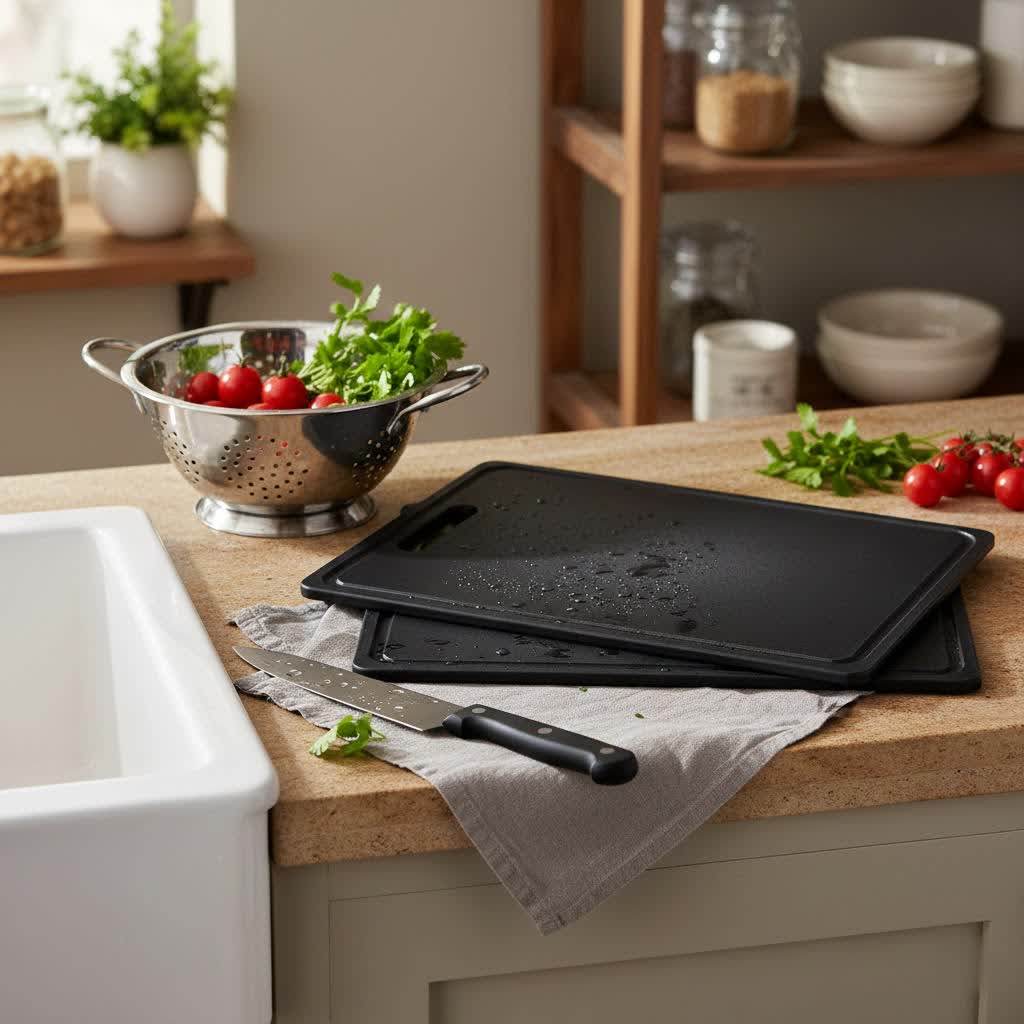
In every kitchen, the humble cutting board is a workhorse, a constant companion to your culinary adventures. But have you ever paused to consider what secrets it might hold, or what it could be adding to your food beyond fresh ingredients? The shift towards “BPA-free” cutting boards is more than just a marketing trend; it’s a critical step in safeguarding your health and enhancing your cooking environment. Understanding why this matters can transform your kitchen into a safer, more conscious space.
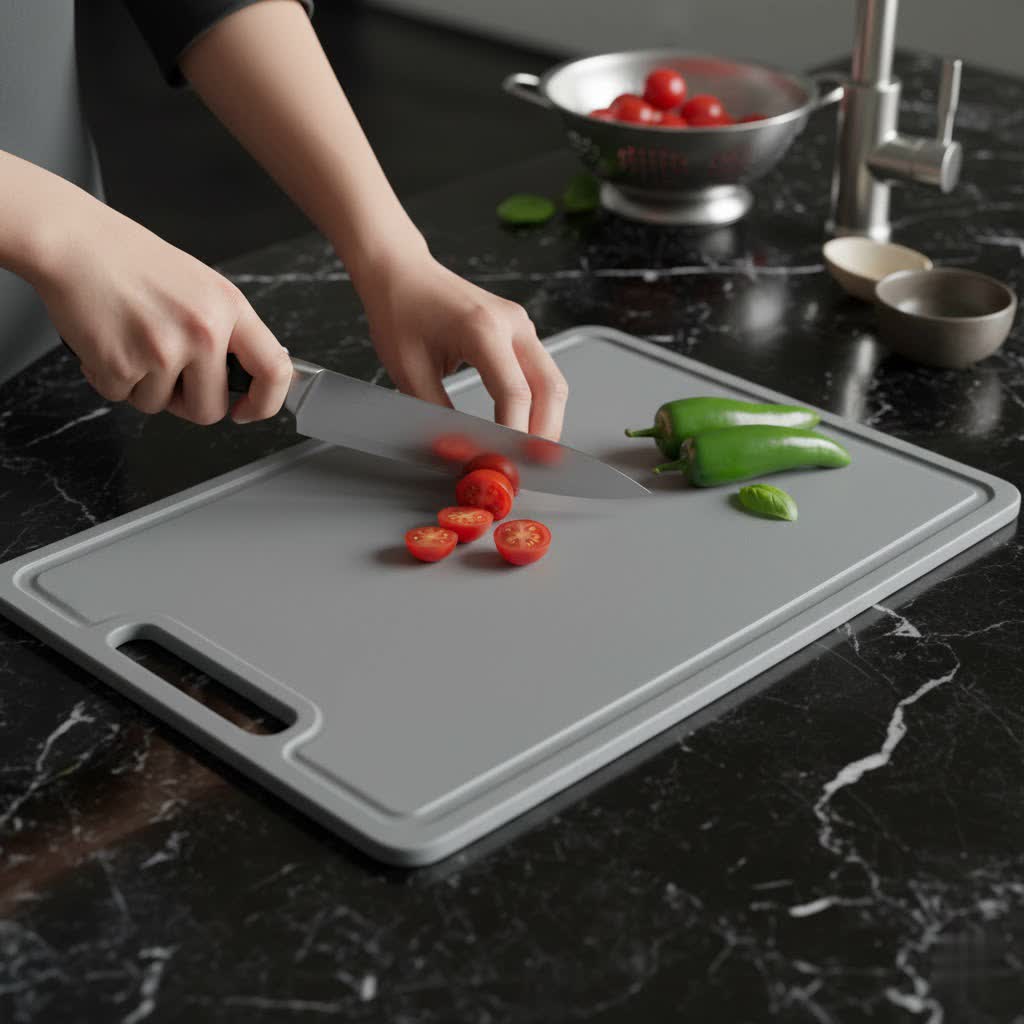
Choosing the right cutting board goes beyond aesthetic appeal or perceived convenience. It directly impacts the safety of your food, the longevity of your knives, and your family’s overall well-being. With growing awareness about potential toxins in kitchenware, many are seeking out alternatives to traditional plastic. This article will explore the often-overlooked implications of cutting board materials, delve into the health risks associated with certain plastics, and guide you toward making informed choices for a truly healthy kitchen.
Understanding BPA and Its Health Implications
What exactly is BPA, and why has it become such a significant concern in our daily lives? Bisphenol A (BPA) is an industrial chemical widely used since the 1950s in the production of hard plastics, known as polycarbonates, and epoxy resins. These materials are prized for their durability and versatility, making them common in everything from food storage containers and water bottles to the linings of metal food cans.
However, the concern arises when BPA leaches from these products into your food and beverages. This migration can accelerate under certain conditions, such as when plastics are heated (e.g., in a microwave or dishwasher), exposed to acidic foods, or simply through the wear and tear of repeated scrubbing and use. Once ingested, BPA is classified as an endocrine disruptor, meaning it can mimic or interfere with the body’s natural hormones, particularly estrogen. This disruption can have a cascade of adverse health effects, even at seemingly low doses.
Studies have linked prolonged BPA exposure to a range of serious health issues, including:
- Reproductive problems: Reduced fertility, hormonal imbalances, and complications during pregnancy.
- Developmental issues: Adverse effects on brain development, behavior, and the immune system in fetuses, infants, and children.
- Increased cancer risk: A higher likelihood of developing hormone-related cancers, such as breast and prostate cancer.
- Metabolic disorders: Possible links to increased blood pressure, type 2 diabetes, and cardiovascular disease.
While some regulatory bodies, like the U.S. Food and Drug Administration (FDA), maintain that BPA is safe at the very low levels found in some foods, many scientific organizations recommend limiting exposure, especially for vulnerable populations such as pregnant women, infants, and young children. This growing body of evidence highlights why a deeper look into the materials we use daily, like cutting boards, is essential.
Beyond “BPA-Free”: The Hidden Risks of Plastic Cutting Boards
The label “BPA-free” has become a common assurance on many plastic products, suggesting a safer alternative. However, it’s crucial to understand that “BPA-free” doesn’t necessarily equate to “plastic-free” or entirely non-toxic. The truth is more nuanced, as manufacturers often substitute BPA with similar chemical compounds, like Bisphenol S (BPS) or Bisphenol F (BPF). These alternatives, despite being structurally different enough to bypass “BPA-free” labeling, can still function as endocrine disruptors and pose similar health concerns.
Moreover, the issues with plastic cutting boards extend beyond bisphenols to a more pervasive problem: microplastics. Regardless of whether a plastic board contains BPA or its substitutes, every chop and slice on its surface can release tiny plastic particles, known as microplastics, into your food.
“This study highlights the varied health effects of MPs released from different cutting board materials, suggesting that no plastic cutting boards can be considered entirely ‘safe’.” – Environmental Health Perspectives research, March 2025.
These microscopic plastic fragments can cling to ingredients, especially moist or fatty foods, and are unknowingly ingested. Research indicates that certain plastics, such as polypropylene, can shed thousands of microplastic particles with each use, essentially “seasoning” your meal with unwanted materials. Once inside the body, microplastics accumulate, as the body has no natural way to break them down or eliminate them. Studies on mice have linked microplastic ingestion from cutting boards to intestinal inflammation, changes in gut microbiome, and liver metabolism issues. While the full extent of microplastic impact on human health is still under investigation, the evidence strongly suggests it’s a significant concern for long-term well-being.
Another often-cited advantage of plastic boards is their ease of cleaning and sanitation. However, as plastic boards develop knife grooves and cuts over time, these crevices can become breeding grounds for bacteria like Salmonella and E. coli, challenging effective sanitization even after dishwashing. This means that even seemingly clean plastic boards might harbor unseen contaminants, contributing to potential cross-contamination risks in your kitchen.
Exploring Safer Alternatives: Beyond Plastic
Given the concerns surrounding BPA and microplastics in plastic cutting boards, many home cooks and professional chefs are turning to alternative materials. The good news is that there are several excellent non-toxic options available, each with its own set of advantages and considerations.
Wooden Cutting Boards
Wooden cutting boards have been a kitchen staple for centuries, and for good reason. They offer a blend of aesthetic appeal and functional benefits that make them a top choice for health-conscious individuals.
- Pros:
- Natural Antimicrobial Properties: Contrary to popular belief, certain hardwoods possess natural antimicrobial properties. Bacteria that settle on the surface or sink into the wood fibers are unable to multiply and eventually die.
- Knife-Friendly: Wood is much gentler on knife edges compared to harder materials, helping to maintain their sharpness and prolong their lifespan.
- Durability and Aesthetics: High-quality hardwoods like maple, walnut, and cherry are incredibly durable and develop a beautiful patina over time.
- Cons:
- Porous: Wood is a porous material, meaning it can absorb liquids and odors if not properly cared for.
- Maintenance: Requires regular oiling (with food-grade mineral oil) to prevent drying, cracking, and maintain hygiene. Not typically dishwasher-safe.
- Weight: Can be heavier and more cumbersome than plastic boards.
|
Our Picks for the Best Plastic cutting board in 2026
As an Amazon Associate I earn from qualifying purchases.
|
||
| Num | Product | Action |
|---|---|---|
| 1 | THETCHRY Plastic Cutting Board Set of 3-Cutting Boards for Kitchen BPA Free, Large-Small Chopping Boards Non-Slip for Cooking Camping Dishwasher Safe, Reversible, with Grip Handle, 15"×10"×0.25" Green |

|
| 2 | Commercial Grade Plastic Cutting Board 18 x 12 x 1/2 Thick High Density White Poly, NSF Certified and Dishwasher Safe for Food Service |
|
| 3 | KitchenAid Classic Cutting Board with Perimeter Trench and Non Slip Edges, Dishwasher Safe, 11 inch x 14 inch, White and Gray |
|
| 4 | Goodluck 5 Pieces Flexible Cutting Boards, BPA Free Plastic Cutting Boards for Kitchen, Non Slip Cutting Mat for Meat and Vegetables |
|
| 5 | FARBERWARE Reversible Plastic Cutting Board, 8x10 Inch, White, Dishwasher Safe, Non-Porous and Durable for Chopping, Slicing, Prep, Easy to Store |
|
| 6 | OXO Good Grips Plastic Utility Cutting Board |
|
| 7 | GORILLA GRIP BPA-Free Reversible Kitchen Cutting Board Set of 3, US Designed, Nonporous, Juice Grooves Catch Liquid, Slip Resistant Border, Dishwasher Safe, Durable Large Food Chopping Boards, Black |
|
| 8 | FARBERWARE Extra-Large Plastic Cutting Board, 15x20 Inch Dishwasher-Safe Chopping Board with Juice Groove, Non-Slip Surface, Durable, White |
|
| 9 | Extra Large Cutting Boards, Plastic Cutting Boards for Kitchen (Set of 3) Cutting Board Set Dishwasher Chopping Board with Juice Grooves Easy-Grip Handles, Dark Grey, Empune |
|
| 10 | Farberware Large Cutting Board, Dishwasher- Safe Plastic Chopping Board for Kitchen with Easy Grip Handle, 11-inch by 14-inch, White |
|
Best Wood Choices: Look for hardwoods with tight grains, such as maple, walnut, cherry, and teak. These woods are preferred for their strength, longevity, and natural resistance to bacteria.
Bamboo Cutting Boards
Bamboo is often touted as an eco-friendly alternative due to its rapid growth and sustainability. It shares some similarities with wood but comes with specific considerations.
- Pros:
- Sustainable: A fast-growing grass, making it a highly renewable resource.
- Hardness: Generally harder than many woods, offering a durable surface.
- Knife-Friendly: Still relatively gentle on knives compared to glass or stone.
- Cons:
- Adhesives: Many bamboo boards are made from smaller strips glued together. The glues and resins used can sometimes contain BPA, formaldehyde, or other harmful chemicals if the sourcing and manufacturing processes lack transparency. It’s essential to research brands and look for those that explicitly state the use of non-toxic, food-grade adhesives.
Composite Cutting Boards
These boards are typically made from a blend of recycled paper fibers or wood pulp and a food-safe resin.
- Pros:
- Durable: Often very robust and resistant to warping and cracking.
- Dishwasher-Safe: Many composite boards are dishwasher-safe, offering a convenience similar to plastic without the microplastic concerns.
- Knife-Friendly: Generally kind to knives.
- Cons:
- Composition: Ensure the resins used are truly non-toxic and free from harmful chemicals.
Natural Rubber Cutting Boards
Natural rubber boards are gaining popularity as a safe and practical option.
- Pros:
- Gentle on Knives: Excellent for knife preservation due to their resilient surface.
- Non-Toxic: Made from natural materials, free from plastics and harmful chemicals.
- Durable: Can withstand heavy use.
- Cons:
- Cost: Often more expensive than conventional plastic or wood boards.
Other Materials: Glass, Stainless Steel, Titanium
While these materials are highly non-porous and hygienic, they come with significant drawbacks for everyday cutting tasks.
- Glass/Ceramic: Extremely non-porous and easy to sanitize, but they are incredibly hard on knife blades, dulling them very quickly. They are better suited for serving than active chopping.
- Stainless Steel/Titanium: Offer extreme durability and hygiene, being completely non-porous and non-toxic. However, like glass, they are very hard on knives and can be quite expensive.
Guide to Choosing a Healthier Cutting Board
Selecting the ideal cutting board involves considering several factors beyond just “BPA-free.” To ensure you’re making the best choice for your health and cooking needs, keep the following in mind:
Material Matters Most
- Prioritize Wood: Opt for hardwoods like maple, walnut, cherry, or teak. These are naturally knife-friendly and possess inherent antimicrobial properties. Look for certifications like Forest Stewardship Council (FSC) to ensure sustainable sourcing.
- Consider Natural Rubber: An excellent, resilient, and non-toxic choice that is kind to your knives.
- If Opting for Plastic (with Caution): While overall plastic boards are not recommended due to microplastic shedding, if you must choose plastic, look for those specifically made from High-Density Polyethylene (HDPE). HDPE is FDA-approved for direct food contact and generally less prone to shedding microplastics than other plastics like polypropylene. Crucially, understand that even HDPE boards will eventually shed microplastics with use.
- Avoid Unknown Composites/Bamboo: If the manufacturer isn’t transparent about the glues and resins used, steer clear, as these can harbor hidden toxins like formaldehyde or other bisphenols.
Beyond the “BPA-Free” Label
Be wary of products that simply state “BPA-free” without detailing the actual plastic composition. This label alone does not guarantee the absence of other potentially harmful bisphenols (like BPS or BPF) or the prevention of microplastic shedding. Focus on the overall material safety and transparency from the brand.
Size and Thickness for Your Needs
- Size: Choose a board that comfortably fits your counter space and accommodates the volume of food you typically prepare. Having a few different sizes can be beneficial.
- Thickness: Thicker boards generally offer more stability, durability, and resistance to warping, especially for heavy chopping tasks. A board at least 1.5 inches thick is often recommended for robust use.
Reputable Brands and Certifications
Investing in boards from well-known, transparent brands with a commitment to non-toxic materials is wise. Look for certifications such as:
- FSC (Forest Stewardship Council): For wooden products, indicating responsibly managed forests.
- FDA Certified: For plastics intended for food contact.
- NSF International: A certification for public health and safety, often seen in commercial kitchen products.
Top Picks: Healthier Cutting Board Options
Choosing a cutting board is a personal decision, but based on health, performance, and durability, here are categories for top-rated, safer alternatives:
- For the Traditionalist & Knife Enthusiast: Hardwood End-Grain Boards (Maple, Walnut, Cherry)
- Why: Exceptional durability, self-healing properties that are gentle on knives, and natural antimicrobial benefits. Brands like John Boos & Co. are highly regarded.
- Considerations: Higher initial cost, requires regular oiling.
- For Everyday Versatility & Easy Care: High-Quality Natural Rubber Boards
- Why: Extremely durable, kind to knives, non-porous for easier cleaning, and inherently non-toxic.
- Considerations: Can be heavier, may not always be as aesthetically varied as wood.
- For the Eco-Conscious & Dishwasher-Friendly: Certified Paper/Wood Fiber Composites
- Why: Made from sustainable materials, often dishwasher-safe, and highly resistant to stains and warping. Brands like Epicurean are popular.
- Considerations: Ensure the bonding resins are explicitly food-safe and non-toxic.
- For Specific Tasks (e.g., Raw Meat segregation): HDPE Plastic (with careful replacement)
- Why: While generally not recommended for overall kitchen use due to microplastics, if strict segregation for raw meats and ease of sanitization is paramount in a professional setting, HDPE can be an option if replaced frequently as grooves develop. Look for boards that explicitly state HDPE, not just “BPA-free.”
Proper Care and Maintenance for Longevity and Hygiene
Even the safest cutting board needs diligent care to remain hygienic and extend its lifespan. Proper cleaning and maintenance are key to preventing bacterial growth and ensuring your board remains a healthy surface for food preparation.
Cleaning After Each Use
- Immediate Wash: Always wash your cutting board immediately after each use with hot water and mild dish soap. This prevents food particles from drying and bacteria from multiplying.
- Scrub Thoroughly: Use a brush or sponge to scrub the entire surface, paying close attention to any knife marks or grooves where bacteria might hide.
Sanitization Practices
- Wooden Boards: For deeper sanitization, you can periodically wipe wooden boards with a solution of white vinegar (diluted or undiluted) or hydrogen peroxide. Allow it to sit for a few minutes before rinsing and drying.
- Non-Porous Materials (Rubber, Composite, HDPE): These can often be disinfected with a diluted bleach solution (1 teaspoon bleach per quart of water) or a food-safe sanitizing spray. Always rinse thoroughly afterward.
- Dishwasher-Safe Options: If your board is explicitly labeled as dishwasher-safe (like many composites or certain HDPE plastics), using the hot cycle can aid in sanitization.
Drying and Storage
- Air Dry Completely: This is one of the most critical steps, especially for wooden and bamboo boards. Moisture is a breeding ground for bacteria and can lead to warping or cracking. Stand the board upright or use a drying rack to allow air circulation on all sides.
- Store in a Dry, Cool Place: Once completely dry, store your cutting board in a well-ventilated area, away from excessive heat or moisture.
Maintaining Wooden Boards
- Regular Oiling: Wooden boards need to be conditioned regularly with food-grade mineral oil or a wood butter. This prevents the wood from drying out, cracking, and helps create a barrier against moisture and bacteria. Oil your board monthly, or more frequently if it sees heavy use or appears dry.
When to Replace Your Board
No matter the material, cutting boards don’t last forever. Replace any board that develops deep, irreparable knife grooves, significant warping, or discolaration, as these signs indicate it’s no longer a hygienic surface.
Conclusion
The choices we make in our kitchens resonate far beyond the meals we prepare; they impact our long-term health. Understanding the risks associated with BPA, other bisphenols, and the pervasive problem of microplastics in traditional plastic cutting boards empowers you to make safer decisions. While the “BPA-free” label is a step in the right direction, it’s just the beginning of truly creating a non-toxic cooking environment.
By opting for high-quality alternatives like durable hardwoods, natural rubber, or certified composites, and by committing to proper care and maintenance, you can significantly reduce your exposure to harmful chemicals and microplastics. These conscious choices not only protect your health but also support sustainable practices.
Are you ready to transform your kitchen into a healthier, more mindful space? The journey starts with your cutting board.