Step into any bustling professional kitchen, and you’ll immediately notice a vibrant array of plastic cutting boards. This isn’t just for aesthetic appeal; it’s a meticulously planned system, a silent guardian ensuring the highest standards of food safety and operational efficiency. For anyone who has navigated the complexities of food preparation, understanding the critical role these color-coded plastic boards play is paramount. As an expert with over a decade immersed in plastic cutting board technology, I’ve seen firsthand how this simple yet ingenious system transforms raw ingredients into safe, delicious meals, preventing unseen hazards from reaching your plate.
The Unseen Threat: Why Cross-Contamination Matters
At the heart of the color-coding system lies a fundamental principle of food safety: preventing cross-contamination. Imagine preparing a fresh salad on the same surface where raw chicken was just handled. Without proper precautions, harmful bacteria like Salmonella or E. coli from the poultry could easily transfer to the ready-to-eat vegetables, leading to foodborne illnesses. This invisible threat is a constant concern in any kitchen, but especially in professional settings where high volumes of diverse ingredients are processed daily.
Cross-contamination isn’t limited to bacteria; allergens pose another significant risk. A tiny residue of nuts or seafood on a board could trigger a severe allergic reaction in a sensitive individual. Color-coded plastic cutting boards act as a clear, visual barrier, immediately signaling which board is designated for which food group, thereby dramatically reducing the chance of accidental transfer of pathogens and allergens. This system provides a clear framework for kitchen staff, minimizing human error in fast-paced environments and safeguarding public health.
Decoding the Palette: Standard Color Codes and Their Uses
The beauty of the color-coding system lies in its universal recognition, allowing chefs and food handlers globally to understand and implement these safety protocols with ease. While minor regional variations might exist, a standard set of colors is widely adopted across the professional culinary world, each assigned to a specific food category.
Let’s break down the common color codes and their vital roles:
- Red: Raw Meat. This vibrant color is dedicated exclusively to raw red meats such as beef, lamb, and pork. Its distinctiveness immediately flags the potential presence of pathogens, ensuring that no other food items, particularly cooked ones, come into contact with the board.
- Yellow: Raw Poultry. Separating raw poultry from other meats is crucial due to unique bacterial risks. Yellow boards are reserved for handling raw chicken, turkey, and other fowl, preventing the spread of contaminants specific to poultry.
- Blue: Raw Fish and Seafood. Seafood has its own set of considerations, and blue cutting boards are designated for all raw fish and shellfish. This helps mitigate the risk of transferring marine-borne bacteria or common seafood allergens.
- Green: Fresh Fruits and Vegetables. The color green naturally aligns with fresh produce. These boards are used for preparing fruits, vegetables, and salads that will often be consumed raw, minimizing exposure to contaminants from raw animal products.
- White: Dairy and Baked Goods. White cutting boards serve as a clean canvas for dairy products like cheese and butter, as well as for baked goods such as bread and pastries. This separation helps prevent flavor transfer and keeps these ready-to-eat items pristine.
- Brown: Cooked Meats and Root Vegetables. While some systems assign brown specifically to cooked meats, it can also be used for root vegetables that may carry soil residue, like potatoes and carrots. This designation ensures cooked items are kept separate from raw preparations, and heavily soiled items are managed appropriately.
- Purple: Allergen-Free / “Free-From” Foods. A more recent, but increasingly critical, addition to the color-coding family, purple boards are designated for preparing specific allergen-free or “free-from” meals. This is invaluable for guests with severe allergies to gluten, nuts, or other ingredients, offering an extra layer of protection and peace of mind.
Each color acts as an instant visual cue, making it almost impossible for a busy chef to grab the wrong board. This systematic approach is an integral component of any robust food safety management system, often aligned with HACCP (Hazard Analysis and Critical Control Points) principles.
Beyond Safety: Operational Benefits for Professional Kitchens
While food safety is undeniably the primary driver, color-coded plastic cutting boards offer a suite of operational advantages that significantly enhance kitchen efficiency and organization. In the high-pressure environment of a professional kitchen, every second counts, and clarity is king.
- Streamlined Workflow: The clear visual distinction allows staff to quickly identify and select the correct board for their task, reducing hesitation and speeding up prep times. There’s no need to stop and think; the color guides the choice instantly.
- Improved Training and Compliance: New kitchen staff can be trained rapidly on proper food handling protocols when the system is so visually intuitive. Wall charts displaying the color code further reinforce the rules, leading to higher compliance rates and a consistently safer working environment.
- Enhanced Organization: A designated place for each color board ensures a tidy and well-organized workspace. This not only looks more professional but also contributes to a smoother, less chaotic workflow, minimizing clutter and improving overall kitchen hygiene.
- Cost-Effectiveness in the Long Run: By preventing foodborne illness outbreaks, kitchens avoid potential health department fines, reputational damage, and costly lawsuits. The relatively small investment in a set of color-coded boards pales in comparison to the potential expenses of a food safety incident.
- Professional Image and Customer Confidence: When customers see a kitchen that clearly adheres to such high standards of safety and organization, it instills confidence. This dedication to food hygiene reflects positively on the establishment’s reputation, attracting and retaining clientele who value health and quality.
Why Plastic Reigns Supreme for Color-Coded Systems
When it comes to color-coded cutting boards, plastic is the material of choice for professional kitchens, and for good reason. My decade of experience with various cutting board materials highlights why plastic, particularly high-density polyethylene (HDPE), stands out from alternatives like wood, bamboo, or glass.
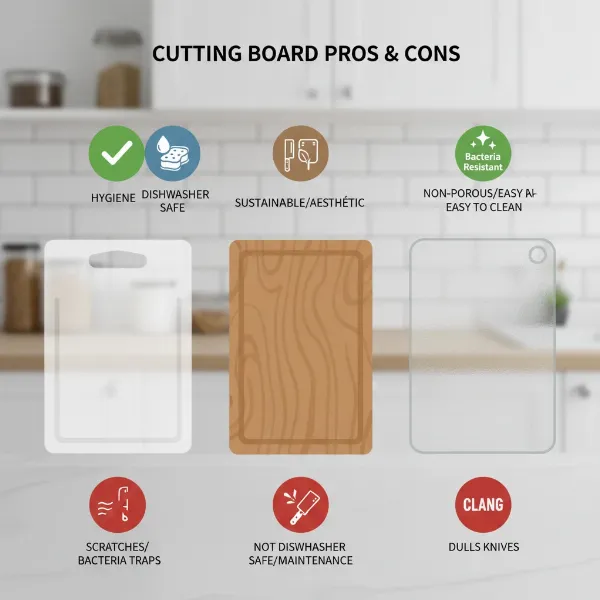
- Non-Absorbent and Hygienic: Unlike porous materials such as wood, plastic does not absorb liquids, juices, or odors. This non-porous surface significantly inhibits bacterial growth, making plastic inherently more hygienic. It prevents pathogens from seeping into the board and becoming difficult to remove, even with thorough cleaning.
- Durability for Heavy Use: Professional kitchens demand equipment that can withstand constant, rigorous use. HDPE plastic boards are incredibly durable and resilient, resisting cracking, warping, and splintering, even after countless chopping cycles and high-temperature washes.
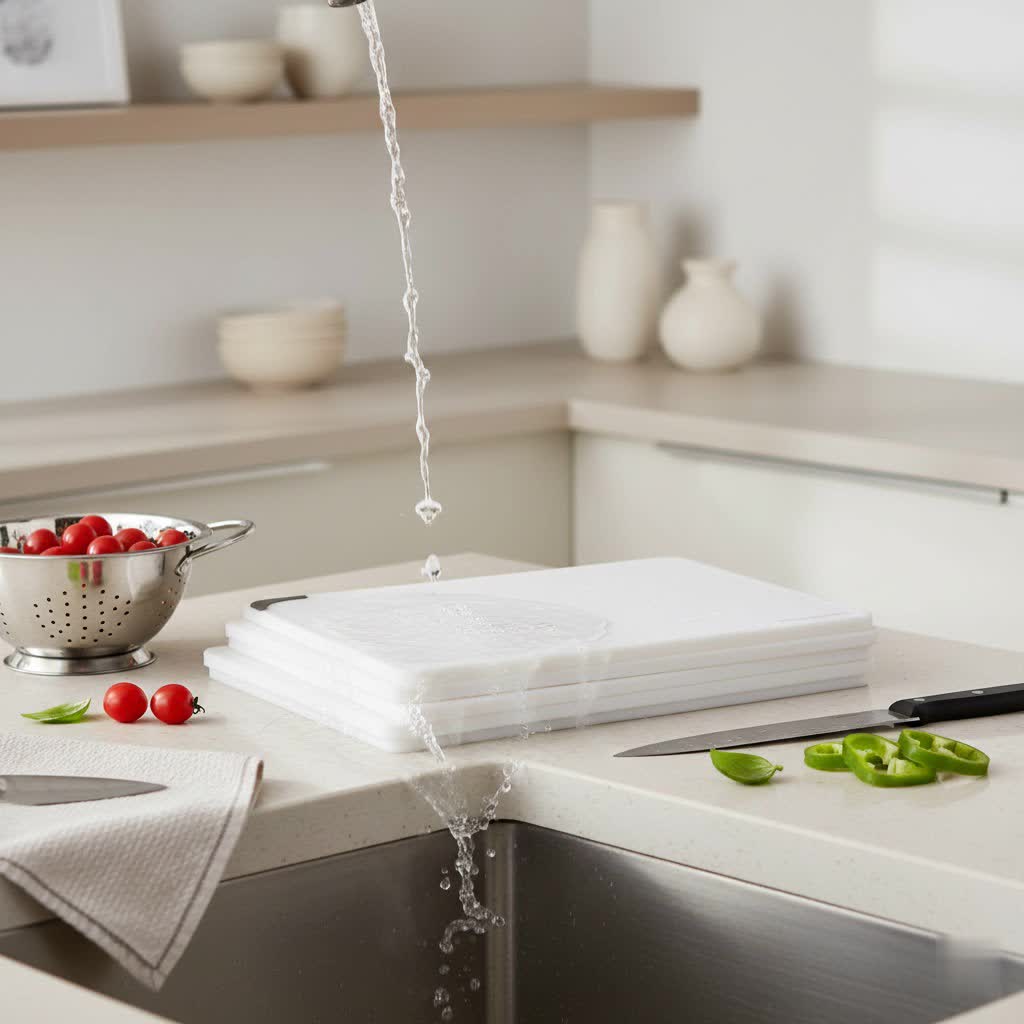
- Ease of Cleaning and Sanitization: Plastic cutting boards are typically dishwasher-safe, allowing for thorough cleaning and sanitization at high temperatures, which is critical for eliminating bacteria. Their smooth surface also makes manual washing simple and effective.
- Ability to be Color-Coded: Perhaps the most obvious advantage in this context is plastic’s ability to be dyed in a wide spectrum of bright, distinct colors. This makes the color-coding system immediately effective and visually impactful, which is not easily achievable with natural materials.
- Knife-Friendly Surface: While plastic is tougher than some materials, quality HDPE provides a surface that offers a good balance: it’s durable enough to handle cutting while being sufficiently forgiving on knife edges to prevent excessive dulling.
“In the high-stakes world of commercial kitchens, the non-porous nature and vibrant color-coding capability of plastic boards make them indispensable for maintaining peak hygiene and operational clarity.” – Dr. Elena Petrova, Food Safety Consultant
However, it’s crucial to acknowledge that plastic boards, like any cutting surface, will eventually show wear and tear. Deep grooves and cuts can form over time, which can harbor bacteria even after cleaning. This brings us to the importance of proper maintenance and timely replacement.
Implementing a Robust System: Choosing and Maintaining Your Color-Coded Boards
To truly leverage the benefits of color-coded plastic cutting boards, professional kitchens must not only adopt the system but also ensure its proper implementation and ongoing maintenance.
Key Factors When Choosing Your Boards:
- Material Quality (BPA-Free): Always opt for food-grade HDPE plastic that is certified BPA-free. High-quality plastic ensures safety, durability, and a surface that performs consistently without leaching harmful chemicals.
- Size and Thickness: Select boards appropriate for the tasks at hand. Larger, thicker boards are ideal for heavy-duty butchery, while smaller, thinner boards might be better for quick prep of fruits and vegetables. Thicker boards tend to be more durable and resistant to warping.
- Non-Slip Features: Look for boards with non-slip feet or textured surfaces to ensure stability during use, preventing dangerous slips and accidents.
- Reputable Brands: Invest in boards from trusted manufacturers known for producing high-quality, durable, and food-safe kitchen equipment. This ensures consistency in material and adherence to safety standards.
|
Our Picks for the Best Plastic cutting board in 2026
As an Amazon Associate I earn from qualifying purchases.
|
||
| Num | Product | Action |
|---|---|---|
| 1 | KitchenAid Classic Cutting Board with Perimeter Trench and Non Slip Edges, Dishwasher Safe, 11 inch x 14 inch, White and Gray |

|
| 2 | THETCHRY Plastic Cutting Board Set of 3-Cutting Boards for Kitchen BPA Free, Large-Small Chopping Boards Non-Slip for Cooking Camping Dishwasher Safe, Reversible, with Grip Handle, 15"×10"×0.25" Green |
|
| 3 | Farberware Large Cutting Board, Dishwasher- Safe Plastic Chopping Board for Kitchen with Easy Grip Handle, 11-inch by 14-inch, White |
|
| 4 | Extra Large Cutting Boards, Plastic Cutting Boards for Kitchen (Set of 3) Cutting Board Set Dishwasher Chopping Board with Juice Grooves Easy-Grip Handles, Dark Grey, Empune |
|
| 5 | GORILLA GRIP BPA-Free Reversible Kitchen Cutting Board Set of 3, US Designed, Nonporous, Juice Grooves Catch Liquid, Slip Resistant Border, Dishwasher Safe, Durable Large Food Chopping Boards, Black |
|
| 6 | Goodluck 5 Pieces Flexible Cutting Boards, BPA Free Plastic Cutting Boards for Kitchen, Non Slip Cutting Mat for Meat and Vegetables |
|
| 7 | FARBERWARE Extra-Large Plastic Cutting Board, 15x20 Inch Dishwasher-Safe Chopping Board with Juice Groove, Non-Slip Surface, Durable, White |
|
| 8 | Commercial Grade Plastic Cutting Board 18 x 12 x 1/2 Thick High Density White Poly, NSF Certified and Dishwasher Safe for Food Service |
|
| 9 | OXO Good Grips Plastic Utility Cutting Board |
|
| 10 | FARBERWARE Reversible Plastic Cutting Board, 8x10 Inch, White, Dishwasher Safe, Non-Porous and Durable for Chopping, Slicing, Prep, Easy to Store |
|
Essential Cleaning and Maintenance Protocols:
- Immediate Cleaning: All boards must be thoroughly washed and sanitized immediately after each use, especially when switching between different food groups.
- Dishwasher Sanitization: Whenever possible, run plastic boards through a commercial dishwasher at high temperatures to ensure complete sanitization.
- Regular Inspection: Routinely inspect boards for deep grooves, cuts, or excessive wear. These imperfections can harbor bacteria and become difficult to clean effectively.
- Timely Replacement: Replace any damaged boards promptly. This is a non-negotiable step in maintaining a truly hygienic system. Old, deeply scarred boards undermine the entire purpose of color-coding.
- Proper Storage: Store boards upright on a rack, allowing them to air dry completely. This prevents moisture buildup and discourages bacterial growth.
Top Picks: Essential Color-Coded Plastic Cutting Board Systems
While specific product recommendations are outside the scope of general guidance, identifying the characteristics of a top-tier color-coded plastic cutting board system is vital for any professional kitchen manager.
A high-quality system will typically include:
- A Full Spectrum of Colors: Ensuring all major food groups and allergen considerations are covered.
- Consistent Material and Durability: All boards within the set should be made from the same high-grade, food-safe HDPE, designed for heavy commercial use.
- Standardized Sizing: Offering a range of sizes that stack or store efficiently, accommodating different tasks and kitchen layouts.
- Ease of Identification and Access: Often accompanied by a sturdy storage rack that keeps boards separate, dry, and easily accessible while preventing cross-contact even when stored.
- Compliance with Industry Standards: Boards that meet or exceed food safety regulations and are clearly marked for their intended use.
Prioritizing these features when procuring color-coded plastic cutting board sets ensures not only compliance but also a long-lasting, effective solution for kitchen safety and efficiency.
Conclusion
The adoption of color-coded plastic cutting boards in professional kitchens is far more than a trend; it’s a fundamental pillar of modern food safety and operational excellence. By creating a clear visual language for food preparation, these boards are instrumental in preventing the dangerous spread of bacteria and allergens, thereby protecting consumers and upholding the reputation of food establishments. The inherent advantages of plastic—its hygiene, durability, and adaptability to vibrant colors—make it the ideal material for this critical system.
From the rigorous demands of a Michelin-starred restaurant to the careful preparations in a bustling cafeteria, the discipline of color coding simplifies complex food safety challenges into an easily understood, actionable process. Are you ready to elevate your kitchen’s safety and efficiency to professional standards?