Tomato sauce – a culinary delight that sadly leaves behind a notorious calling card: vibrant orange-red stains on your beloved plastic containers. Whether it’s your trusty food storage boxes, blender parts, or even plastic cutting boards, these stubborn marks can make them look unappealing and aged. But don’t despair! With the right techniques and a little know-how, you can reclaim your plasticware and restore its pristine appearance. This comprehensive guide will walk you through the most effective methods to eliminate those unsightly tomato sauce stains, ensuring your plastic items remain fresh and ready for their next culinary adventure.
Understanding Why Tomato Sauce Stains Plastic
Before diving into cleaning methods, it’s helpful to understand why tomato sauce is such a persistent stainer. The vibrant red color in tomatoes comes from a pigment called lycopene. Lycopene is an oil-soluble carotenoid, meaning it easily dissolves in fats and oils. Plastic, being a porous material, often has microscopic crevices and a slight oily residue on its surface that readily absorbs these oil-soluble pigments. When heated, like in a microwave, the plastic expands, making it even more susceptible to absorbing the lycopene and setting the stain deeper into the material. This is why microwaving leftover pasta with tomato sauce often results in the most stubborn stains.
Essential Cleaning Methods for Tomato Sauce Stains
Tackling tomato sauce stains on plastic requires a multi-pronged approach, ranging from simple household remedies to more specialized solutions. The key is often patience and choosing the right method for the severity of the stain.
The Power of Sunlight: Nature’s Bleach
One of the most surprising and effective methods for removing tomato sauce stains, particularly from clear or lightly colored plastic, is direct sunlight. UV rays act as a natural bleaching agent, breaking down the lycopene pigment without damaging the plastic.
- Method: After washing the stained plasticware with soap and water, place the items outside in direct sunlight. Position them so the stained areas receive maximum sun exposure.
- Duration: Depending on the stain’s severity and the sun’s intensity, this can take a few hours to a full day. For very deep stains, repeat the process.
- Best For: Food storage containers, plastic dishes, clear plastic items.
- Pro Tip: If you live in a colder climate or it’s winter, placing the items near a sunny window can also work, though it may take longer.
|
Our Picks for the Best Plastic cutting board in 2026
As an Amazon Associate I earn from qualifying purchases.
|
||
| Num | Product | Action |
|---|---|---|
| 1 | THETCHRY Plastic Cutting Board Set of 3-Cutting Boards for Kitchen BPA Free, Large-Small Chopping Boards Non-Slip for Cooking Camping Dishwasher Safe, Reversible, with Grip Handle, 15"×10"×0.25" Green |

|
| 2 | Commercial Grade Plastic Cutting Board 18 x 12 x 1/2 Thick High Density White Poly, NSF Certified and Dishwasher Safe for Food Service |
|
| 3 | GORILLA GRIP BPA-Free Reversible Kitchen Cutting Board Set of 3, US Designed, Nonporous, Juice Grooves Catch Liquid, Slip Resistant Border, Dishwasher Safe, Durable Large Food Chopping Boards, Black |
|
| 4 | FARBERWARE Extra-Large Plastic Cutting Board, 15x20 Inch Dishwasher-Safe Chopping Board with Juice Groove, Non-Slip Surface, Durable, White |
|
| 5 | FARBERWARE Reversible Plastic Cutting Board, 8x10 Inch, White, Dishwasher Safe, Non-Porous and Durable for Chopping, Slicing, Prep, Easy to Store |
|
| 6 | KitchenAid Classic Cutting Board with Perimeter Trench and Non Slip Edges, Dishwasher Safe, 11 inch x 14 inch, White and Gray |
|
| 7 | Farberware Large Cutting Board, Dishwasher- Safe Plastic Chopping Board for Kitchen with Easy Grip Handle, 11-inch by 14-inch, White |
|
| 8 | OXO Good Grips Plastic Utility Cutting Board |
|
| 9 | Extra Large Cutting Boards, Plastic Cutting Boards for Kitchen (Set of 3) Cutting Board Set Dishwasher Chopping Board with Juice Grooves Easy-Grip Handles, Dark Grey, Empune |
|
| 10 | Goodluck 5 Pieces Flexible Cutting Boards, BPA Free Plastic Cutting Boards for Kitchen, Non Slip Cutting Mat for Meat and Vegetables |
|
Dish Soap and Hot Water: The First Line of Defense
For fresh or lighter stains, a good old-fashioned scrub with dish soap and hot water can often do the trick. The hot water helps to expand the plastic, allowing the soap to penetrate and lift the oil-based pigment.
- Method: Fill the stained container with hot water and a generous squirt of dish soap. Let it sit for at least an hour, or even overnight. Then, scrub vigorously with a non-abrasive sponge or brush.
- Best For: Newly stained items, light discoloration.
- Why it works: The detergents in dish soap are designed to break down fats and oils, which carry the lycopene pigment.
Baking Soda Paste: A Gentle Abrasive
Baking soda is a versatile household cleaner known for its mild abrasive properties and deodorizing capabilities. It’s excellent for gently scrubbing away stains without scratching the plastic.
- Method: Create a thick paste by mixing baking soda with a small amount of water. Apply the paste generously to the stained areas and let it sit for at least 30 minutes, or longer for tougher stains. Then, scrub with a damp cloth or sponge in circular motions and rinse thoroughly.
- Best For: All types of plastic, including cutting boards and dark-colored containers where sunlight isn’t as effective.
- Expert Insight: “Baking soda’s crystalline structure allows it to physically lift stains, while its alkaline nature helps neutralize acidic residues, making it a powerful yet safe cleaning agent for plastic.”
Lemon Juice or White Vinegar: Acidic Attack
The natural acidity of lemon juice and white vinegar can be effective in breaking down and bleaching tomato sauce stains. These are natural, food-safe options.
- Lemon Juice Method: Squeeze fresh lemon juice directly onto the stain or rub a lemon wedge over it. Let it sit for 15-30 minutes, then rinse and wash.
- White Vinegar Method: Fill the stained container with a 1:1 mixture of white vinegar and water. Let it soak for several hours or overnight. For tougher stains, you can also add a tablespoon of baking soda to the vinegar solution (it will fizz, so be careful not to overfill).
- Best For: Light to moderate stains, deodorizing plastic.
- Note: Always rinse thoroughly after using acidic solutions to prevent any lingering taste or smell.
Bleach Solution: The Heavy Hitter (Use with Caution)
For extremely stubborn and deeply set stains on light-colored or clear plastic, a diluted bleach solution can be highly effective. However, this should be used as a last resort and with extreme caution, as bleach can damage some plastics over time and is not food-safe.
- Method: Mix 1 tablespoon of liquid bleach with 1 cup of water. Pour the solution into the stained container and let it sit for no more than 30 minutes. Rinse multiple times with clean water, then wash thoroughly with dish soap.
- Important Safety Note: Never mix bleach with other cleaners, especially ammonia-based products, as this can create dangerous fumes. Ensure good ventilation. Always wear gloves. This method is generally not recommended for plastic that will come into direct contact with food again unless thoroughly rinsed and washed.
- Best For: Extremely tough stains on plastic items not intended for immediate food contact after treatment, or if you can ensure thorough rinsing.
Commercial Stain Removers: Specialized Solutions
Several commercial products are designed specifically for removing stains from plasticware. These often contain mild abrasives or oxygen-based bleaching agents.
- Method: Follow the manufacturer’s instructions carefully. These products typically involve soaking or scrubbing with the solution.
- Brands to Look For: Products marketed for plastic container stain removal.
- Considerations: Always check if the product is food-safe and suitable for the type of plastic you are cleaning.
A Comparative Look at Stain Removal Methods
| Method | Effectiveness for Tomato Stains | Safety (Food Contact) | Time Required | Best For | Considerations |
|---|---|---|---|---|---|
| Sunlight | High | Excellent | Hours to Days | Clear/Light plastic, environmental | Requires sun, not for opaque or dark plastic |
| Dish Soap & Hot Water | Low to Moderate | Excellent | 1-12 hours | Fresh/light stains | May not work for set-in or deep stains |
| Baking Soda Paste | Moderate to High | Excellent | 30 mins – Overnight | All plastics, general stains | Requires scrubbing, can be messy |
| Lemon Juice/White Vinegar | Moderate | Excellent | 15 mins – Overnight | Light to moderate stains, deodorizing | Acidity can be strong, rinse well |
| Bleach Solution (Diluted) | Very High | Low (use caution) | 15-30 mins | Very stubborn stains, non-food contact items | Harsh, requires extreme caution & thorough rinsing |
| Commercial Stain Removers | Varies (often high) | Varies | As per instructions | Specialized needs | Check product safety & plastic compatibility |
Advanced Tips and Prevention Strategies
Preventing stains is always easier than removing them. Here are some pro tips for keeping your plasticware spotless:
Before Staining Occurs: The Oiling Trick
- Before placing tomato-based sauces in plastic containers, lightly coat the inside of the container with cooking spray or a thin layer of cooking oil. This creates a barrier that prevents the lycopene from directly adhering to the plastic, making it much easier to wash off later.
Act Fast
- The moment your plastic item comes into contact with tomato sauce, try to wash it immediately. Fresh stains are significantly easier to remove than those that have had time to set.
Use Dedicated Containers
- Consider having a set of “red sauce only” plastic containers, especially for microwaving. This way, you won’t stress about occasional staining on your other plasticware. Alternatively, opt for glass containers for all your tomato-based dishes.
Avoid Microwaving Tomato Sauce in Plastic
- Heating tomato sauce in plastic containers amplifies the staining problem by expanding the plastic’s pores. Whenever possible, transfer tomato-based foods to a ceramic or glass dish before microwaving.
Season Your Plastic Cutting Boards
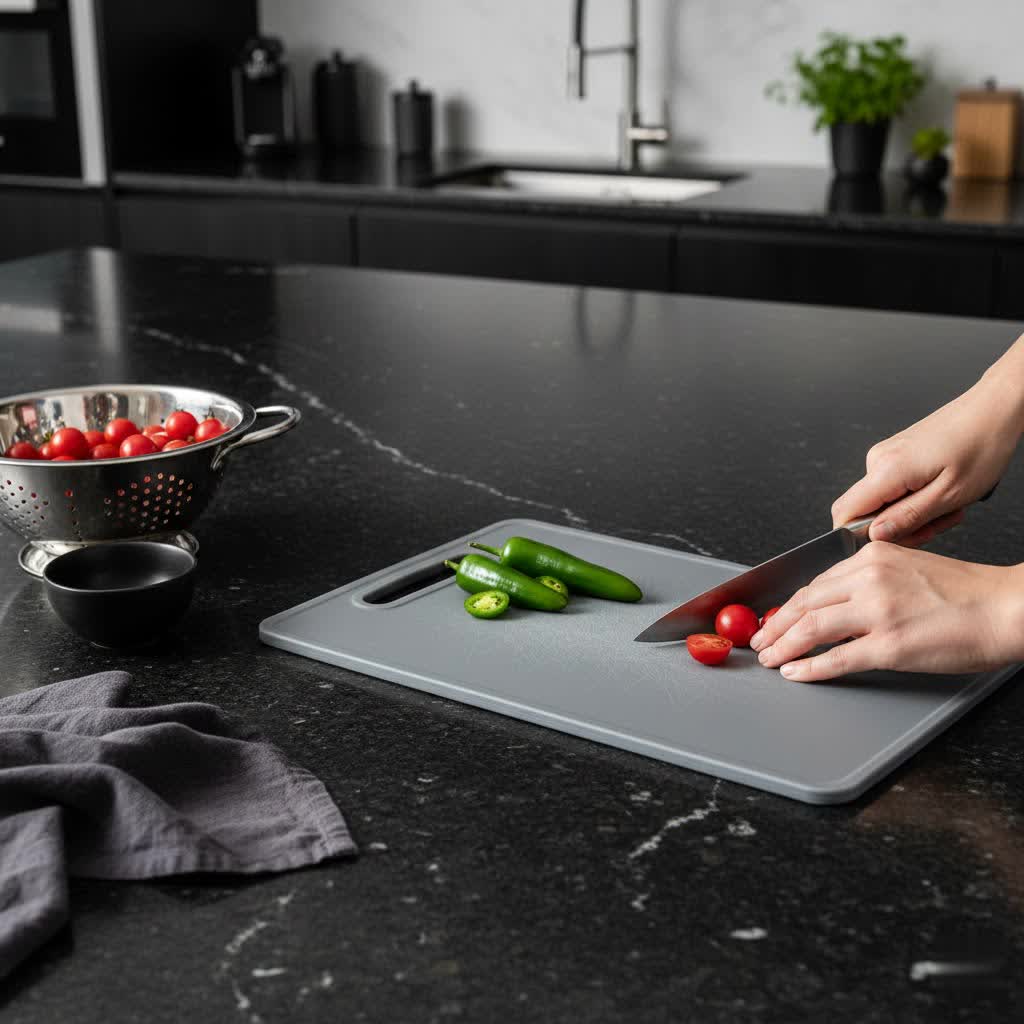
- Similar to wooden cutting boards, you can “season” plastic cutting boards by rubbing them with mineral oil. This fills the microscopic pores, making them less susceptible to absorbing stains. Reapply periodically.
Frequently Asked Questions
Can all plastic be cleaned of tomato sauce stains?
Most common food-grade plastics like polypropylene (PP) and polyethylene (PE) can be cleaned of tomato sauce stains with the right methods, though some very old or deeply scratched plastic might be permanently discolored.
Is it safe to use bleach on plastic containers that will hold food?
Using bleach on food-contact plastic should be done with extreme caution and only as a last resort. Always ensure thorough rinsing and washing with dish soap multiple times after bleach treatment to remove all residue before storing food.
Will soaking plastic in hot water alone remove stains?
Soaking in hot water can help loosen fresh stains and can be part of a larger cleaning process, but it is rarely enough on its own to remove set-in tomato sauce stains due to the oil-soluble nature of lycopene.
How can I prevent plastic from staining in the first place?
The best prevention methods include lightly oiling the plastic before adding tomato sauce, washing immediately after use, using glass containers for heating tomato-based foods, and considering dedicated “red sauce” plastic containers.
Does the type of plastic matter when cleaning tomato sauce stains?
Yes, generally denser, smoother plastics (like some newer, high-quality containers) are less prone to staining than older, more porous, or scratched plastics. However, all plastic types can potentially stain.
Cleaning tomato sauce stains off plastic might seem like a daunting task, but with the methods outlined above, you have a powerful arsenal at your disposal. From the natural bleaching power of sunlight to the gentle abrasion of baking soda, and the acidic attack of lemon juice, there’s a solution for almost every stain. Remember, prevention is key, so adopt good habits like pre-oiling your containers and avoiding microwaving tomato sauce in plastic. What’s your go-to trick for keeping your plasticware spotless? Share your insights and help fellow home cooks banish those pesky red stains for good!