Stepping into a home that sparkles from floor to ceiling is a rewarding feeling, but achieving that deep clean can often feel like an overwhelming chore. Many turn to a cabinet full of specialized cleaners, each promising unique results. Yet, a humble brown bottle, often found in medicine cabinets, holds the key to unlocking a truly deep and hygienic clean for countless surfaces: hydrogen peroxide. This powerful yet remarkably versatile compound can transform your cleaning routine, offering an effective, residue-free solution for tackling dirt, grime, and hidden germs throughout your living space.
This comprehensive guide, drawing on years of experience and extensive testing in the realm of cleaning solutions, will walk you through everything you need to know about harnessing hydrogen peroxide for a sparkling, sanitized home. We’ll delve into how this wonder substance works, its myriad applications from kitchen to bathroom, essential mixing and application techniques, and critical safety protocols to ensure a safe and effective cleaning experience. Get ready to discover a new ally in your quest for a pristine home.
Understanding Hydrogen Peroxide: Your Deep Cleaning Ally
At its core, hydrogen peroxide (H2O2) is deceptively simple: it’s essentially water (H2O) with an extra oxygen molecule. But it’s this extra oxygen that makes all the difference, transforming it into a potent oxidizing agent. When hydrogen peroxide comes into contact with organic material like germs, dirt, or stains, it releases that extra oxygen molecule, creating a vigorous fizzing action. This process, known as oxidation, effectively breaks down the cell walls of bacteria, viruses, fungi, and mold spores, neutralizing them and lifting away grime.
One of the most appealing aspects of hydrogen peroxide for deep cleaning is its breakdown process. After it performs its magic, it decomposes into harmless water and oxygen, leaving behind no harsh chemical residues. This makes it a preferred choice for surfaces where you want to avoid chemical buildup, such as food preparation areas or children’s toys. For most household cleaning tasks, a standard 3% hydrogen peroxide solution, readily available at drugstores and supermarkets, is perfectly sufficient and safe when used correctly. Higher concentrations are typically for industrial use and should be avoided for home applications.
The benefits of incorporating hydrogen peroxide into your deep cleaning arsenal are extensive. It acts as a powerful disinfectant, effectively sanitizing high-touch surfaces. It’s a natural deodorizer, eliminating unpleasant smells rather than just masking them. Furthermore, its oxidizing power makes it an excellent stain remover and brightener for a variety of materials, providing a gentler alternative to chlorine bleach in many scenarios.
The Versatility of Hydrogen Peroxide: Applications for Every Corner
From the busiest hub of your kitchen to the quietest corners of your home, hydrogen peroxide proves its worth as a multi-purpose deep cleaning agent. Its diverse applications mean you can often reach for just one bottle instead of many, simplifying your cleaning cabinet.
Kitchen Powerhouse
The kitchen, a breeding ground for bacteria, benefits immensely from hydrogen peroxide’s sanitizing capabilities.
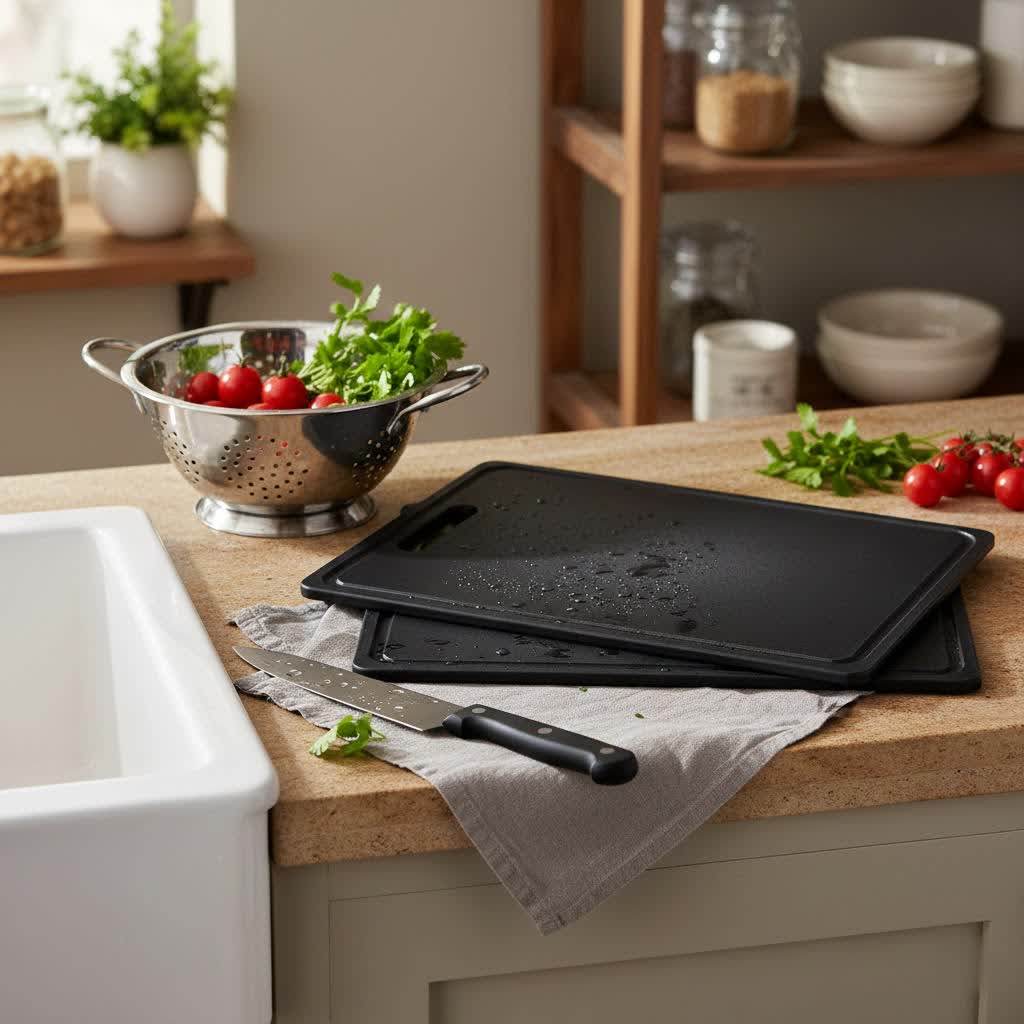
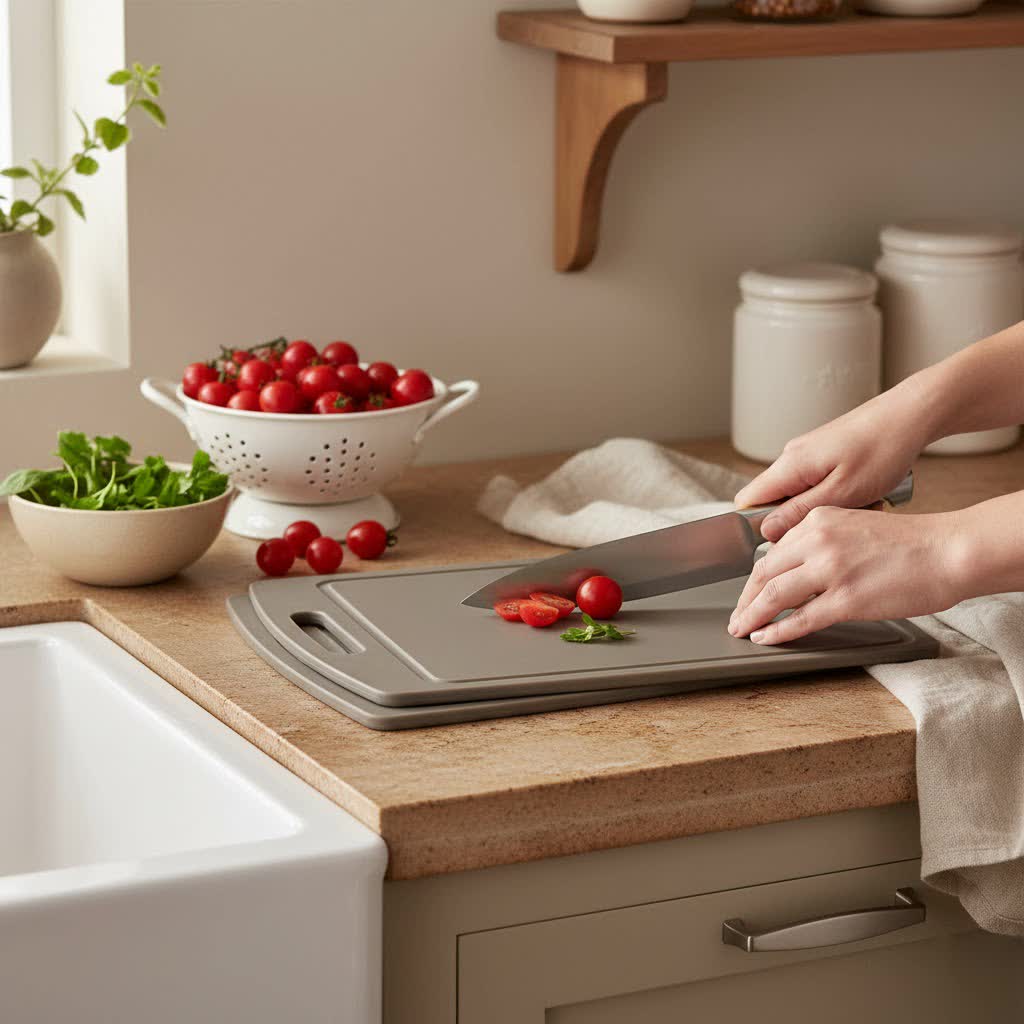
- Countertops and Cutting Boards: After preparing food, spray a 3% hydrogen peroxide solution directly onto countertops and cutting boards (plastic, wood, or marble). Let it sit for 5-10 minutes to disinfect, then rinse thoroughly, especially for surfaces that contact food. This helps eliminate common foodborne bacteria like Salmonella and E. coli.
- Sinks and Drains: For a sparkling white sink and to tackle lingering odors, sprinkle baking soda generously over the basin, then pour hydrogen peroxide over it. Scrub with a brush, rinse, and wipe dry. For drains, pouring a cup of peroxide down regularly can help break down grime and deodorize.
- Dishwashers and Garbage Cans: To combat mold, mildew, and funky odors in dishwashers, place about a quarter cup of peroxide on the top rack and run a high-heat cycle while empty. For garbage cans, spray the inside with a peroxide-water solution after emptying, allowing it to air dry, preferably in the sun, for a fresh, clean scent.
- Cookware and Baking Sheets: For baked-on food, mix hydrogen peroxide with baking soda to form a paste. Apply it to the affected areas, let it sit overnight, then scrub away. A few drops in dishwashing soap can also boost handwashing effectiveness.
|
Our Picks for the Best Plastic cutting board in 2026
As an Amazon Associate I earn from qualifying purchases.
|
||
| Num | Product | Action |
|---|---|---|
| 1 | GORILLA GRIP BPA-Free Reversible Kitchen Cutting Board Set of 3, US Designed, Nonporous, Juice Grooves Catch Liquid, Slip Resistant Border, Dishwasher Safe, Durable Large Food Chopping Boards, Black |

|
| 2 | FARBERWARE Extra-Large Plastic Cutting Board, 15x20 Inch Dishwasher-Safe Chopping Board with Juice Groove, Non-Slip Surface, Durable, White |
|
| 3 | Commercial Grade Plastic Cutting Board 18 x 12 x 1/2 Thick High Density White Poly, NSF Certified and Dishwasher Safe for Food Service |
|
| 4 | Extra Large Cutting Boards, Plastic Cutting Boards for Kitchen (Set of 3) Cutting Board Set Dishwasher Chopping Board with Juice Grooves Easy-Grip Handles, Dark Grey, Empune |
|
| 5 | Farberware Large Cutting Board, Dishwasher- Safe Plastic Chopping Board for Kitchen with Easy Grip Handle, 11-inch by 14-inch, White |
|
| 6 | OXO Good Grips Plastic Utility Cutting Board |
|
| 7 | Goodluck 5 Pieces Flexible Cutting Boards, BPA Free Plastic Cutting Boards for Kitchen, Non Slip Cutting Mat for Meat and Vegetables |
|
| 8 | FARBERWARE Reversible Plastic Cutting Board, 8x10 Inch, White, Dishwasher Safe, Non-Porous and Durable for Chopping, Slicing, Prep, Easy to Store |
|
| 9 | THETCHRY Plastic Cutting Board Set of 3-Cutting Boards for Kitchen BPA Free, Large-Small Chopping Boards Non-Slip for Cooking Camping Dishwasher Safe, Reversible, with Grip Handle, 15"×10"×0.25" Green |
|
| 10 | KitchenAid Classic Cutting Board with Perimeter Trench and Non Slip Edges, Dishwasher Safe, 11 inch x 14 inch, White and Gray |
|
Bathroom Brilliance
The moist environment of bathrooms is ideal for mold, mildew, and germs. Hydrogen peroxide is a formidable foe against these common bathroom woes.
- Showers, Bathtubs, and Grout: Spray hydrogen peroxide directly onto shower walls, tubs, and liners to kill fungi and mildew. For stubborn stains and to brighten dull grout, mix peroxide with baking soda to create a powerful scrubbing paste. Apply, scrub, and rinse for gleaming surfaces.
- Toilets: Pour half a cup of 3% hydrogen peroxide into the toilet bowl, let it sit for up to 30 minutes, then scrub and flush. This not only sanitizes but also brightens the bowl.
- Mirrors and Glass: For streak-free mirrors and glass surfaces, spray them with a 1:1 solution of hydrogen peroxide and water, then wipe with a lint-free cloth or newspaper.
Laundry & Fabric Care
Hydrogen peroxide can also rejuvenate your fabrics, making it an excellent addition to your laundry routine.
- Stain Removal: Before tossing stained garments into the wash, test hydrogen peroxide on an inconspicuous spot for colorfastness. If safe, pour a small amount directly onto the stain (wine, food, grass, blood), let it fizz for a minute, then dab and rinse with cold water or wash as usual.
- Whitening Dingy Whites: Boost the brightness of your whites without harsh bleach by adding one cup of hydrogen peroxide to your washing machine during the wash cycle. It sanitizes and refreshes simultaneously.
Beyond the Basics
The utility of hydrogen peroxide extends far beyond kitchens and bathrooms.
- Flooring: For various types of flooring, including hardwood, tile, vinyl, laminate, and concrete, dilute hydrogen peroxide with water and either mop or spray the solution directly onto the floor. Wipe clean and dry immediately to prevent water damage.
- Houseplants: If your plants are suffering from fungus (like root rot) or pests, spray affected areas with a mixture of one part hydrogen peroxide to three or four parts water. It can also sanitize pruning tools to prevent disease spread.
- Kids’ Toys: For non-battery-operated toys, soak them in a tub of equal parts peroxide and water for a few minutes, then rinse with clean water to sanitize. For electronic toys, wipe carefully with a cloth dipped in the solution.
- Sponges and Cleaning Tools: To kill lingering bacteria on sponges, soak them weekly in a 50/50 peroxide-water solution for 10-20 minutes, then rinse and air dry. This method also works for makeup brushes, tweezers, and other hygiene tools.
- Mattresses: For those with dust mite allergies, mix one part peroxide with one part water in a spray bottle and lightly spritz your mattress. Allow it to fully dry before making the bed.
- Humidifiers and Dehumidifiers: Monthly, run a solution of equal parts hydrogen peroxide and water through these machines to remove mold and mildew, improving your home’s air quality.
Mixing and Application Guidelines for Effective Deep Cleaning
To maximize the deep cleaning power of hydrogen peroxide and ensure safety, follow these application best practices. The goal is to allow the peroxide sufficient “dwell time” to work, but also to understand when and how to dilute and rinse.
- General Disinfection (Surfaces): For everyday disinfecting of hard surfaces like countertops, doorknobs, and light switches, a common and effective approach is to create a 1:1 ratio solution by mixing equal parts 3% hydrogen peroxide with water in a spray bottle. Spray the surface generously, allowing the solution to sit for at least five to ten minutes. This contact time is crucial for the oxidation process to effectively kill germs. Afterward, wipe the surface clean with a cloth. For food-contact surfaces, a thorough rinse with clean water is also recommended.
- For Tough Stains, Grime, and Grout: Hydrogen peroxide truly shines when paired with a mild abrasive. A popular and highly effective method is to create a paste using hydrogen peroxide and baking soda. The abrasive quality of baking soda helps lift stubborn grime, while the peroxide breaks down stains and whitens. Apply the paste directly to the stained area (grout lines, bathtub rings, carpet spots), let it sit for 15-30 minutes, then scrub with a brush or sponge. Rinse thoroughly once clean.
- Laundry Brightening and Stain Pre-Treatment: For boosting whites, add one cup of 3% hydrogen peroxide directly to your washing machine drum along with your detergent before starting a cycle. For pre-treating fabric stains, apply a small amount of undiluted 3% hydrogen peroxide directly to the stain. Let it fizz and work for a few minutes (ensure you’ve patch-tested first!), then proceed with your regular wash cycle.
- Contact Time is Key: Regardless of the application, avoid wiping off hydrogen peroxide immediately. Its effectiveness as a disinfectant and stain remover relies on sufficient contact time with the target surface. Refer to specific application recommendations for optimal dwell times, typically ranging from 5 to 30 minutes.
- Always Rinse: While hydrogen peroxide breaks down into water and oxygen, it’s good practice to rinse surfaces after deep cleaning, especially those that come into direct contact with food or skin. This ensures any remaining loosened debris or trace elements are washed away, leaving a truly clean finish.
By following these guidelines, you can ensure that you’re using hydrogen peroxide effectively, harnessing its full deep cleaning potential while maintaining safety and care for your home’s surfaces.
Essential Safety Precautions for Hydrogen Peroxide Use
While hydrogen peroxide is generally considered a safer and more environmentally friendly alternative to some harsher chemical cleaners, it is still a powerful chemical and requires careful handling. Adhering to safety precautions is paramount to prevent accidents and ensure a positive cleaning experience.
- Always Wear Protective Gear: When working with hydrogen peroxide, even the common 3% solution, it’s wise to protect your skin and eyes. Wear protective gloves to prevent skin irritation, especially with prolonged contact, and safety goggles to shield your eyes from splashes.
- Ensure Adequate Ventilation: Always use hydrogen peroxide in a well-ventilated area. Opening windows or running exhaust fans helps dissipate any released oxygen or fumes, preventing inhalation of concentrated vapors, especially in enclosed spaces like bathrooms.
- NEVER Mix with Other Cleaners: This is a critical rule. Hydrogen peroxide should never be mixed with certain other cleaning agents, as it can create dangerous and potentially toxic reactions.
- Bleach (Sodium Hypochlorite): Mixing creates highly corrosive peracetic acid and can release toxic chlorine gas.
- Vinegar: While often used in a two-step cleaning process (applied separately), mixing them directly can create peracetic acid, a corrosive chemical that can irritate the skin, eyes, and respiratory system.
- Ammonia: Combining can form a corrosive mixture.
- Rubbing Alcohol: Mixing can create volatile compounds.
- Always use hydrogen peroxide on its own or specifically as directed in trusted recipes (e.g., with baking soda or dish soap, which are generally safe combinations).
- Test on Inconspicuous Areas: Before applying hydrogen peroxide to a large or visible surface, always perform a patch test in a small, hidden area. Hydrogen peroxide can have a bleaching effect and may lighten or damage certain fabrics, natural stones (like marble or granite), aluminum, and some hardwood finishes. Observing the reaction ensures compatibility and prevents unintended damage.
- Proper Storage is Crucial: Store hydrogen peroxide in its original, opaque container in a cool, dark place, away from direct sunlight, heat sources, and organic materials. Exposure to light and heat can cause it to break down rapidly and lose its potency. Keep it out of reach of children and pets.
- Avoid Ingestion and Direct Contact with Skin/Eyes: Hydrogen peroxide is not for internal consumption and can cause gastrointestinal irritation if ingested. If accidental ingestion occurs, seek medical attention. In case of contact with eyes or sensitive skin, rinse immediately and thoroughly with plenty of water for at least 15 minutes. If irritation persists, consult a doctor.
- Not for Open Wounds: Contrary to past beliefs, medical professionals now discourage using hydrogen peroxide on open wounds or cuts. It can damage healthy tissue and slow down the healing process.
By diligently following these safety guidelines, you can confidently and effectively incorporate hydrogen peroxide into your deep cleaning regimen, maintaining a clean home without compromising your well-being.
Hydrogen Peroxide vs. Other Cleaners: A Quick Comparison
When considering hydrogen peroxide for deep cleaning, it’s helpful to understand how it stacks up against other common household cleaners. This comparison highlights its unique advantages and specific applications.
Hydrogen Peroxide vs. Bleach
- Effectiveness: Both are potent disinfectants. Bleach is often considered stronger for killing a broader spectrum of heavy-duty bacteria and viruses quickly. Hydrogen peroxide is also highly effective but may require slightly longer contact times for full disinfection, especially at its common 3% concentration.
- Safety & Residue: Hydrogen peroxide breaks down into harmless water and oxygen, leaving no toxic residue. This makes it a preferred choice for food-contact surfaces and in homes with children or pets, where chemical residues are a concern. Bleach, on the other hand, can leave behind chemical fumes and residues that require thorough rinsing and can be irritating to the respiratory system and skin.
- Fumes & Odor: Hydrogen peroxide is virtually odorless, making it much more pleasant to work with than the strong, pungent fumes associated with bleach.
- Bleaching Action: Both can lighten fabrics and surfaces. Hydrogen peroxide offers a gentler bleaching action, making it suitable for refreshing whites without the harshness of chlorine bleach, though a patch test is still vital.
- Mixing: As stressed, never mix hydrogen peroxide with bleach.
Hydrogen Peroxide vs. Vinegar
- Disinfecting Power: Hydrogen peroxide is a stronger oxidizer and a more effective disinfectant against a wider range of bacteria, viruses, and fungi than vinegar. Vinegar, while acidic and capable of killing some pathogens and dissolving mineral deposits, is not considered a broad-spectrum disinfectant by health organizations.
- Mechanism: Hydrogen peroxide works through oxidation, attacking cellular structures. Vinegar works by lowering pH levels, creating an environment inhospitable to some microbes.
- Residue & Fumes: Both break down into relatively harmless components, though vinegar leaves a distinct, temporary acidic smell. Hydrogen peroxide is odorless.
- Mixing: While they are both useful natural cleaners, never mix hydrogen peroxide and vinegar in the same container. This combination can create peracetic acid, a corrosive and irritating substance. However, they can be used sequentially (e.g., spray with vinegar, then spray with peroxide after a dwell time and wipe) for enhanced sanitization on some surfaces, but this method requires careful understanding and is generally not recommended for everyday use due due to the risk of accidental mixing. For most deep cleaning, using them independently or choosing one for specific tasks is safer and sufficient.
In summary, hydrogen peroxide offers a powerful, safe, and versatile solution for deep cleaning, often balancing the potency of bleach with a gentler, residue-free profile. Understanding its strengths relative to other cleaners helps you make informed choices for a truly clean and healthy home.
Conclusion
Embracing hydrogen peroxide for deep cleaning is a smart and effective way to maintain a truly hygienic home environment. Its innate ability to disinfect, deodorize, and tackle stubborn stains, coupled with its breakdown into harmless water and oxygen, makes it an invaluable tool for any diligent cleaner. From sparkling kitchens and sanitized bathrooms to refreshed laundry and germ-free toys, this versatile compound stands ready to assist in nearly every corner of your living space.
Remember, the key to unlocking its full potential lies in understanding its fundamental properties, knowing the correct application techniques, and, most importantly, adhering strictly to safety guidelines. Always use the common 3% solution, ventilate your space, wear protective gear, and never mix it with incompatible cleaners like bleach or vinegar. With a little knowledge and caution, hydrogen peroxide can transform your cleaning routine, offering a powerful, eco-conscious path to a deeply clean and healthy home. So, are you ready to revitalize your cleaning approach and witness the remarkable power of hydrogen peroxide for yourself?
Frequently Asked Questions
Can hydrogen peroxide go down the drain?
Yes, diluted hydrogen peroxide solutions, typically the 3% concentration used for household cleaning, are generally safe to pour down the drain. In fact, it can even help to clean and deodorize drains without causing harm to plumbing or the environment as it breaks down into water and oxygen.
Do you need to wear gloves when handling hydrogen peroxide?
While 3% hydrogen peroxide is relatively mild, it is highly recommended to wear protective gloves, such as disposable latex or nitrile gloves, to protect your skin from irritation, especially during prolonged contact or if you have sensitive skin. It’s also wise to wear eye protection to guard against splashes.
What happens when you mix dish soap with hydrogen peroxide?
Mixing dish soap with hydrogen peroxide is generally safe and can be a very effective combination for tackling tough stains on laundry, carpets, or even cleaning cookware. The dish soap acts as a surfactant, helping to lift grease and grime, while the hydrogen peroxide provides its oxidizing and stain-fighting power.
Is hydrogen peroxide safe for all surfaces?
No, hydrogen peroxide is not safe for all surfaces. While it’s excellent for many, it can cause discoloration or damage to delicate materials. Always perform a patch test on an inconspicuous area before applying it to natural stone (like marble or granite), certain hardwood finishes, aluminum, or dyed fabrics and carpets, as it has bleaching properties.
Does hydrogen peroxide expire or lose its effectiveness?
Hydrogen peroxide doesn’t truly “expire” in the traditional sense, but it does gradually decompose into water and oxygen over time, especially when exposed to light, heat, or air. This means it loses its potency and effectiveness. Storing it in its original opaque bottle in a cool, dark place helps preserve its strength for longer, typically maintaining efficacy for about 1-3 years after opening.