Choosing the right cutting board is a pivotal decision for any kitchen, blending functionality with hygiene and durability. Amidst a sea of options, the Mercer Culinary High Heat Cutting Board emerges as a strong contender, particularly for those seeking a robust, low-maintenance solution. But does it truly live up to its “high heat” promise and other claims? This review delves deep into its construction, performance, and overall value, helping you decide if this composite board is the perfect fit for your culinary endeavors.
Selecting a Cutting Board: A Detailed Guide
Advantages and Disadvantages of Composite Cutting Boards
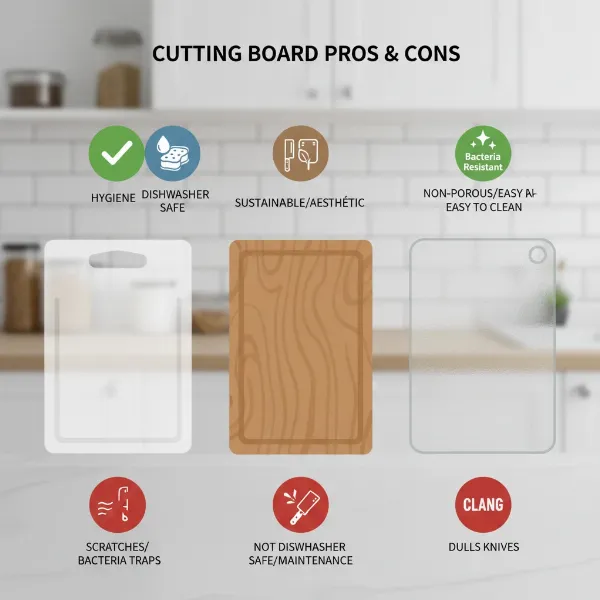
When comparing cutting boards, composite materials like those used in the Mercer Culinary High Heat board offer a compelling balance between traditional wood and conventional plastic. Unlike wooden boards, which often require meticulous oiling and are not typically dishwasher safe, composite boards are designed for modern convenience and rigorous use. They stand out for their exceptional hygiene, ease of cleaning, and ability to withstand high temperatures without warping.
-
Advantages:
- Hygiene: Composite boards are generally non-porous and resist deep cuts and gouges, minimizing crevices where bacteria can harbor, especially when compared to heavily scored plastic boards.
- Durability: Made from compressed wood fiber and resin, these boards are remarkably sturdy, resistant to warping, and built for longevity, even in high-volume commercial settings.
- Low Maintenance: They are dishwasher-safe, eliminating the need for hand-washing and frequent oiling, a stark contrast to their wood counterparts.
- Heat Resistance: The composite material handles high temperatures, making them suitable for hot pans (though direct, prolonged heat should be avoided) and dishwasher sterilization. This is a key benefit suggested by the “High Heat” moniker.
- Lightweight & Thin: Despite their durability, many composite boards, including Mercer Culinary’s, are thin and lightweight, making them easy to handle and store.
-
Disadvantages:
- Knife Friendliness: A common drawback of composite boards is their hardness, which can dull knife blades more quickly than softer materials like end-grain wood. However, Mercer Culinary specifically states its material “preserves blade sharpness and resists unsanitary cut-grooving,” suggesting a refined composite formulation that aims to mitigate this common issue.
- Aesthetics: While some composite boards mimic wood’s appearance, they may lack the natural warmth and unique grain patterns of solid wood boards, which are often preferred for presentation.
|
Our Picks for the Best Plastic cutting board in 2026
As an Amazon Associate I earn from qualifying purchases.
|
||
| Num | Product | Action |
|---|---|---|
| 1 | Farberware Large Cutting Board, Dishwasher- Safe Plastic Chopping Board for Kitchen with Easy Grip Handle, 11-inch by 14-inch, White |

|
| 2 | FARBERWARE Reversible Plastic Cutting Board, 8x10 Inch, White, Dishwasher Safe, Non-Porous and Durable for Chopping, Slicing, Prep, Easy to Store |
|
| 3 | Goodluck 5 Pieces Flexible Cutting Boards, BPA Free Plastic Cutting Boards for Kitchen, Non Slip Cutting Mat for Meat and Vegetables |
|
| 4 | GORILLA GRIP BPA-Free Reversible Kitchen Cutting Board Set of 3, US Designed, Nonporous, Juice Grooves Catch Liquid, Slip Resistant Border, Dishwasher Safe, Durable Large Food Chopping Boards, Black |
|
| 5 | KitchenAid Classic Cutting Board with Perimeter Trench and Non Slip Edges, Dishwasher Safe, 11 inch x 14 inch, White and Gray |
|
| 6 | Extra Large Cutting Boards, Plastic Cutting Boards for Kitchen (Set of 3) Cutting Board Set Dishwasher Chopping Board with Juice Grooves Easy-Grip Handles, Dark Grey, Empune |
|
| 7 | Commercial Grade Plastic Cutting Board 18 x 12 x 1/2 Thick High Density White Poly, NSF Certified and Dishwasher Safe for Food Service |
|
| 8 | FARBERWARE Extra-Large Plastic Cutting Board, 15x20 Inch Dishwasher-Safe Chopping Board with Juice Groove, Non-Slip Surface, Durable, White |
|
| 9 | OXO Good Grips Plastic Utility Cutting Board |
|
| 10 | THETCHRY Plastic Cutting Board Set of 3-Cutting Boards for Kitchen BPA Free, Large-Small Chopping Boards Non-Slip for Cooking Camping Dishwasher Safe, Reversible, with Grip Handle, 15"×10"×0.25" Green |
|
Common Types of Composite Cutting Boards
Composite cutting boards primarily use a blend of cellulose fibers (often wood pulp) and a resin binder, compressed under high pressure and heat. This process creates a dense, non-porous material.
- Phenolic Resin Composites: Many high-heat composite boards, including those similar to Mercer Culinary, use a phenolic resin. This gives them excellent heat resistance, moisture resistance, and extreme durability. They are known for being very stable and hygienic.
- Melamine Composites: Less common for high-heat applications, but also used in some kitchenware.
- Paper/Wood Fiber Composites: The most prevalent type, characterized by their wood-like appearance and feel, combined with the practical benefits of synthetics. Mercer Culinary’s description of “compressed wood fiber and resin” falls into this category.
Each type is valued for its material integrity, resistance to wear and tear, and compatibility with rigorous kitchen environments. They are generally suitable for all types of food preparation, from slicing fresh fruits and vegetables to prepping meats, especially in environments where hygiene is paramount.
Comparison Table of Cutting Board Materials
| Feature | Wood (End-Grain) | Wood (Edge-Grain) | Bamboo | Plastic (PE/PP/HDPE) | Composite (Mercer Culinary & similar) |
|---|---|---|---|---|---|
| Material | Hardwood (Maple, Walnut) | Hardwood (Maple, Walnut) | Laminated Bamboo | Polyethylene, Polypropylene, HDPE | Wood fiber & resin |
| Durability | Excellent, self-healing | Good, but shows knife marks | Good, but can split | Varies, can get deep cuts | Excellent, resists cuts & warping |
| Knife-Friendliness | Best, preserves sharpness | Good | Moderate, harder than wood | Varies, some are softer (TPU) | Moderate to High (Mercer claims high) |
| Heat Resistance | Low, can warp/crack | Low, can warp/crack | Low, can warp/crack | Moderate, can warp/melt | High, dishwasher safe |
| Maintenance | High (oiling, hand wash) | High (oiling, hand wash) | Moderate (oiling, hand wash) | Low (dishwasher safe) | Low (dishwasher safe) |
| Hygiene | Excellent (natural anti-microbial) | Good (natural anti-microbial) | Good (natural anti-microbial) | Poor (harbors bacteria in cuts) | Excellent (non-porous, dishwasher safe) |
| Price | High | Medium-High | Medium | Low | Medium |
| Weight | Heavy | Medium-Heavy | Medium | Lightweight | Lightweight |
Note: While many composite boards are hard on knives, Mercer Culinary states its material “preserves blade sharpness,” suggesting a unique formulation or property. This is a significant claim that differentiates it.
Guide to Purchasing a Composite Cutting Board
When considering a Mercer Culinary High Heat Cutting Board, or any composite board, several factors should influence your decision to ensure it meets your specific culinary needs.
- Size: Assess your typical prep space and volume. Mercer Culinary offers compact sizes ideal for smaller kitchens, bars, or specialized prep, but larger options may be available for more extensive tasks. Ensure the size fits comfortably in your sink for washing and in your dishwasher.
- Thickness: At 1/4″ thick, Mercer Culinary boards are designed to be lightweight and easy to store. While thicker boards might offer a more substantial feel, the composite material’s inherent strength means a thinner profile doesn’t compromise durability.
- Material Composition: For “high heat” performance, verify the board is indeed made from a high-quality composite of wood fibers and resin. This material is crucial for resisting warping, preventing bacterial growth in cuts, and enduring high-temperature washes. Ensure it is BPA-free for food safety.
- Features: Look for practical design elements such as a corner hole for hanging, which helps save space. Some boards offer reversible sides, extending their lifespan, which the Mercer Culinary board provides.
- Brand Reputation: Mercer Culinary is a well-known brand in professional kitchens, often associated with quality culinary tools. While their knives have varied reviews, their cutting boards, particularly the composite line, are generally regarded for their durability and hygiene benefits.
Top Picks: Mercer Culinary High Heat Cutting Board Review
The Mercer Culinary High Heat Cutting Board, specifically models like the M18962 (11 3/4″ x 9 1/4″ x 1/4″), exemplifies the benefits of advanced composite materials in the kitchen.
Key Features and Performance:
- Material: Crafted from a high-quality composite of compressed wood fiber and resin, it’s engineered to mimic the look and feel of wood without the demanding upkeep.
- Durability and Heat Resistance: This board is built to withstand daily wear and tear, perfect for high-volume food service establishments and rigorous home use. Its composite nature allows it to be dishwasher safe, signifying its high heat tolerance and ease of sanitization.
- Knife Friendliness: Mercer Culinary explicitly states that its material “preserves blade sharpness and resists unsanitary cut-grooving”. This is a critical advantage, as many composite boards are known for dulling knives faster. This claim suggests a superior material formulation designed to be kinder to your blades while maintaining durability.
- Design: The 1/4″ thick, lightweight design features two usable sides for an extended lifespan and a convenient corner hole for hanging, optimizing kitchen space. Its compact size makes it versatile for various tasks, from prepping garnishes to slicing fruits and herbs. It’s even attractive enough for serving applications, such as charcuterie boards.
Pros:
- Exceptional durability and resistance to warping.
- Dishwasher safe and easy to sanitize, ideal for maintaining hygiene.
- Lightweight and thin profile for easy handling and storage.
- Two usable sides enhance longevity.
- Marketed as preserving blade sharpness and resisting cuts.
- Versatile for both prep and serving.
Cons:
- Despite claims, some users might find composite materials still harder on knives compared to very soft wood (end-grain).
- Lacks natural juice grooves, which might be a drawback for cutting very juicy items.
- Aesthetics, while wood-like, may not appeal to those preferring natural solid wood.
“The advancement in composite cutting board technology means you no longer have to sacrifice durability for hygiene. Boards like Mercer Culinary’s offer the best of both worlds: a robust surface that stands up to heat and rigorous cleaning, making them a game-changer for busy kitchens.” – Chef Elena Rodriguez, Culinary Technology Specialist.
Proper Cleaning and Maintenance of Composite Cutting Boards
Maintaining your Mercer Culinary High Heat Cutting Board is straightforward, thanks to its composite construction.
- After Each Use: Immediately wash the board with hot, soapy water. While it resists deep cuts, cleaning promptly prevents food residues from drying and potential staining.
- Dishwasher Safe: One of the greatest advantages is its dishwasher compatibility. Place it in the dishwasher for thorough cleaning and sanitization, especially after preparing raw meats or poultry.
- Deep Cleaning/Sanitization: Regular dishwasher cycles should suffice for sanitization. For an extra clean, some manufacturers suggest occasional sanitizing sprays or solutions, but typically, the high heat of a dishwasher combined with detergent is effective for composite materials.
- Storage: The board’s thin profile and corner hole make storage easy. Hang it or store it upright in a dry, well-ventilated area to prevent moisture buildup and maximize air circulation. Avoid storing it flat in damp conditions.
Unlike wood, composite boards do not require oiling, making them a truly low-maintenance option for busy cooks.
Conclusion
The Mercer Culinary High Heat Cutting Board stands out as a high-performance, low-maintenance solution for any kitchen. Its composite construction, blending wood fiber and resin, delivers remarkable durability, hygiene, and heat resistance, all while claiming to be gentle on your valuable knives. For chefs and home cooks seeking a reliable, dishwasher-safe cutting surface that can withstand rigorous use without the upkeep of traditional wood, this board presents a compelling choice. It’s an investment in efficiency and cleanliness, making your daily food preparation smoother and safer.
Are you ready to experience the convenience and resilience of a Mercer Culinary High Heat Cutting Board in your kitchen?
Frequently Asked Questions
What makes the Mercer Culinary High Heat Cutting Board suitable for “high heat”?
The Mercer Culinary High Heat Cutting Board is made from a composite of compressed wood fiber and resin, a material inherently designed for durability and stability under varying temperatures. Its “high heat” suitability primarily refers to its ability to withstand hot washes in a dishwasher for effective sanitization without warping or degrading, a significant advantage over many other cutting board materials.
Is the Mercer Culinary High Heat Cutting Board truly knife-friendly?
Mercer Culinary specifically highlights that its composite material “preserves blade sharpness and resists unsanitary cut-grooving”. While many composite boards are known for being hard on knives, Mercer’s claim suggests a formulation aimed at reducing blade dulling, offering a more knife-friendly experience compared to generic hard composite options.
Can I use the Mercer Culinary High Heat Cutting Board for serving?
Yes, the Mercer Culinary High Heat Cutting Board, with its attractive finish and sturdy construction, is suitable for serving applications. Its compact size and wood-like appearance make it an elegant choice for presenting fresh bread, cheeses, or mini charcuterie boards.
How do composite boards compare to plastic boards in terms of hygiene?
Composite cutting boards generally offer superior hygiene compared to many plastic boards, especially once plastic boards develop deep cuts. The hard, non-porous surface of composite boards resists gouges, reducing places for bacteria to hide and thrive. Additionally, their dishwasher-safe nature allows for thorough sanitization that many plastics cannot achieve once heavily scored.