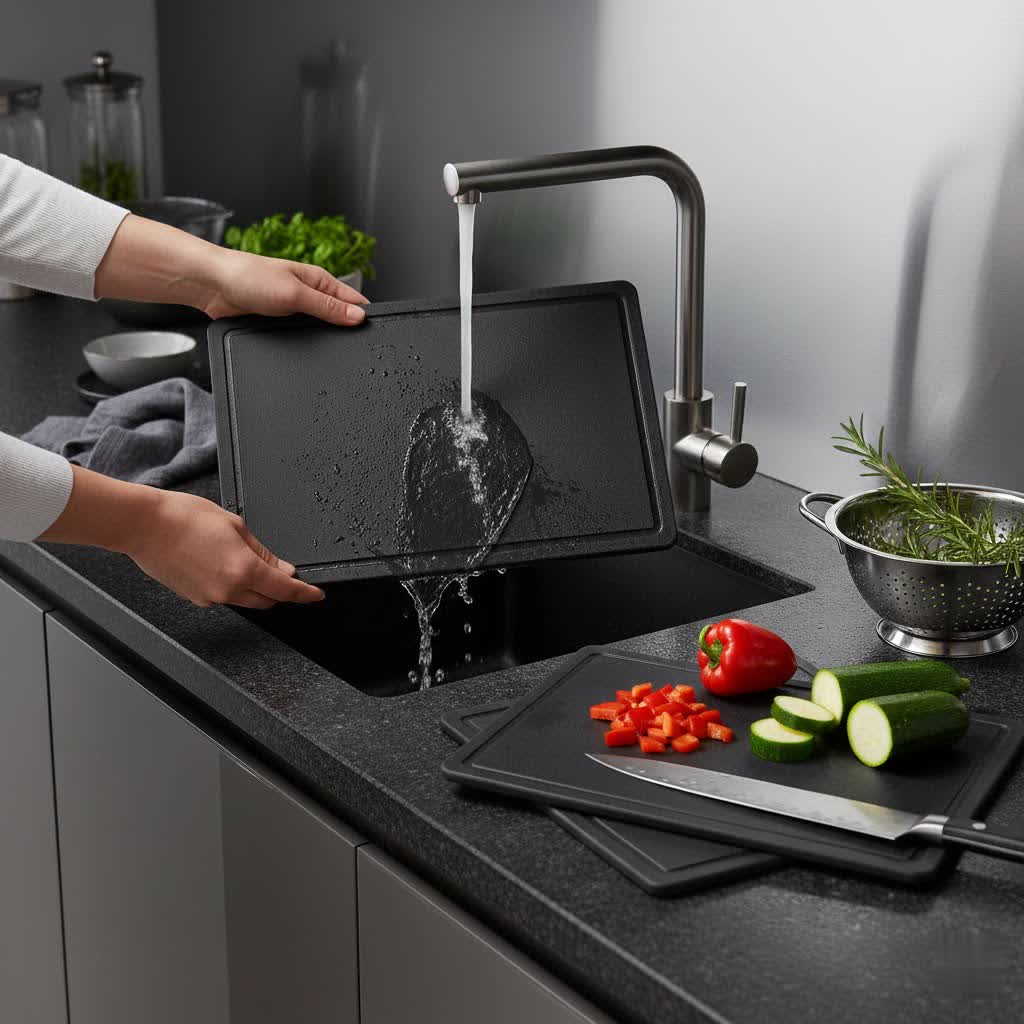
Every chef, whether a seasoned professional or a passionate home cook, understands the critical role a sharp knife plays in the kitchen. A dull blade is not only frustrating and inefficient but also significantly more dangerous. While quality knives are an investment, their longevity and sharpness depend heavily on the surface they meet daily: the cutting board. But with an array of plastic options available, how do you choose between hard plastic and soft Thermoplastic Polyurethane (TPU) to protect your precious knife edges? This guide delves into the characteristics of each, helping you make an informed decision that will save your knives and enhance your culinary experience.
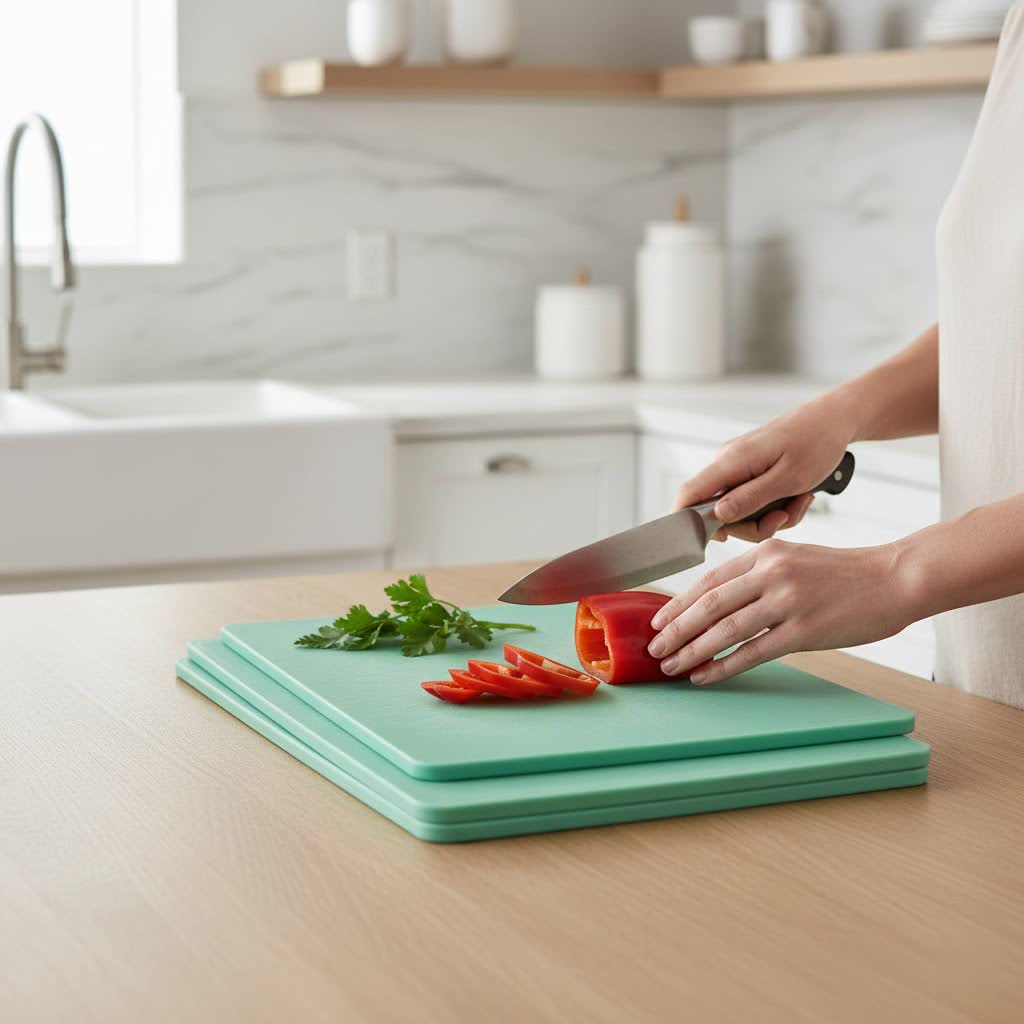
Understanding Plastic Cutting Boards: A Foundation
Plastic cutting boards have long been a kitchen staple, favored for their affordability, ease of cleaning, and hygienic properties compared to some other materials. However, the term “plastic” encompasses a spectrum of materials, each with distinct properties that impact both the board’s durability and, crucially, your knives. Generally, plastics are categorized by their hardness: softer plastics tend to be more forgiving on knife blades, allowing the edge to sink slightly into the surface upon impact. Conversely, harder plastics offer greater resilience against gouges and scratches but can be more abrasive to a knife’s delicate edge. This fundamental difference sets the stage for comparing hard plastic, often exemplified by High-Density Polyethylene (HDPE), and the uniquely soft and flexible Thermoplastic Polyurethane (TPU).
The Case for Hard Plastic: Durability and Hygiene (Focus on HDPE)
High-Density Polyethylene (HDPE) is a robust and widely used material for cutting boards, particularly in commercial kitchens. It’s recognized for its impressive strength-to-weight ratio, making it resistant to chipping, cracking, peeling, and warping under everyday use. HDPE’s non-porous surface is a significant advantage, as it resists the absorption of liquids, odors, and bacteria, thus promoting a more hygienic food preparation environment. These boards are typically dishwasher-safe, allowing for thorough sanitization, a critical feature for busy settings where cross-contamination is a concern.
However, the rigidity that gives HDPE its durability can also be its primary drawback concerning knife sharpness. While some HDPE boards are designed to be “knife-friendly” with a balanced hardness and textured finish, the continued use of harder surfaces can still contribute to knife dulling over time. As knives repeatedly strike the board, the unyielding surface can cause microscopic damage to the blade’s edge. Furthermore, while HDPE is resistant to major damage, it can develop scratches and gouges over time, which may harbor food particles and bacteria if not regularly cleaned and maintained. A recent study also highlighted plastic cutting boards, including polyethylene, as a “significant source of microplastics in human food,” raising health concerns.
The Case for Soft Plastic: The TPU Advantage
Thermoplastic Polyurethane, or TPU, represents a newer generation of soft plastic cutting boards engineered with knife preservation as a top priority. Unlike traditional hard plastics, TPU possesses unique viscoelastic properties, meaning it can deform under the pressure of a knife blade and then remarkably return to its original shape. This “self-healing” like characteristic allows the knife edge to sink minimally into the board, absorbing impact and significantly reducing stress on the blade. This results in knives staying sharper for considerably longer.
The advantages of TPU extend beyond knife care. These boards are highly scratch-resistant, flexible, and do not absorb odors or flavors, ensuring that your board remains pristine and your food tastes as it should. Their non-porous nature makes them highly hygienic, inhibiting bacterial growth, and they are typically dishwasher-safe for effortless cleaning and sterilization. Additionally, many TPU boards are heat-resistant, offering versatility for use as trivets. While TPU boards may not always offer the weighty, solid feel or natural aesthetics of wood, their functional benefits, especially for preserving expensive cutlery, are compelling. The viscoelasticity of TPU allows for up to 37% more kinetic energy absorption than traditional maple cutting boards during blade impact, coupled with a 98% surface recovery rate within half a second, preventing deep groove formation.
Plastic Cutting Boards Compared: A Side-by-Side Analysis
Choosing between hard plastic (HDPE) and soft TPU ultimately comes down to prioritizing specific kitchen needs. Here’s a direct comparison:
| Feature | Hard Plastic (HDPE) | Soft Plastic (TPU) |
|---|---|---|
| Knife Friendliness | Good; can slightly dull knives over extended use, though some are balanced. | Excellent; highly forgiving, preserves knife sharpness significantly. |
| Durability | Very good; resistant to warping, cracking, major damage. | Good; scratch-resistant, but more flexible. |
| Hygiene | Excellent; non-porous, dishwasher safe, but deep scratches can harbor bacteria. | Excellent; non-porous, dishwasher safe, resists deep scratches, won’t absorb odors. |
| Maintenance | Easy to clean, can be scraped to restore surface. | Very easy to clean, dishwasher safe. |
| Microplastic Risk | Present, especially with heavy scoring and wear. | Less information specifically, but generally considered a type of plastic. |
| Flexibility | Rigid. | Highly flexible. |
| Aesthetics | Functional, often industrial look. | Modern, sleek, but may lack traditional appeal. |
Beyond Plastic: A Glimpse at Other Materials
While plastic offers undeniable benefits, it’s worth briefly considering other materials. End-grain wooden cutting boards, particularly from hardwoods like maple or walnut, are widely regarded as the gold standard for knife preservation. Their unique construction allows wood fibers to “heal” around the blade, significantly extending knife sharpness. However, wood requires more maintenance, including regular oiling and hand-washing.
Conversely, materials like glass, stone, ceramic, and stainless steel should be strictly avoided for cutting surfaces. Their extreme hardness will rapidly dull, chip, or roll the edge of even the finest knives, making them unsuitable for food preparation and potentially dangerous. These are best reserved for serving only.
Choosing Your Ideal Cutting Board: Key Considerations
Selecting the perfect cutting board involves balancing several factors tailored to your cooking style and priorities:
- Knife Investment: If you own high-quality or specialized knives, especially delicate Japanese blades, a softer, more forgiving surface like TPU or an end-grain wood board is paramount for preserving their edge.
- Frequency of Use: For daily, heavy-duty chopping, durability and ease of cleaning become critical. Both HDPE and TPU excel in these areas, though TPU offers better knife protection.
- Hygiene Protocols: If you prioritize dishwasher sanitization for raw meats and poultry, both HDPE and TPU are excellent choices over wood.
- Microplastic Concerns: If reducing microplastic exposure is a top priority, traditional wooden boards might be preferred over any plastic option, although some research suggests that some plastic materials are less prone to releasing microplastics than others.
- Budget and Replacement Cycle: Hard plastic boards are generally more affordable, but may need replacement if heavily scored. TPU boards can be a greater initial investment but offer superior knife preservation and longevity.
Maintenance for Longevity: Caring for Your Plastic Boards
To maximize the lifespan of your plastic cutting boards and maintain kitchen hygiene, proper care is essential. After each use, wash your board with hot water and soap. Most HDPE and TPU boards are dishwasher-safe, allowing for thorough sanitization at high temperatures. For heavily used HDPE boards with surface scratches, a cutting board scraper can remove a thin top layer, restoring a smoother surface and reducing areas where bacteria might accumulate. Always allow your boards to dry thoroughly before storing them to prevent any potential bacterial growth. Remember to replace heavily worn boards or those with deep, irreparable grooves, as these can become unsanitary and compromise knife performance.
Conclusion
The debate between hard plastic and soft TPU cutting boards boils down to a fundamental trade-off between board durability and knife preservation. Hard plastics like HDPE offer robust, hygienic surfaces perfect for demanding kitchen environments, but may cause your knives to dull more quickly. Soft TPU, with its innovative viscoelastic properties, stands out as an exceptional choice for those prioritizing the long-term sharpness and health of their knives, offering a flexible, scratch-resistant, and hygienic cutting experience. While microplastic concerns present a new consideration for all plastic boards, the superior knife-saving qualities of TPU make it a compelling option for discerning cooks. Ultimately, understanding your own culinary habits and priorities will guide you to the plastic cutting board that best serves both your kitchen and your cherished knives. What’s your ultimate priority in a cutting board: unmatched durability or unwavering knife sharpness?
Frequently Asked Questions
Are all plastic cutting boards bad for knives?
Table is empty.No, not all plastic cutting boards are equally detrimental to knives. Softer plastics, particularly Thermoplastic Polyurethane (TPU), are designed to be much gentler on knife edges than harder plastic variants like some forms of polyethylene, or very hard surfaces such as glass or stone.
What is TPU and why is it good for knives?
TPU stands for Thermoplastic Polyurethane, a unique plastic material known for its elasticity and viscoelastic properties. It’s good for knives because it allows the blade to sink slightly into the surface, absorbing impact and flexing back to its original shape, which significantly reduces wear and tear on the knife’s edge, keeping it sharper for longer.
Do plastic cutting boards release microplastics?
Yes, recent studies indicate that plastic cutting boards, especially those made from polyethylene and polypropylene, can be a significant source of microplastics released into food during the cutting process. This has raised increasing health and environmental concerns.
How often should I replace my plastic cutting board?
You should replace your Plastic Cutting Board when it develops deep grooves, cuts, or heavy scoring that cannot be easily cleaned. These imperfections can harbor bacteria and become unsanitary, regardless of whether it’s a hard plastic or a TPU board.
Is wood better than plastic for knife sharpness?
End-grain wooden cutting boards are generally considered superior to most plastic boards for knife sharpness. Their self-healing properties allow wood fibers to absorb knife impacts, preserving the blade’s edge more effectively. However, wood requires more maintenance than plastic.