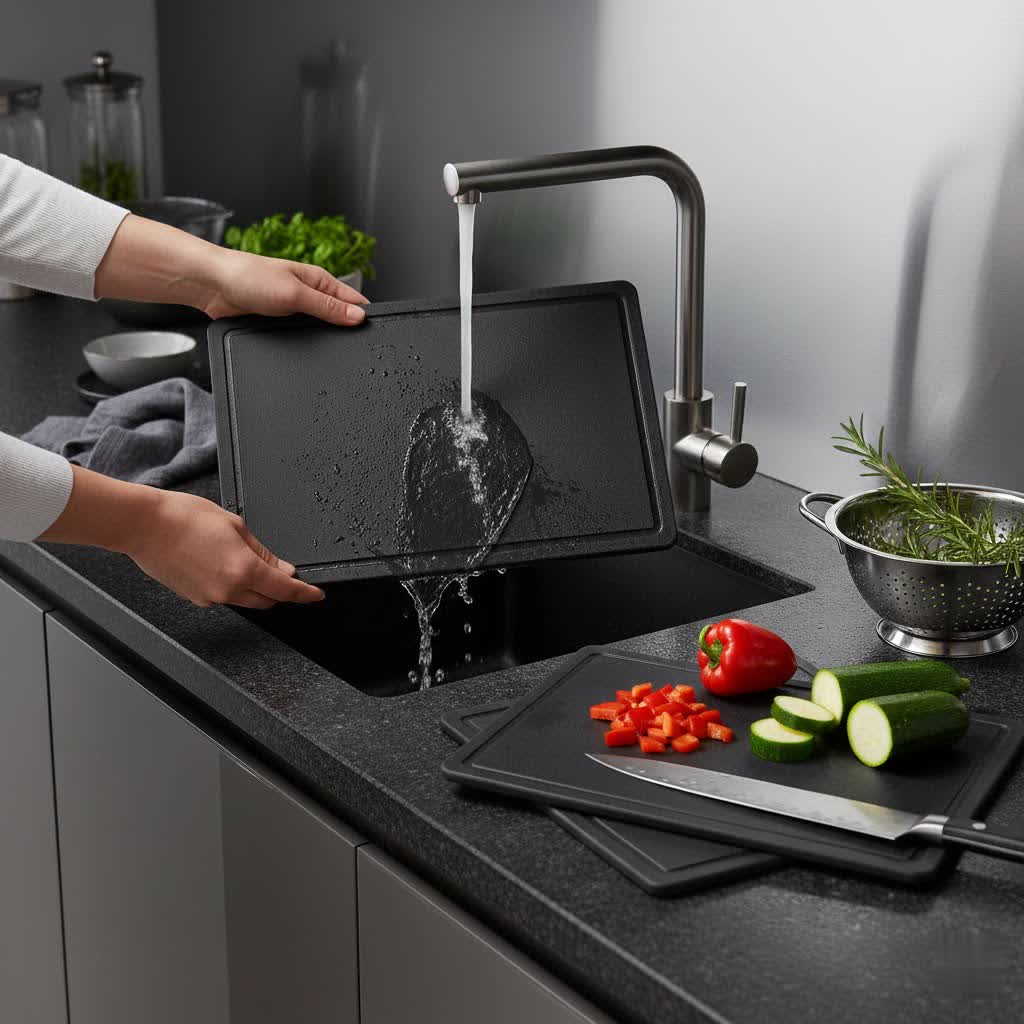
Choosing the right cutting board for your kitchen is more than just a matter of preference; it’s a critical decision that directly impacts food safety and hygiene. For years, plastic cutting boards were widely believed to be the more sanitary choice due to their non-porous nature and dishwasher-safe convenience. However, scientific research has challenged this long-held assumption, revealing a more nuanced picture of how bacteria behave on different surfaces. Are your culinary habits truly as safe as you think? This comprehensive guide will delve into the science, material properties, and best practices to help you understand whether plastic or wood cutting boards are genuinely more sanitary for your home.
Advantages and Disadvantages of Cutting Boards
The debate between plastic and wood cutting boards often boils down to a comparison of their inherent properties and how these affect hygiene, durability, and overall user experience. Both materials offer distinct benefits and drawbacks.
Plastic Cutting Boards
Table is empty.Plastic cutting boards are popular for their affordability, light weight, and perceived ease of cleaning. Many are dishwasher-safe, which can seem like a straightforward way to sanitize them after use. Made commonly from High-Density Polyethylene (HDPE), these boards are initially smooth and non-porous, resisting moisture absorption. However, this non-porous surface also means that once knife cuts occur, bacteria can easily become trapped in these grooves and scratches, lingering on the surface and potentially multiplying if not thoroughly cleaned. [cite: 1, 2, 4_1] Over time, deep grooves in plastic boards can become extremely difficult to sanitize effectively, requiring frequent replacement to maintain hygiene standards. [cite: 5_3] Concerns also exist regarding microplastic particles potentially shedding into food during cutting. [cite: 5_1]
Wood Cutting Boards
Traditionally, wooden cutting boards were the standard in kitchens, often valued for their aesthetic appeal and durability. Research, notably by microbiologist Dean Cliver from the University of Wisconsin, has shown that wood possesses surprising natural antimicrobial properties. When bacteria are absorbed into the wood’s fibers, they can become trapped and often die off within a few hours due to a lack of oxygen and the wood’s natural compounds. Hardwoods like maple, walnut, or cherry are particularly effective due to their dense, tight grain, which resists deep cuts and water absorption when properly maintained. While wood boards require more hands-on care, including hand washing and regular oiling, they are gentler on knife blades and can last for many years, even decades, with proper maintenance. [cite: 2_3, 3_3, 5_3]
Types of Plastic Cutting Boards
When considering plastic cutting boards, the material composition is crucial for both durability and food safety. Not all plastics are created equal in the kitchen.
High-Density Polyethylene (HDPE) is widely considered the industry gold standard for plastic cutting boards. Its molecular density provides excellent toughness and resilience, making it a robust choice for heavy-duty use. HDPE boards are typically NSF certified for food safety, ensuring they meet rigorous hygiene standards. They are non-porous and resist stains and odors, provided their surface remains relatively unscored. [cite: 1_2] For home use, a thickness of at least ½ inch is recommended for stability, while professional settings often require ¾ to 1 inch thick boards to prevent deflection during intense chopping. [cite: 1_2]
In contrast, materials like thin polypropylene (PP) or acrylic are less ideal. These plastics are more prone to brittleness and can develop micro-cracks and deeper scores much faster than HDPE. These imperfections create perfect hiding places for bacteria, transforming an initially sanitary surface into a potential hygiene hazard. [cite: 1_2] While plastic is often lauded for being dishwasher-safe, it’s essential to confirm that your specific board can withstand the high temperatures without warping or degrading, which could further compromise its integrity and cleanliness. [cite: 5_3]
Comparison Table: Plastic vs. Wood Cutting Boards
To help you make an informed decision, here’s a detailed comparison of plastic and wood cutting boards across key criteria:
| Feature | Plastic Cutting Boards (e.g., HDPE) | Wood Cutting Boards (e.g., Maple, Walnut) |
|---|---|---|
| Hygiene | Non-porous, but deep knife grooves trap bacteria. Dishwasher-safe (some types) for easy sanitation. Frequent replacement needed as grooves develop. [cite: 1, 4_1, 5_3] | Porous, but naturally antibacterial properties help trap and kill bacteria within the wood. Requires proper hand washing and drying. |
| Durability | Prone to deep scratches over time; can warp or degrade. Requires replacement when heavily scarred. [cite: 1_2, 5_3] | Highly durable and long-lasting with proper care. Can be sanded to remove deep cuts and restore surface. [cite: 2_3, 3_3] |
| Knife Friendliness | Harder surface can dull knife blades faster, especially with lower-quality plastics. [cite: 2_3] | Softer, more forgiving surface that helps preserve knife sharpness. [cite: 2_3] |
| Maintenance | Low initial maintenance; can often be machine washed. Requires replacement when significantly grooved. [cite: 5_3] | Higher maintenance: hand wash, dry immediately, regular oiling to prevent drying/cracking. [cite: 5_3] |
| Cost | Generally more affordable upfront. Higher replacement frequency increases long-term cost. [cite: 3_3] | Higher initial investment, but long lifespan often makes them more cost-effective over time. [cite: 3_3] |
| Environmental Impact | Made from non-renewable resources. Contributes to plastic waste; concerns about microplastics. [cite: 2_2, 4_3] | Renewable, biodegradable resource. Lower carbon footprint, especially when ethically sourced. [cite: 1_3, 2_2, 4_3] |
Guide to Buying the Right Cutting Board
Selecting the ideal cutting board goes beyond the plastic vs. wood debate; it involves considering several factors to ensure it meets your specific needs for safety, function, and longevity.
When buying a cutting board, prioritize material safety first. For plastic, always look for virgin HDPE (High-Density Polyethylene) that is certified for food contact, ideally by organizations like NSF. This ensures the material is non-toxic and less likely to harbor bacteria or shed harmful microplastics. For wood, opt for hard, close-grained woods like maple, walnut, or cherry, which offer superior durability and natural antimicrobial properties. Avoid softwoods or bamboo boards that use excessive glue, as adhesives can degrade over time.
Size and thickness are equally important. A board should be large enough to comfortably accommodate the food you’ll be preparing without overcrowding, typically at least 12×18 inches for general use. For thickness, ½ inch is a good starting point for plastic, while wood boards benefit from at least 1-1.5 inches to resist warping and provide stability. Thicker boards are generally more durable and less prone to shifting during use, enhancing safety.
Finally, consider the brand’s reputation and any additional features. Reputable brands often invest in quality materials and construction. Features like non-slip feet or juice grooves can enhance usability and contain messes. For wood, look for boards made with edge-grain or end-grain construction, which are more durable and knife-friendly than face-grain boards.
Top Picks: The Best Cutting Boards for Your Kitchen
When searching for the best cutting board, it’s not about finding a single “perfect” product, but rather identifying the materials and designs that excel for specific uses and prioritize safety and durability. Our top recommendations focus on materials proven to perform reliably in a busy kitchen.
For those who lean towards plastic, High-Density Polyethylene (HDPE) boards are the clear winner. Seek out commercial-grade options, often found in white or color-coded sets. These are engineered for heavy use, resisting deep cuts better than thinner alternatives, and are typically NSF-certified for food safety. Their robust construction ensures they can endure repeated washing and sanitizing cycles, making them a practical choice for raw meats where frequent intense cleaning is paramount. Remember to replace them when significant knife marks appear to prevent bacterial accumulation.
If you prefer the warmth and performance of wood, hardwood end-grain or edge-grain boards are highly recommended. Maple, walnut, and cherry are excellent choices due to their tight grain, natural antimicrobial properties, and gentle treatment of knife edges. End-grain boards, in particular, are known for their “self-healing” properties, allowing knife cuts to close up rather than creating permanent grooves, thus enhancing hygiene and extending board life. While they require diligent hand washing and regular oiling, the longevity and knife preservation benefits make them a superior investment for general prep, vegetables, and bread.
> “The greatest misconception is that plastic is always safer. While convenient, its hygiene depends entirely on its surface condition. A deeply scarred plastic board can be a bacterial haven, whereas a well-maintained wooden board often outperforms it in microbial safety.” – Dr. Emily Chen, Food Safety Microbiologist
Cleaning and Storing Your Cutting Board Correctly
Proper cleaning and storage are paramount to ensuring your cutting board, regardless of material, remains a sanitary surface for food preparation. Neglecting these steps can turn any board into a breeding ground for harmful bacteria.
For Plastic Cutting Boards:
After each use, especially with raw meat, immediately wash your plastic cutting board with hot, soapy water. For deeper sanitization, you can create a bleach solution: mix one tablespoon of unscented, liquid chlorine bleach with one gallon of water. [cite: 1_4, 2_4] Pour this solution over the board, ensuring the surface is completely covered, and let it sit for a few minutes (e.g., 5 minutes for concentrated solutions). [cite: 2_4, 3_4] Afterward, rinse thoroughly with clean water and allow it to air dry completely, or pat dry with paper towels. [cite: 1_4, 2_4] If your plastic board is dishwasher-safe, running it through a hot cycle provides effective sanitization. Crucially, replace plastic boards when they show deep knife grooves or become heavily stained, as these imperfections can harbor bacteria that are difficult to remove.
For Wood Cutting Boards:
Wood boards require a different approach. They should never be soaked or put in a dishwasher, as prolonged exposure to water and high heat can cause warping, cracking, or splitting. Instead, wash wood boards immediately after use with hot, soapy water. Scrub the surface thoroughly with a stiff brush. For sanitization, a solution of white vinegar and water (e.g., ½ cup vinegar to 1 cup water) can be effective; scrub this into the surface and rinse. [cite: 4_4] Always rinse thoroughly and dry the board immediately with a clean cloth. Allow it to air dry upright to ensure even drying and prevent moisture accumulation.
Regular maintenance is key for wood. To prevent drying, cracking, and to maintain its natural barrier against moisture, oil your wooden cutting board monthly with food-grade mineral oil or a specialized cutting board conditioner. This keeps the wood conditioned and extends its lifespan.
Conclusion
The debate between plastic and wood cutting boards is far from black and white, especially when it comes to sanitation. While plastic offers convenience and perceived ease of cleaning, its tendency to develop knife-scarred surfaces creates ideal breeding grounds for bacteria. Conversely, well-maintained wooden boards, particularly those made from dense hardwoods, possess natural antimicrobial properties that can surprisingly outperform plastic in bacterial elimination over time. Ultimately, the most sanitary cutting board is not solely defined by its material, but by how diligently it is cleaned, sanitized, and maintained.
By understanding the unique properties of each material and committing to rigorous hygiene practices, you can safeguard your kitchen from cross-contamination and ensure a safe environment for preparing delicious meals. Which type of cutting board will you choose to elevate your kitchen’s food safety standards?
Frequently Asked Questions
Are wooden cutting boards truly more sanitary than plastic ones?
Recent scientific studies suggest that well-maintained wooden cutting boards can be as safe, if not safer, than plastic boards. Wood’s porous nature can trap bacteria beneath the surface where they die, while plastic’s knife grooves can harbor bacteria on the surface, making them harder to remove.
When should I replace my plastic cutting board?
You should replace your plastic cutting board when it develops deep knife grooves, becomes heavily stained, or shows signs of warping or degradation. These imperfections create hiding spots for bacteria that are difficult to sanitize effectively, posing a food safety risk. [cite: 5_3]
Can I use the same cutting board for raw meat and vegetables?
To prevent cross-contamination, it is highly recommended to use separate cutting boards for raw meat and poultry, and another for fresh produce and cooked foods. This practice minimizes the risk of transferring harmful bacteria. [cite: 5_3]
How often should I oil my wooden cutting board?
For optimal protection and longevity, wooden cutting boards should be oiled monthly with a food-grade mineral oil or a specialized cutting board conditioner. Regular oiling prevents the wood from drying out, cracking, and helps maintain its natural moisture barrier. [cite: 5_3]
Is it safe to put plastic cutting boards in the dishwasher?
Many plastic cutting boards, especially those made from HDPE, are dishwasher-safe. Always check the manufacturer’s instructions. Dishwashing at high temperatures can effectively sanitize the surface, but this method is less effective for deeply grooved boards. [cite: 5_3]
What is the best way to disinfect a cutting board naturally?
For both plastic and wood, a solution of white vinegar and water can be used as a natural disinfectant. Scrub the board with the solution, let it sit for a few minutes, then rinse thoroughly and dry completely. [cite: 4_4, 5_3] Hydrogen peroxide can also be used for plastic boards. [cite: 4_4, 5_4]
Are there any concerns about microplastics with plastic cutting boards?
Yes, some studies indicate that Plastic Cutting Boards can shed microplastic particles into food during regular use. While the long-term health effects are still being researched, this is a growing concern for consumers.