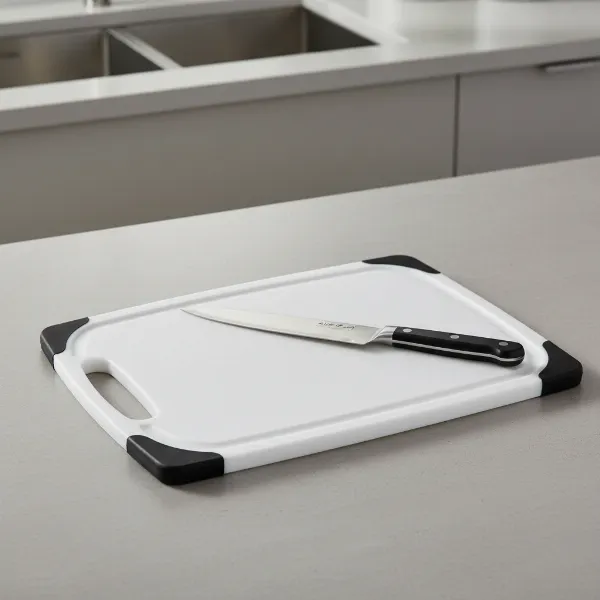
In the bustling world of kitchen essentials, the humble cutting board often sparks a lively debate. From traditional wood to sturdy plastic and versatile silicone, the choices are vast. Amidst this array, flexible cutting mats have carved out a niche for their unique blend of convenience and affordability. Among these, the Better Houseware Cutting Mat stands out as a popular, color-coded option frequently found in kitchens. But does this budget-friendly choice truly measure up to daily culinary demands? This review delves deep into its features, explores its strengths and weaknesses, and helps you decide if it’s the right fit for your cooking style.
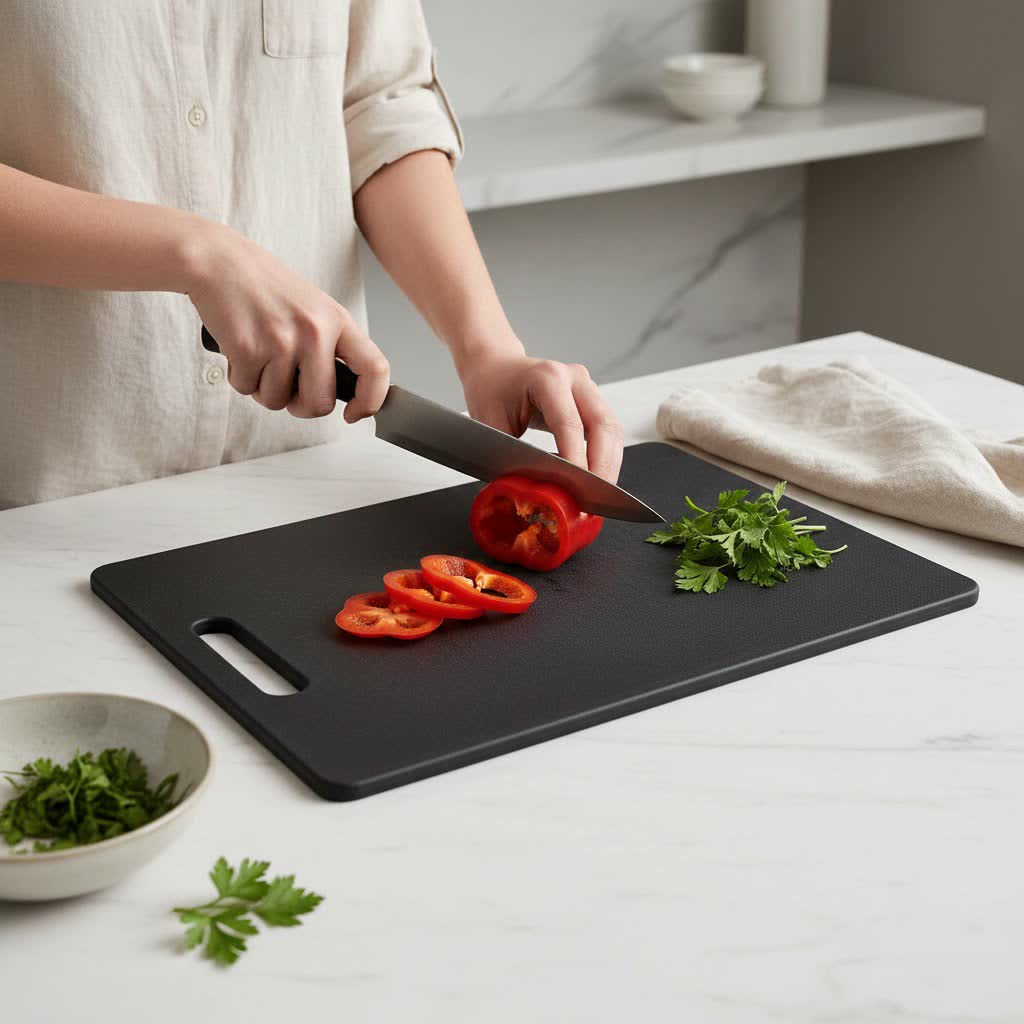
Unpacking the Better Houseware Cutting Mat: First Impressions and Features
At first glance, the Better Houseware Cutting Mat impresses with its practical and vibrant design. These mats are typically crafted from non-porous polypropylene (PP), a food-grade plastic known for being lightweight and easy to clean. This material choice is fundamental to the mat’s core appeal: its flexibility. Unlike rigid cutting boards, these mats are designed to bend, allowing for effortless transfer of chopped ingredients directly into bowls, pots, or pans, minimizing spills and mess.
A standout feature is the color-coded system, often seen with distinct hues like red, green, blue, and yellow, sometimes accompanied by food icons. This thoughtful design element promotes safer food preparation by designating specific mats for different food types—such as red for raw meats, green for vegetables, and blue for fish—thereby significantly reducing the risk of cross-contamination in your kitchen. Each mat usually measures around 15 by 12 inches, providing ample surface area for various chopping tasks without occupying excessive counter space. With a thin profile, typically around 1mm, they are remarkably easy to store, sliding into drawers or hanging without hassle. The underside of these mats often features a textured “waffle-back” pattern, intended to provide a better grip on countertops and prevent slipping during use.
The Flexible Advantage: What the Better Houseware Mat Does Well
The Better Houseware Cutting Mat truly shines in areas where traditional, rigid boards can be cumbersome. Its inherent flexibility is arguably its greatest asset, transforming the often-messy task of transferring ingredients into a seamless, no-spill operation. Simply chop, then fold or curve the mat, and guide your food precisely where it needs to go.
Beyond this practical maneuverability, the color-coded system is a significant boon for kitchen hygiene and organization. By visually distinguishing mats for different food groups, it empowers home cooks to practice better food safety habits without constant mental effort, reducing the risk of bacterial transfer between raw meats and fresh produce. This feature is particularly valuable in busy households or for those learning best practices in the kitchen.
Furthermore, these mats score high on convenience and storage. Their lightweight nature makes them easy to handle and move, while their thinness allows them to tuck away into minimal spaces, a huge plus for smaller kitchens where storage is at a premium. And let’s not forget affordability; the Better Houseware Cutting Mat typically comes in sets at a very accessible price point, making it an attractive option for budget-conscious consumers or as a supplemental set of boards for specific tasks. Their versatility even extends beyond food prep, proving useful for arts and crafts or as protective liners for drawers and shelves.
Where the Better Houseware Mat Falls Short: Common Criticisms
While the Better Houseware Cutting Mat offers undeniable convenience, user experiences frequently highlight several key limitations, primarily concerning its durability and stability. A recurring theme in reviews points to the mats’ susceptibility to deep knife marks and scratches after even moderate use. Many users describe the plastic as “too soft,” noting that sharp knives quickly gouge the surface, leading to noticeable grooves and the unsettling possibility of tiny plastic bits ending up in food over time. This can be a significant concern for those who use high-quality, sharp knives or frequently engage in heavy-duty chopping.
Another common complaint revolves around warping and curling. Despite their flexible nature, many mats tend to lose their flat shape, particularly after washing. While some product descriptions might suggest dishwasher safety, numerous users report that even hand-washing, or exposure to residual heat, can cause the mats to curl, making them frustratingly unstable and difficult to use on a flat countertop. This warping compromises their primary function and can even create an uneven, unsafe cutting surface.
The textured “waffle-back” underside, intended to provide grip, also receives mixed feedback. While it might offer some resistance, many users find that the mats still slide around during active chopping, necessitating the additional step of placing a damp paper towel underneath for enhanced stability. This extra effort can detract from the intended ease of use. Ultimately, for active home cooks, the mats’ longevity often falls short. They are frequently viewed as a “you get what you pay for” product, inexpensive initially but potentially requiring frequent replacement, which can negate the initial cost savings over time.
Better Houseware Cutting Mat vs. The Alternatives
Understanding the Better Houseware Cutting Mat’s place in the kitchen requires a brief look at its counterparts:
- Thicker Plastic Cutting Boards: These typically offer superior stability and durability. Often equipped with juice grooves, they are excellent for carving meats and handling juicier produce, preventing spills. Their thickness also provides a more substantial barrier between your knife and countertop.
- Wooden/Bamboo Boards: Revered for their aesthetic appeal and natural antibacterial properties, wooden and bamboo boards are generally considered gentler on knife edges, helping to maintain blade sharpness longer. They are sturdy and durable but require more diligent maintenance, such as oiling and hand-washing, and lack the flexibility of mats.
- Other Flexible Mats: While the Better Houseware mats are a budget option, some higher-quality flexible mats on the market may offer enhanced durability, better non-slip properties, or even claim “self-healing” characteristics (though true self-healing for kitchen use is rare and often refers to craft mats). These often come at a higher price point but may offer a better balance of flexibility and resilience.
Maximizing Your Mat’s Life: Care and Maintenance Tips
To get the most out of your Better Houseware Cutting Mat, a few simple care practices can make a significant difference in its longevity and performance:
- Hand Washing Recommended: While they may appear dishwasher-safe, hand washing with warm, soapy water is strongly recommended to prevent warping and extend their life. Harsh dishwasher cycles and high heat are frequent culprits for mat distortion.
- Immediate Cleaning: Wash the mats promptly after each use, especially after cutting strong-smelling foods like garlic or onions, or highly pigmented foods like beets, to prevent stains and lingering odors.
- Proper Storage: Store your mats flat to help maintain their shape. Stacking them neatly in a drawer or hanging them flat can prevent the curling issues that often plague thinner mats.
- Use a Damp Cloth for Stability: If you find the mat slipping on your countertop, place a damp paper towel or a thin, damp cloth underneath before you begin chopping. This simple trick creates friction and significantly improves stability.
- Rotate Usage: If you have multiple mats in a set, rotate their use to distribute wear evenly, preventing deep grooves from forming too quickly on a single mat.
Is the Better Houseware Cutting Mat Right for Your Kitchen?
The Better Houseware Cutting Mat presents a compelling option, particularly for certain types of cooks and specific kitchen needs. It’s an ideal choice for budget-conscious users who need an affordable solution for basic food preparation. Similarly, light prep tasks like slicing fruits, mincing herbs, or chopping smaller vegetables are well-suited to these mats. Occasional cooks or those looking for secondary boards to supplement their main cutting surfaces will appreciate the convenience and easy storage. Their color-coding makes them excellent for individuals prioritizing cross-contamination prevention and simple, hygienic food transfer.
However, if you’re a heavy-duty user who chops vigorously and frequently, or if you own high-quality knives that you wish to preserve, these mats might fall short. The quick dulling and deep scoring can be detrimental to blade longevity and create concerns about plastic particles. Cooks who dislike frequent replacements will likely find the short lifespan frustrating. Finally, if a completely flat, stable, and rigid cutting surface is paramount to your cooking experience, you might be better served by a thicker plastic or wooden board.
> “For many home cooks, the allure of flexible cutting mats lies in their immediate convenience and low cost. However, the true test comes with consistent, everyday use. Understanding their limitations, especially regarding durability, is crucial for managing expectations and making an informed purchase.”
Conclusion
Table is empty.The Better Houseware Cutting Mat offers a colorful, convenient, and affordable solution for kitchen prep, excelling in food transfer and promoting hygiene through its color-coded system. Its lightweight and flexible design makes it a practical choice for light chopping tasks and small kitchens. However, its thin construction often leads to concerns about durability, susceptibility to knife marks, and a tendency to warp over time. While it serves its purpose as a budget-friendly option, heavy users may find themselves needing frequent replacements.
Ultimately, the value of the Better Houseware Cutting Mat hinges on your personal cooking habits and priorities. If you prioritize convenience, organization, and a low entry cost for occasional use, these mats can be a useful addition to your kitchen. But if long-term durability, knife preservation, and unwavering stability are at the top of your list, investing in a more robust cutting surface might be a wiser choice. What do you value most in your everyday kitchen tools?
Frequently Asked Questions
Are Better Houseware Cutting Mats dishwasher safe?
While some flexible cutting mats may claim to be dishwasher safe, many users report that Better Houseware Cutting Mats are prone to warping and curling when subjected to the high heat of a dishwasher. For best results and to prolong their lifespan, hand washing with warm, soapy water is highly recommended.
Do Better Houseware Cutting Mats dull knives?
Like most plastic cutting surfaces, Better Houseware Cutting Mats can contribute to knife dulling over time, though typically less severely than glass or ceramic. Many user reviews suggest that the plastic is quite soft, leading to quick and deep scoring, which can affect blade edges and potentially embed tiny plastic particles into your food.
What are Better Houseware Cutting Mats made of?
Better Houseware Cutting Mats are typically made from non-porous polypropylene (PP). This food-grade plastic is chosen for its flexibility, lightweight nature, and ease of cleaning, making it a common material for thin, color-coded cutting mats.
How do I stop my flexible cutting mat from slipping?
To prevent a flexible cutting mat from slipping on your countertop, simply place a damp paper towel or a thin, damp cloth underneath the mat before you start chopping. The slight moisture creates friction, helping the mat stay securely in place during use.
Are flexible cutting mats hygienic?
Yes, flexible cutting mats, particularly color-coded sets like Better Houseware, can be very hygienic. The color-coding helps prevent cross-contamination by allowing users to designate separate mats for raw meats, vegetables, and other food groups. Being non-porous and easy to hand wash also contributes to good kitchen sanitation.