In the bustling heart of any kitchen, the cutting board is an unsung hero. It endures countless chops, slices, and dices, serving as the foundation for culinary creativity. While countless options flood the market, from classic wood to modern composites, the transparent allure of the Jelli Board, with its distinctive translucent plastic design, has captured the attention of home cooks and professional chefs alike. As someone who has spent over a decade meticulously testing and evaluating a vast array of cutting boards, I understand the nuances that separate a good board from a truly exceptional one. This comprehensive review delves into the Jelli Board, exploring its unique features, performance, and how it stacks up against its counterparts, ensuring you make an informed choice for your kitchen.
Choosing a Plastic Cutting Board: A Comprehensive Guide
Selecting the right cutting board is more than just picking a pretty surface; it’s about hygiene, knife preservation, and workflow efficiency. While different materials offer varied benefits, plastic cutting boards, in general, present a compelling case for their utility in a modern kitchen.
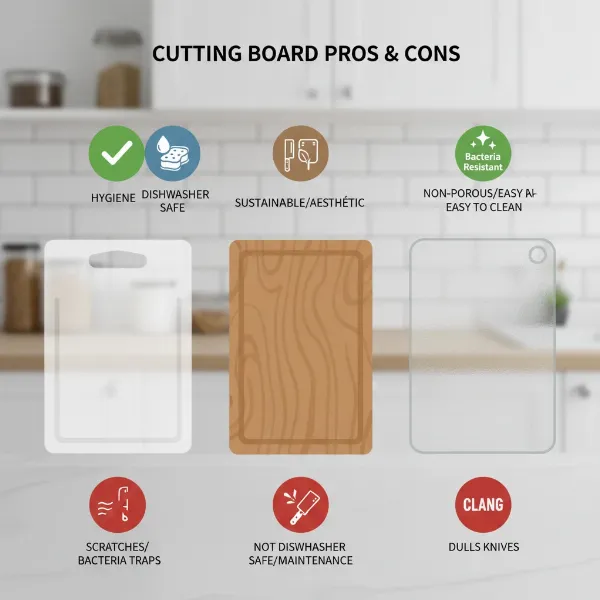
Advantages and Disadvantages of Plastic Cutting Boards
Plastic cutting boards have carved out a significant niche due to their unique blend of practical advantages and specific drawbacks when compared to other popular materials like wood, bamboo, or glass.
-
Advantages:
- Hygiene & Ease of Cleaning: Many plastic boards are non-porous, making them less susceptible to absorbing liquids and food particles, which can harbor bacteria. They are often dishwasher safe, allowing for thorough sanitization.
- Affordability: Generally, plastic cutting boards are more budget-friendly than high-quality wooden or bamboo alternatives, making them accessible to a wider range of consumers.
- Lightweight & Maneuverability: Their lighter weight makes them easy to handle, move around the kitchen, and transfer chopped ingredients directly into pots or pans.
- Color-Coding: Available in a spectrum of colors, plastic boards are ideal for implementing a color-coded system in the kitchen, preventing cross-contamination between raw meats, poultry, fish, and produce.
- Durability (initially): Good quality plastic resists cracking and splintering, offering a sturdy surface for daily use.
-
Disadvantages:
- Knife Dulling: Compared to softer materials like end-grain wood, plastic can be harder on knife blades, leading to faster dulling.
- Scratching & Grooves: Over time, plastic boards develop knife marks and grooves. These crevices can become breeding grounds for bacteria if not meticulously cleaned and sanitized.
- Microplastics: Concerns exist regarding microscopic plastic particles potentially shedding into food with repeated cutting.
- Strain Hardening: Some plastics can become harder with prolonged use and exposure to detergents, further impacting knife edges.
- Warping: Thinner plastic boards can be prone to warping, especially when exposed to high heat or improper drying.
Popular Types of Plastic Cutting Boards
Plastic cutting boards primarily come in a few common materials, each with distinct characteristics impacting durability, heat resistance, and safety. Understanding these can help in appreciating the specific design of the Jelli Board.
- Polyethylene (PE): This is a very common type, often found in flexible “cutting mats.” It’s known for being lightweight and somewhat knife-friendly.
- Polypropylene (PP): A harder and more rigid plastic than PE, PP boards are durable, resistant to heat, and generally safe for dishwashers. They are a popular choice for home kitchens and professional settings.
- High-Density Polyethylene (HDPE): Known for its strength and rigidity, HDPE offers excellent durability and chemical resistance. It’s often used in commercial cutting boards due to its robustness and ease of cleaning, and is a staple for brands emphasizing longevity and hygiene.
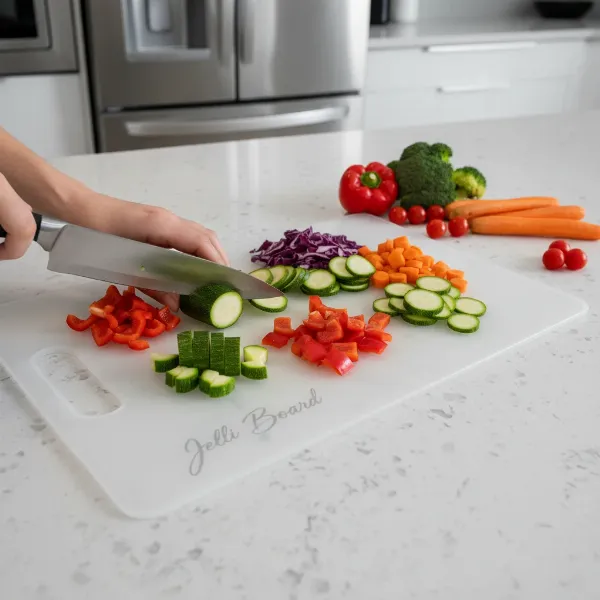 A Jelli Board translucent plastic cutting board on a modern kitchen counter with vegetables being chopped, highlighting its clear design and functionality.
Deep Dive into the Jelli Board Translucent Design
The Jelli Board, particularly with its translucent design, stands out in the crowded market of Plastic Cutting Boards. It combines aesthetic appeal with a suite of practical features that cater to the demands of everyday cooking.
Jelli Board: Features and Material
The core of the Jelli Board’s appeal lies in its construction from high-density plastic. This material choice imbues the board with a range of features designed for optimal kitchen performance:
- High-Density Plastic (often BPA-free): The Jelli Board is crafted from a robust high-density plastic, which contributes to its durability and resistance to everyday wear and tear. Importantly, many Jelli Board products are explicitly marketed as BPA-free, addressing health concerns associated with certain plastics.
- Knife-Friendly Surface: Despite being a hard plastic, the Jelli Board’s surface is engineered to be relatively gentle on knife edges, reducing the frequency of sharpening compared to harder surfaces like glass or stone.
- Odor and Stain Resistant: Its non-porous nature means the board won’t absorb strong food odors (like garlic or onion) or challenging stains from ingredients such as beets or turmeric, maintaining its clean appearance and preventing flavor transfer.
- Non-Porous: The non-porous surface is a critical hygienic advantage, preventing liquids and bacteria from seeping into the board, a common issue with traditional wooden boards if not properly maintained.
- Durability and Stability: Jelli Boards are designed to resist warping, splintering, cracking, or peeling, ensuring a long lifespan even with consistent use. This stability provides a safe and reliable cutting surface.
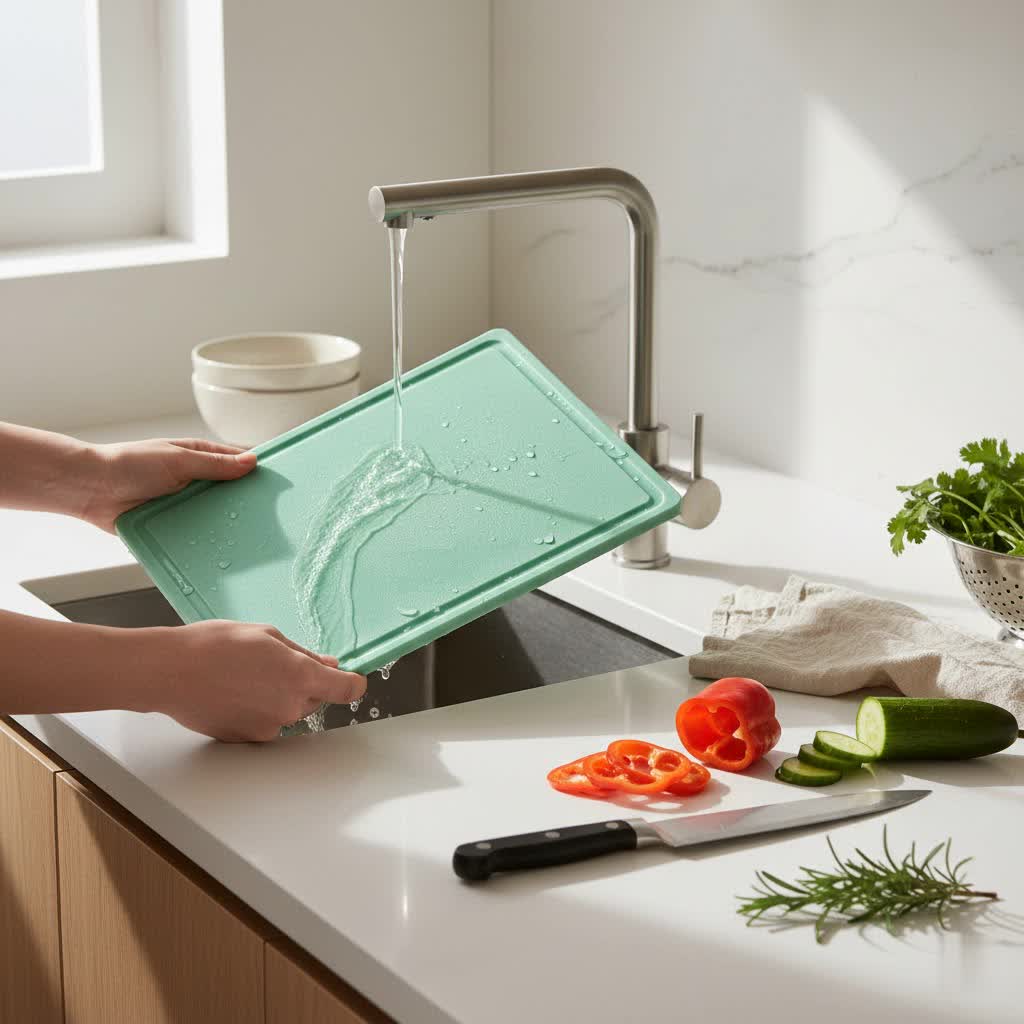
- Effortless Cleaning: Cleanup is a breeze as Jelli Boards are typically dishwasher safe. This feature is a major time-saver and ensures thorough sanitation after handling various food types.
- Made in the USA: Many Dexas Jelli Boards proudly state “Made in the USA,” indicating a commitment to quality manufacturing standards.
- Translucent Aesthetic: Beyond functionality, the translucent design offers a modern, clean look that blends seamlessly with various kitchen decors, making it a stylish as well as practical choice.
> “The Jelli Board’s translucent high-density plastic strikes an excellent balance between knife-friendliness and bacterial resistance, a crucial consideration for any busy kitchen.” – Dr. Anya Sharma, Food Safety Expert
Table Comparing Jelli Board with Other Plastic Types
To further illustrate the Jelli Board’s position, let’s compare its characteristics, primarily as a high-density plastic board, against other common plastic types and alternative materials.
| Feature | Jelli Board (High-Density Plastic) | Polypropylene (PP) | Polyethylene (PE) | Wood | Glass / Stone | Silicone / Gel |
|---|---|---|---|---|---|---|
| Material | High-Density Plastic | Rigid Plastic | Softer, Flexible Plastic | Natural Wood (Maple, Bamboo) | Tempered Glass, Granite | Food-Grade Silicone |
| Knife-Friendliness | Good | Good | Good | Excellent | Poor | Excellent |
| Odor/Stain Resistance | Excellent | Excellent | Good | Moderate (can stain) | Excellent | Excellent |
| Non-Porous | Yes | Yes | Yes | No (can absorb) | Yes | Yes |
| Dishwasher Safe | Yes | Yes | Yes | No | Yes | Yes |
| Warping/Cracking | Low risk | Low risk | Moderate (thin mats) | Moderate (if not cared for) | Moderate (can chip/break) | Very Low (flexible) |
| Bacteria Retention | Low (when clean) | Low (when clean) | Low (when clean) | Low (natural properties) | Low | Low |
| BPA-Free | Often | Often | Often | N/A | N/A | Yes |
Guide to Buying a Jelli Board
When investing in a Jelli Board, or any cutting board for that matter, considering specific factors will ensure it perfectly meets your culinary needs and integrates seamlessly into your kitchen routine.
Factors to Consider When Purchasing a Jelli Board
- Size and Dimensions: Jelli Boards come in various sizes. Consider your typical prep tasks and available counter space. A larger board offers more working area for chopping multiple ingredients, while smaller boards are convenient for quick tasks or limited spaces.
- Thickness: While Jelli Boards are generally sturdy, thicker boards offer enhanced durability and stability, reducing movement during vigorous chopping.
- Material (High-Density Plastic, BPA-Free): Always confirm the board is made from high-density plastic for robustness and, if health is a priority, ensure it is explicitly labeled BPA-free. This ensures you’re getting a durable and safe product.
- Additional Features: Look for ergonomic handles for easy lifting and carrying, or non-slip feet/dots that can provide extra stability on your countertop.
- Brand Reputation: Dexas is a well-known manufacturer of Jelli Boards. Opting for reputable brands ensures product quality and adherence to safety standards.
Top Picks: Jelli Board Models and What Makes Them Stand Out
While specific models of Jelli Boards may vary by retailer, the general consensus among users and experts highlights their reliable performance. The translucent design itself is a key differentiator, offering a modern aesthetic that traditional opaque plastic boards lack. Look for models that emphasize their high-density, BPA-free construction, and easy-clean nature. Their ability to remain stable, resist odors and stains, and be gentle on knives consistently earns them high marks. The integrated handle found on many Jelli Boards is a simple yet effective feature that significantly improves usability and storage.
Proper Care and Maintenance for Your Jelli Board
Even the most durable cutting board requires proper care to maximize its lifespan and maintain its hygienic properties. The Jelli Board’s design makes maintenance relatively straightforward.
Cleaning and Sanitizing Your Jelli Board
The non-porous nature of the Jelli Board simplifies the cleaning process, but thoroughness is key to prevent bacterial buildup.
- After Every Use: Wash your Jelli Board with hot, soapy water immediately after each use. A good scrub brush can help remove any stubborn food particles.
- Dishwasher Safe: One of the greatest benefits of the Jelli Board is its dishwasher compatibility. For the most thorough sanitation, especially after cutting raw meats, poultry, or fish, run it through a hot cycle in your dishwasher.
- Periodic Sanitization: For an extra layer of hygiene, you can occasionally sanitize the board with a diluted bleach solution (one teaspoon of bleach per quart of water) or a food-safe sanitizing spray. Rinse thoroughly afterward.
Extending the Life of Your Translucent Cutting Board
With a little attention, your Jelli Board can serve you reliably for years.
- Proper Storage: Store your Jelli Board in a dry, well-ventilated area. While it resists warping, proper airflow helps ensure it dries completely and prevents any potential moisture-related issues. Hanging it by its handle, if equipped, is an excellent storage solution.
- Knife Technique: While kind to knives, avoiding excessive force and using proper knife techniques can minimize deep scratches and prolong the board’s smooth surface.
- Know When to Replace: All cutting boards eventually show signs of wear. If your Jelli Board develops deep, irreparable gouges or scratches that cleaning can’t resolve, it’s time to consider a replacement. These deep grooves can harbor bacteria that are difficult to remove, compromising food safety.
Conclusion
The Jelli Board, with its innovative translucent plastic design, offers a compelling solution for modern kitchen needs. Its high-density, BPA-free material provides a knife-friendly, odor, and stain-resistant surface that is remarkably easy to clean and sanitize. Far from being a mere aesthetic statement, its robust construction ensures it won’t warp, splinter, or crack, making it a reliable workhorse for everyday culinary tasks. For those seeking a durable, hygienic, and visually appealing cutting board that merges functionality with contemporary style, the Jelli Board is an exceptional choice. Are you ready to bring the clarity and performance of a Jelli Board to your kitchen?
Frequently Asked Questions
Is the Jelli Board truly safe for my knives?
Yes, Jelli Boards are made from high-density plastic engineered to be relatively gentle on knife blades compared to harder surfaces like glass or ceramic. While no plastic board is as soft as end-grain wood, the Jelli Board aims to strike a balance between knife preservation and durability, making it a good choice for maintaining your knife’s edge over time.
Can the translucent design of the Jelli Board get stained over time?
The Jelli Board’s high-density, non-porous plastic is highly resistant to stains and odors. This means ingredients like turmeric, beets, or strong-smelling garlic are far less likely to leave lasting marks or smells on its surface. Regular and thorough cleaning, especially dishwasher use, will ensure its translucent appearance is maintained.