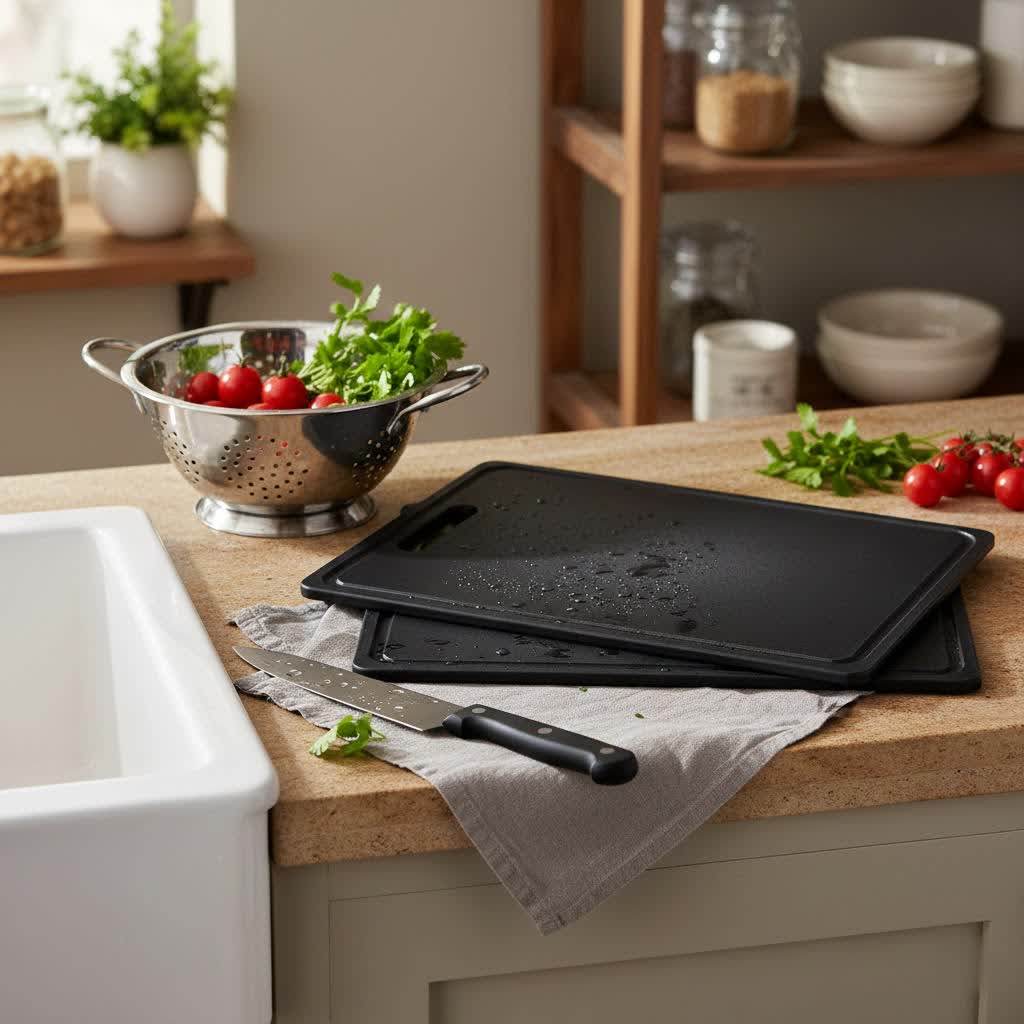
Every culinary enthusiast, from the home cook to the seasoned professional, understands the pivotal role a reliable cutting board plays in kitchen efficiency and hygiene. It’s the unsung hero, the foundation for countless meals, bearing the brunt of every chop, slice, and dice. In the bustling world of food preparation, where durability meets stringent sanitation standards, the Stanton Trading Professional Cutting Board emerges as a formidable contender, built to withstand the rigors of high-volume use. This review dives deep into what makes these boards a go-to choice, comparing their robust features against common kitchen alternatives and guiding you toward the perfect fit for your culinary needs.
Choosing Your Cutting Board: A Comprehensive Guide to Stanton Trading
When selecting a cutting board, several factors weigh into the decision, from material and size to ease of cleaning and overall longevity. Stanton Trading has established itself by focusing on the practical demands of commercial kitchens, translating into a product line that prioritizes hygiene, resilience, and user-friendliness.
Advantages and Disadvantages of Stanton Trading Plastic Cutting Boards
Table is empty.Stanton Trading professional cutting boards are predominantly crafted from polyethylene, often high-density polyethylene (HDPE), a material renowned for its specific properties that make it ideal for food service.
Advantages: The Core Strengths
- Exceptional Hygiene and Sanitation: A paramount concern in any kitchen, hygiene is where Stanton Trading boards truly shine. They are NSF Approved, signifying compliance with strict public health standards for food equipment. Their non-absorbent polyethylene surface prevents liquids, odors, and bacteria from penetrating, which is crucial for preventing cross-contamination, especially when handling raw meats. The boards are also dishwasher-safe, allowing for thorough sanitization at high temperatures, a significant advantage in busy environments. Furthermore, their white color (a common option across models like the 799-18, 799-30, and 799-152075) aids in visibility, making it easier to spot and clean food residues.
- Remarkable Durability and Longevity: Designed for demanding commercial settings, these boards are built to last. The polyethylene construction is impact-resistant and engineered to withstand repetitive cutting tasks, resisting deep knife marks and scratches that can harbor bacteria. This robust nature ensures a prolonged lifespan, even under heavy daily use.
- Practicality and Stability: Stanton Trading boards offer a stable, non-slip surface, ensuring safety and precision during food preparation. Many models are double-sided with a flat finish, providing versatility, while some, like the 799-30, feature a textured side for enhanced grip and a smooth side for different cutting needs. They are available in various sizes (e.g., 12″ x 18″ with 1/2″ thickness, 15″ x 20″ with 3/4″ thickness, and 18″ x 30″ with 1/2″ thickness), catering to diverse kitchen layouts and tasks. Their good value for money makes them an accessible professional-grade option.
Disadvantages: Considering the Trade-offs
- Knife Dullness: A common characteristic of harder plastic cutting boards, consistent use can be less forgiving on knife edges compared to softer materials like wood. While designed to resist knife marks, the inherent hardness of polyethylene can lead to more frequent sharpening of your knives.
- Potential for Visible Scratches: Although they “resist knife marks,” deep gashes can still accumulate over time, particularly with aggressive chopping. These scratches, while not immediately compromising the board’s function, can eventually become harder to clean thoroughly and may necessitate replacement to maintain optimal hygiene.
- Aesthetics and Heat Resistance: Stanton Trading boards are functional workhorses, typically presented in a standard white color that, while excellent for hygiene, may not appeal to those seeking a more aesthetic kitchen accessory. Additionally, plastic is not heat resistant and can warp or degrade when exposed to high temperatures from hot cookware or appliances.
- Weight Considerations: Depending on the size and thickness, some models can be quite heavy. For instance, the 799-18 model is listed at approximately 22.26 lbs, and the larger 799-30 at around 9.46 lbs, which might be a factor for users who frequently need to move or lift their board.
Popular Stanton Trading Plastic Cutting Board Models
Stanton Trading offers a range of professional-grade cutting boards, each tailored to specific needs:
| Model | Material | Dimensions (L x W x Th) | Stated Weight | Key Features | Ideal Use |
|---|---|---|---|---|---|
| 799-18 | Polyethylene | 18″ x 12″ x 0.5″ | ~22.26 lbs | Impact-resistant, resists knife marks, dishwasher-safe, NSF approved, white. | Mid-volume commercial, steady chopping tasks. |
| 799-30 | HDPE Polyethylene | 30.5″ x 18″ x 0.5″ | ~9.46 lbs | Non-absorbent, safe for knives, NSF approved, double-sided (textured/smooth). | Home chefs, catering, food prep stores. |
| 799-152075 | Polyethylene | 20″ x 15″ x 0.75″ | ~7.82 lbs | Dishwasher-safe, resists staining/odor, rugged surface, NSF certified, white. | Commercial food prep, high hygiene standards. |
(Note: Stated weights can sometimes refer to shipping weight for a case or may vary. Always verify actual product weight if a critical concern.)
Stanton Trading vs. Other Cutting Board Materials
Understanding how Stanton Trading’s plastic boards stack up against other materials is crucial for making an informed decision.
- Plastic (Stanton Trading) vs. Wood: Wooden cutting boards are often praised for their aesthetic appeal and knife-friendly surface, as softer wood can “heal” minor knife marks. Many hardwoods also possess natural antimicrobial properties. However, wood requires more maintenance (oiling to prevent drying and cracking), is generally not dishwasher-safe, and can be more prone to warping or harboring bacteria if not properly cleaned and dried. For sheer hygiene and ease of sanitization, especially with raw meats, plastic boards like Stanton Trading’s often have an edge in commercial settings due to their NSF certification and dishwasher compatibility.
- Plastic (Stanton Trading) vs. Bamboo: Bamboo boards are a sustainable and water-resistant choice. However, bamboo is denser than most woods and some plastics, making it harder on knife edges. While often eco-friendly, its porous nature can accumulate bacteria if not cleaned and oiled correctly. Stanton Trading’s polyethylene offers a non-porous surface that excels in preventing bacterial growth and is far easier to sanitize thoroughly in a dishwasher.
- Plastic (Stanton Trading) vs. Glass/Stone: Glass and stone cutting boards are highly hygienic, non-porous, and heat-resistant, making them visually appealing as serving platters. Their significant drawback, however, is their extreme hardness, which will rapidly dull and even damage your knife blades. They are not recommended for actual cutting tasks in a working kitchen.
- Plastic (Stanton Trading) vs. Composite: Composite boards, often made from sustainable wood fiber and resin, offer a middle ground, combining some benefits of both wood and plastic. They are generally lightweight, durable, non-porous, and dishwasher-safe, while being gentler on knives than harder plastics or glass. While they can be a great alternative, Stanton Trading’s polyethylene boards often come at a more accessible price point, particularly for commercial-grade durability.
Guide to Purchasing Your Ideal Stanton Trading Cutting Board
Selecting the right Stanton Trading professional cutting board involves considering your specific environment and culinary habits.
Key Factors to Evaluate
- Size and Thickness: Assess your available counter space and the scale of your typical food preparation. Larger boards (like the 18″ x 30″ 799-30) are excellent for big projects or processing large quantities of food, while smaller boards (like the 12″ x 18″ 799-18) are more manageable for daily tasks and fitting into dishwashers. Thicker boards provide greater stability and durability, which can be beneficial for heavy chopping.
- Intended Use: For commercial kitchens, restaurants, or catering services, the NSF certification and robust, dishwasher-safe design of all Stanton Trading professional boards make them highly suitable. For home chefs, these boards offer professional-grade durability and hygiene. If you primarily work with raw meats, the non-absorbent, easy-to-sanitize polyethylene is a significant advantage.
- Surface Texture: Some models, such as the 799-30, offer a dual-sided design with both a textured and a smooth surface. The textured side can provide a better grip for certain foods, while the smooth side offers a traditional cutting experience.
Top Picks: Matching Boards to Needs
- For Versatile Commercial or Heavy Home Use: The Stanton Trading 799-18 (12″ x 18″ x 0.5″) offers a balanced size that’s large enough for most tasks yet still manageable, featuring impact-resistant polyethylene and full dishwasher compatibility.
- For Larger Prep Areas and Ambitious Cooks: The Stanton Trading 799-30 (18″ x 30″ x 0.5″) provides an expansive work surface, ideal for large baking projects, extensive meal prep, or use as a dedicated countertop. Its dual-sided design adds versatility.
- For Uncompromising Commercial Hygiene: The Stanton Trading 799-152075 (15″ x 20″ x 0.75″) offers a thicker profile for enhanced durability and a reliable, NSF-certified surface that resists staining and odor retention, perfect for high-traffic food service environments.
> “In professional kitchens, the ability to quickly and thoroughly sanitize cutting surfaces is non-negotiable. Polyethylene boards like those from Stanton Trading are staples because they meet strict health codes and stand up to relentless use, making them an indispensable tool.” – Chef Antoine Dubois, Culinary Director, The Gourmet Institute
Cleaning and Maintaining Your Stanton Trading Cutting Board
Proper care is essential to maximize the lifespan and maintain the hygiene of your Stanton Trading professional cutting board.
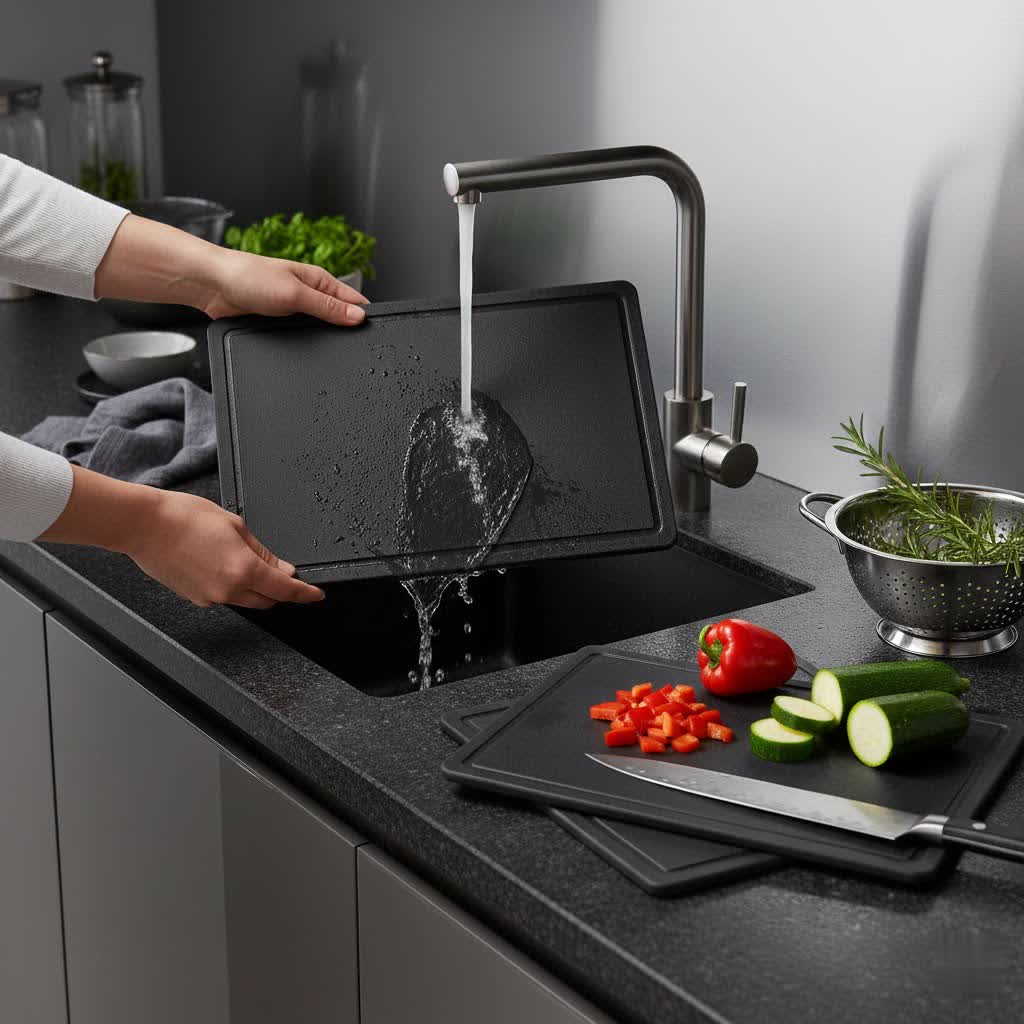
- Routine Cleaning: After each use, scrape off any food debris. Wash the board thoroughly with hot, soapy water. The non-absorbent surface makes this process efficient.
- Dishwasher Use: A major benefit of these boards is their dishwasher-safe design. For optimal sanitization, place them in the dishwasher, especially after cutting raw meats or poultry.
- Deep Cleaning and Sanitization: Periodically, you can use a diluted bleach solution (one tablespoon of liquid bleach per gallon of water) to sanitize the board. Rinse thoroughly afterward.
- Storage: Store your cutting board upright or flat in a dry, well-ventilated area to prevent any potential warping over time, though these boards are designed for stability.
- When to Replace: While durable, all plastic cutting boards eventually show signs of wear. If your board develops deep grooves or cuts that are difficult to clean, it’s time to replace it. These deep marks can harbor bacteria and compromise food safety.
Conclusion
The Stanton Trading Professional Cutting Board stands as a testament to functional design, delivering on the promise of durability, hygiene, and practicality. Crafted from resilient polyethylene and backed by NSF certification, these boards are an excellent investment for anyone demanding commercial-grade performance in their kitchen. While they may not offer the aesthetic warmth of wood or the delicate touch for your sharpest knives, their unparalleled ease of cleaning and resistance to bacterial absorption make them a superior choice for food safety, especially when handling raw proteins. Whether you’re a bustling restaurant chef or a home cook passionate about meticulous preparation, a Stanton Trading board provides a reliable, long-lasting surface for all your cutting needs. Isn’t it time your kitchen workspace worked as hard as you do?
Frequently Asked Questions
Are Stanton Trading professional cutting boards safe for all food types?
Yes, Stanton Trading professional cutting boards, being made of non-absorbent, NSF-approved polyethylene, are safe for all food types, including raw meats, poultry, fish, fruits, and vegetables. Their design minimizes the risk of cross-contamination when cleaned properly.
How do Stanton Trading boards compare to thicker plastic cutting boards?
Stanton Trading boards come in various thicknesses (e.g., 0.5″ or 0.75″). Generally, thicker plastic cutting boards offer enhanced stability and are more resistant to warping and deep gouges from heavy chopping, making them more suitable for extremely heavy-duty, long-term professional use.
Do Stanton Trading cutting boards contain BPA?
While not explicitly stated as “BPA-free” on all product descriptions, polyethylene, particularly high-density polyethylene (HDPE), is generally considered a safe plastic for food contact and typically does not contain BPA. These boards are designed for professional food safety.
How often should a Stanton Trading plastic cutting board be replaced?
The lifespan of a Plastic Cutting Board depends on usage and care. Replace your Stanton Trading board when it develops deep knife grooves that are difficult to clean, as these can harbor bacteria and become unhygienic, even with diligent cleaning.
Can these cutting boards withstand high temperatures?
No, Stanton Trading polyethylene cutting boards are not designed for high heat exposure. Like most plastic boards, they can warp or degrade if exposed to hot cookware, extreme temperatures, or direct flames. Always keep them away from heat sources.