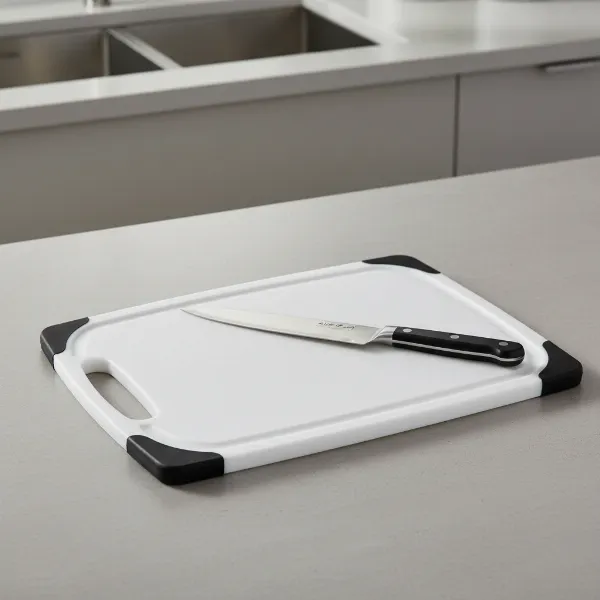
Choosing the right cutting board is a fundamental decision for any kitchen, from a bustling professional establishment to a cozy home cooking space. While size and material often grab the spotlight, the thickness of your cutting board plays a surprisingly crucial role in everything from stability and knife longevity to overall kitchen performance and safety. The debate between flexible, thin mats and robust, thick High-Density Polyethylene (HDPE) slabs isn’t just about personal preference; it’s about optimizing your culinary workflow. This guide will delve into the essential differences, advantages, and disadvantages of various cutting board thicknesses, with a special focus on the superior properties of HDPE, helping you select the perfect board to elevate your kitchen experience.
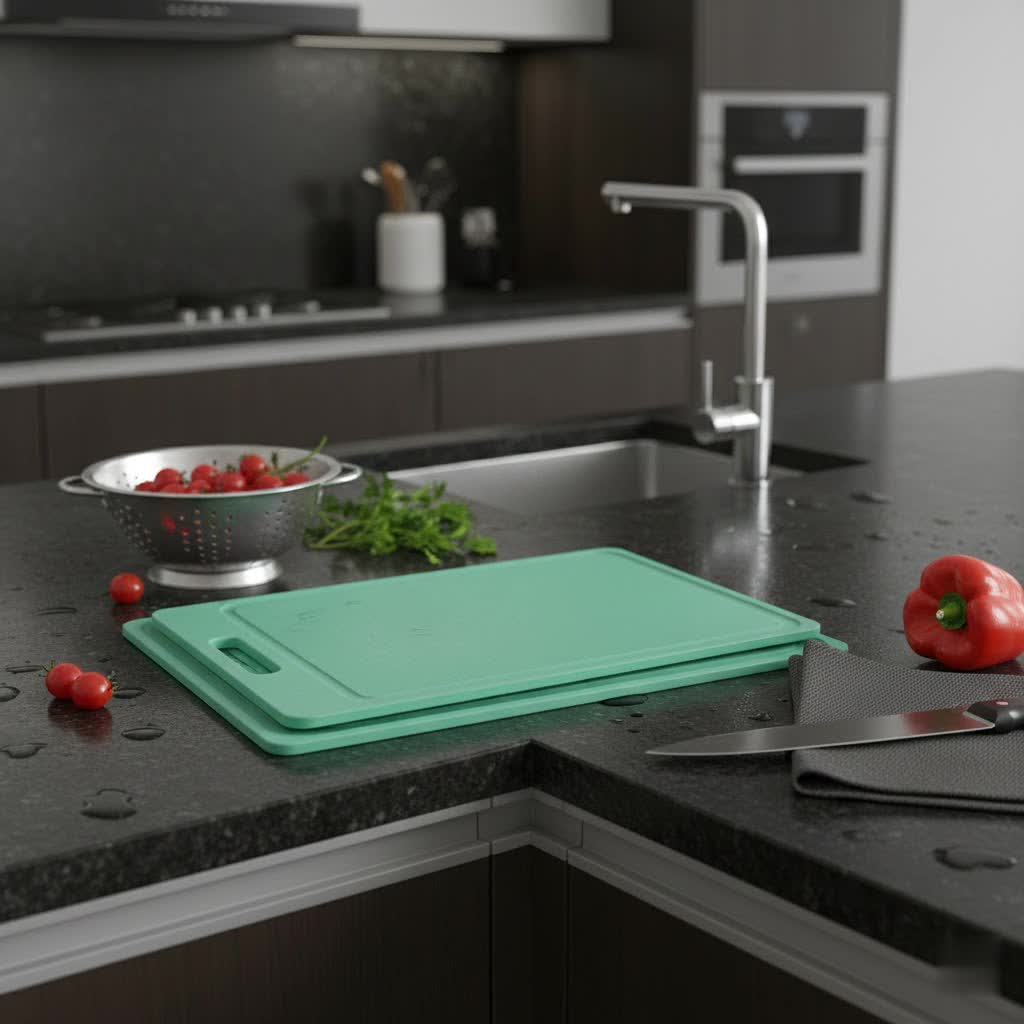
The Foundation: Understanding Plastic Cutting Board Materials and Thicknesses
Why Material Matters: The HDPE Advantage
Table is empty.High-Density Polyethylene (HDPE) stands as the industry standard for plastic cutting boards, and for good reason. This material is celebrated for its unique molecular density, which provides exceptional toughness, resilience, and resistance to impacts. Unlike inferior plastics such as polypropylene (PP) or acrylic, HDPE is less prone to brittleness and the formation of microscopic cracks that can become breeding grounds for bacteria, posing significant hygiene risks. Its non-porous surface also means minimal moisture absorption, making it highly resistant to chemicals, corrosion, and odors, and incredibly easy to clean. Many high-quality HDPE boards are NSF certified, guaranteeing they meet stringent public health and safety standards for food contact.
Common Plastic Cutting Board Thicknesses
Plastic cutting boards are available in a range of thicknesses, each suited for different applications and levels of use. The most common dimensions you’ll encounter typically include 1/4 inch, 1/2 inch, 3/4 inch, and 1 inch, with specialized commercial boards sometimes exceeding even these measurements. Understanding the characteristics of each thickness is key to making an informed decision, as what works best for a quick snack prep might be wholly inadequate for heavy-duty butchering.
Thin Mats: The Agile & Economical Choice
Thin plastic cutting boards, often found in 1/4 inch or 1/2 inch thicknesses, offer a distinct set of advantages that make them popular for certain kitchen tasks. These boards are lightweight, flexible, and typically more affordable, catering to specific needs where portability and quick cleanup are paramount.
Advantages of Thin Cutting Boards
Thin cutting boards excel in portability and storage, making them an ideal choice for compact kitchens, camping trips, or individuals who frequently move their prep station. Their light weight ensures they are easy to lift, wash, and store in tight spaces or hang on hooks, minimizing countertop clutter. From an economic standpoint, thin mats are generally more cost-effective upfront. This makes them an attractive option for businesses that require frequent replacement of boards due to high turnover or specific hygiene protocols. For home cooks, they are a budget-friendly way to maintain a variety of color-coded boards for different food types.
Furthermore, thin cutting boards offer remarkable versatility for specific tasks. They are perfect for light prep work, such as slicing fruits, chopping herbs, or assembling sandwiches on a prep line. Their flexibility can even be a benefit, allowing users to bend the board slightly to funnel chopped ingredients directly into a pot or bowl, minimizing spills and maximizing efficiency.
Disadvantages of Thin Cutting Boards
Despite their advantages, thin cutting boards come with notable drawbacks, particularly regarding durability and stability. Their slender profile makes them prone to warping, bending, or even cracking under heavy pressure or exposure to high temperatures, such as those in a dishwasher. This lack of rigidity means they can easily slide or shift on the countertop during use, posing a significant safety hazard and increasing the risk of accidental cuts. The impact absorbed by a thin board is also transferred more directly to your hands and wrists, potentially leading to increased fatigue during extended chopping sessions.
Thin boards can also compromise knife protection and longevity. With less material to cushion the blade’s impact, knives may dull faster as they come into harder contact with the countertop beneath the board. While many thin plastic boards are made from quality materials, their susceptibility to deep cuts and scratches means they can harbor bacteria if not replaced regularly or properly maintained, raising hygiene concerns.
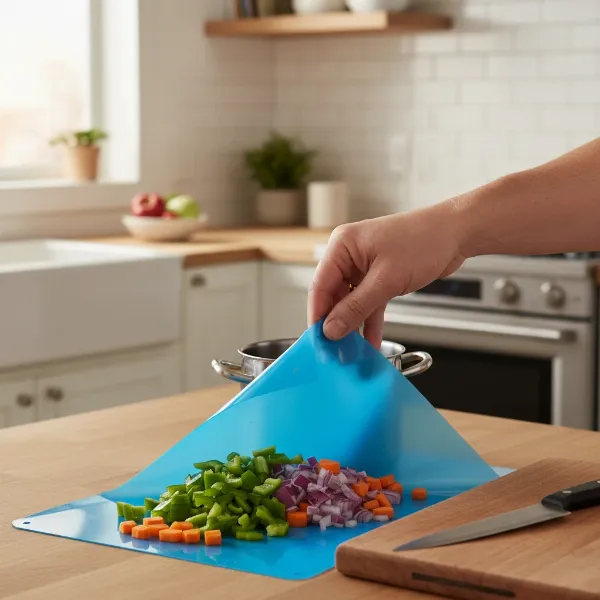 A thin, flexible plastic cutting mat being used to chop vegetables in a small kitchen. A chef's hand is visible. Bright, clean kitchen.
Thick HDPE Slabs: The Robust & Professional Standard
For those who demand unparalleled stability, durability, and a professional-grade cutting surface, thick HDPE slabs are the superior choice. These boards, typically ranging from 3/4 inch to 1 inch or more, are engineered to withstand the most demanding kitchen environments and tasks.
Advantages of Thick HDPE Cutting Boards
Thick HDPE cutting boards offer unrivaled stability and durability. Their substantial weight prevents any unwanted slipping or shifting on the countertop, creating an incredibly secure and immovable work surface. This solidity is crucial for safety and precision, especially when performing vigorous chopping or butchering tasks. These robust boards are highly resistant to warping, cracking, and deforming, even under continuous heavy use and repeated knife impacts, ensuring a long lifespan that can easily outlast thinner alternatives.
Furthermore, a thicker board provides enhanced knife longevity. The increased depth of the HDPE material allows the knife blade to sink appropriately into the surface, absorbing impact and reducing direct friction against harder surfaces. This cushioning effect helps to maintain knife sharpness for longer periods, protecting your valuable blades from premature wear and tear. This translates to superior safety by reducing the risk of slippage, allowing chefs to focus on their technique without distraction. These boards are built for heavy-duty performance, making them indispensable for professional kitchens, butcher shops, and serious home cooks tackling large cuts of meat, bones, or dense root vegetables. The initial investment in a thick HDPE slab pays off in longevity and value, as their exceptional durability means less frequent replacement. Moreover, quality HDPE boards can often be resurfaced by scraping away deep knife marks, extending their usable life significantly.
“For chefs who rely on precision and power, a thick HDPE cutting board is non-negotiable. It provides the unwavering foundation needed for intense prep work, ensuring both safety and the integrity of their knives.” – Chef Antoine Dubois, Head of Culinary Operations at The Grand Bistro
Disadvantages of Thick HDPE Cutting Boards
The primary drawbacks of thick HDPE cutting boards are their weight and bulk. Their substantial heft, while contributing to stability, can make them challenging to move, clean in a sink, or store, especially in kitchens with limited space. This can be a minor inconvenience for daily light tasks. Additionally, the higher initial cost of a premium thick HDPE slab might be a consideration for some budgets. However, this upfront investment is often justified by the board’s extended lifespan and superior performance, offering a better long-term return on value.
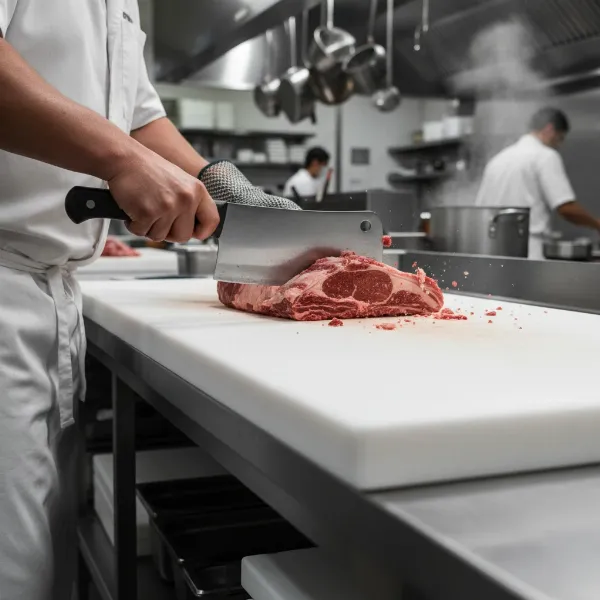 A large, thick white HDPE cutting board being used by a butcher to chop a large piece of meat with a cleaver. Professional, clean kitchen.
Choosing Your Ideal Cutting Board Thickness: A Comprehensive Guide
Selecting the perfect cutting board thickness involves evaluating your specific culinary needs, the types of food preparation you typically undertake, and your kitchen environment.
For Home Cooks
For the average home cook, finding the right balance between durability, stability, and practicality is key.
- Light to Medium Use: If your daily tasks primarily involve slicing fruits and vegetables, mincing herbs, or preparing smaller meals, a 1/2-inch thick HDPE board offers an excellent balance. It provides sufficient stability without being excessively heavy, making it manageable for everyday handling and cleaning. Look for models with integrated non-slip features or reversible designs to maximize utility.
- Heavy-Duty Home Use: For home chefs who frequently tackle larger roasts, prepare tough cuts of meat, or engage in more vigorous chopping, stepping up to a 3/4-inch or even 1-inch thick HDPE board is highly recommended. These thicker boards provide superior stability and can absorb the impact of more forceful chopping, ensuring a safer and more comfortable experience. While heavier, their enhanced durability means they will withstand years of demanding use.
For Professional Kitchens & Heavy Commercial Use
In commercial settings where volume, hygiene, and robustness are paramount, thicker HDPE slabs are the undisputed champions.
- Standard Professional: A 3/4-inch thick HDPE board is typically the minimum standard for professional kitchens, offering the necessary durability and stability for a wide range of daily tasks. These boards are robust enough to handle continuous use, resist warping in busy environments, and are compatible with commercial dishwashers.
- Butcher Blocks / Extreme Heavy Duty: For specialized tasks such as butchering, breaking down large proteins, or high-volume chopping, 1-inch thick HDPE boards and beyond (up to 2 inches) are essential. These heavy-duty slabs are designed to absorb maximum impact, prevent deep gouges, and provide an unyielding surface that can withstand constant, forceful use without deforming. In professional settings, always prioritize NSF-certified boards and implement color-coding to prevent cross-contamination, ensuring the highest standards of food safety.
Maintenance and Care for Your HDPE Cutting Board
Proper maintenance is crucial for extending the life and maintaining the hygiene of any cutting board, especially HDPE. For daily cleaning, hand-washing with hot, soapy water immediately after use is ideal. High-quality HDPE boards are typically dishwasher safe, offering convenient sanitization for busy kitchens.
Over time, even the most durable HDPE boards will develop knife marks. When these grooves become deep enough to potentially harbor bacteria or affect your cutting surface, the board can often be resurfaced. Using 400-grit sandpaper can effectively remove a thin layer from the surface, restoring it to a like-new condition and extending its hygienic lifespan. For storage, always stack boards vertically to prevent bowing or warping that can occur if they are laid flat under weight. Some reputable brands even offer impressive 10-year no-warp warranties, a testament to the longevity of well-made HDPE cutting boards.
Conclusion
The choice between a thin cutting mat and a thick HDPE slab significantly impacts your kitchen’s efficiency, safety, and hygiene. While thin mats offer convenience and affordability for light tasks, thick HDPE boards deliver superior stability, durability, and knife protection, making them the gold standard for demanding culinary environments. High-Density Polyethylene’s inherent properties—its non-porosity, resistance to warping, and ease of sanitization—further solidify its position as the preferred material for long-lasting performance. By carefully considering your specific needs and the intensity of your food preparation, you can confidently select the ideal thickness to ensure a safe, efficient, and enjoyable cooking experience. What thickness will you choose to elevate your culinary creations?
Frequently Asked Questions
What is the ideal thickness for a home cutting board?
For home use, a 1/2-inch thick HDPE cutting board is generally ideal for light to medium tasks, offering a good balance of stability and portability. For more demanding home cooking, a 3/4-inch to 1-inch thick board provides enhanced durability and stability.
Do thin plastic cutting boards warp easily?
Yes, thin Plastic Cutting Boards, especially those around 1/4 inch thick or less, are more prone to warping and bending under heavy use, high temperatures, or uneven drying. Thicker boards are significantly more resistant to warping.
Is HDPE a good material for cutting boards?
HDPE (High-Density Polyethylene) is considered an excellent material for cutting boards due to its non-porous nature, durability, resistance to cracking and warping, and ease of cleaning. It is a preferred choice in both home and professional kitchens for food safety and longevity.
How often should I replace my cutting board?
The replacement frequency depends on use and wear. While thick HDPE boards can last for many years, they should be replaced when deep, unrepairable grooves appear that cannot be resurfaced, as these can harbor bacteria. Thin boards may require more frequent replacement due to faster wear.
Can I put a thick HDPE cutting board in the dishwasher?
Most high-quality thick HDPE cutting boards are dishwasher safe and can withstand commercial dishwasher cycles without warping or damage. Always check the manufacturer’s specific care instructions to ensure proper cleaning and longevity.