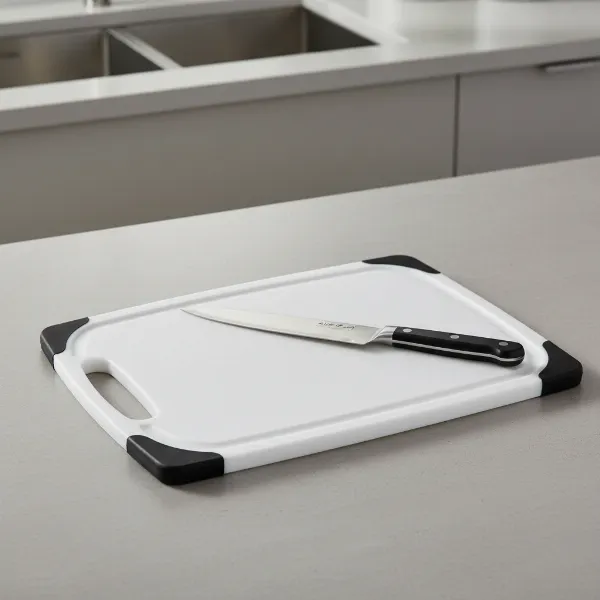
A trusty plastic cutting board is a kitchen staple, known for its hygiene and durability. However, few things are as frustrating as reaching for your board only to find it has taken on an unhelpful, curved shape. A warped plastic cutting board isn’t just an aesthetic annoyance; it can make chopping unstable, unsafe, and even create crevices for bacteria to hide. Understanding why this happens and how to prevent it is key to maintaining your kitchen tools.
Understanding Plastic Cutting Board Warping: A Comprehensive Guide
Plastic cutting boards warp primarily due to exposure to inconsistent heat or moisture, which causes the material to expand or contract unevenly. This internal stress can lead to the board bending, bowing, or twisting out of its original flat shape. Identifying the root cause is the first step in both prevention and potential repair.
What Causes Plastic Cutting Boards to Warp?
Several factors contribute to the unwelcome phenomenon of a warped plastic cutting board:
- Heat Exposure: This is by far the most common culprit. High temperatures can soften the plastic, making it pliable and susceptible to bending.
- Dishwashers: The intense heat and heated drying cycles in dishwashers are a frequent cause. The plastic can reach its softening point and then warp as it cools unevenly.
- Hot Pots and Pans: Placing a hot pan directly onto a plastic board can transfer enough heat to a localized area to cause immediate warping.
- Stove/Oven Proximity: Leaving a cutting board too close to a hot stove or oven can expose it to radiant heat, leading to gradual or sudden distortion.
- Direct Sunlight: Prolonged exposure to direct sunlight, especially through a window, can also generate enough heat to soften and warp the plastic.
- Uneven Drying/Cooling: When one side of the board dries or cools faster than the other, the plastic on the faster-drying/cooling side contracts more quickly, pulling the board into a curve. This often happens if a board is left leaning against a wall or in a dish rack without proper airflow on both sides.
- Improper Storage: Storing a plastic cutting board incorrectly can also contribute to warping.
- Leaning: Constantly leaning a board against an uneven surface for extended periods can encourage it to take on that shape over time.
- Stacking Heavy Items: While less common for plastic, consistently stacking heavy items on top of a board stored flat can induce stress and slight deformation.
- Material Quality and Type: Not all plastics are created equal. The type and quality of plastic, along with the board’s thickness, play a significant role in its resistance to warping. Thinner boards and those made from lower-grade plastics are generally more susceptible.
- Age and Wear: Over time, plastic can degrade, becoming more brittle and less resilient to temperature fluctuations and stress. Older boards with numerous knife grooves may also be more prone to warping.
- Manufacturing Defects: In rare cases, warping can be attributed to uneven stress and shrinkage during the injection molding process when the board was manufactured, leading to an inherent weakness.
How Different Plastic Types React to Heat and Stress
The properties of various plastics used in cutting boards dictate their resilience to heat and stress, and thus their propensity to warp.
- Polyethylene (PE): This is the most common material for plastic cutting boards, widely chosen for its durability, resistance to knife marks, and food safety. PE comes in different densities, notably HDPE (High-Density Polyethylene) and LDPE (Low-Density Polyethylene).
- HDPE boards are generally thicker and more rigid, offering better resistance to warping than thinner LDPE boards. However, even HDPE can warp under extreme heat. Their softening point is typically around 120-130°C (248-266°F), but they can start to deform at lower temperatures, especially with uneven heat distribution or mechanical stress.
- Polypropylene (PP): Polypropylene boards are often stiffer and slightly more heat resistant than standard polyethylene. They are less prone to scratching but can be harder on knives. PP typically has a higher melting point (around 160-170°C or 320-338°F) and a higher heat deflection temperature, meaning it can withstand hotter dishwasher cycles better than PE before showing signs of warping.
- Other Plastics/Composites: Some cutting boards might use other plastic blends or composite materials designed for enhanced durability and heat resistance. These often feature proprietary formulations to minimize warping and improve longevity.
| Plastic Type | Common Uses | Heat Resistance (General) | Flexibility | Warp Susceptibility |
|---|---|---|---|---|
| Polyethylene (PE) | Standard cutting boards, food containers | Moderate (Softens ~120°C) | Moderate | Moderate to High |
| Polypropylene (PP) | Stiffer cutting boards, food prep | Good (Softens ~160°C) | Low | Low to Moderate |
| High-Density Polyethylene (HDPE) | Commercial cutting boards | Good (More rigid than LDPE) | Moderate | Low to Moderate |
Preventing Warping: Best Practices for Care and Storage
Prevention is always easier than repair when it comes to warped plastic cutting boards. Incorporating these practices into your kitchen routine will significantly extend the life and flatness of your boards.
- Washing Guidelines:
- Handwashing is Preferred: For optimal care, handwash your plastic cutting boards with warm, soapy water immediately after use. This minimizes exposure to prolonged high heat.
- Dishwasher Use (with caution): If using a dishwasher, place the board on the top rack where temperatures are generally lower. Avoid intense heat cycles or the “sanitize” setting, which can reach temperatures that soften plastic. Ensure the board is positioned so water and heat can circulate evenly around it.
- Drying Techniques:
- Even Air Drying: After washing, allow the board to air dry completely and evenly on both sides. A dish rack that allows air circulation around the entire board is ideal. If leaning, try to alternate which side faces the support to prevent uneven drying and potential warping.
- Towel Drying: For immediate use or to speed up drying, thoroughly towel dry both sides of the board.
- Avoid Direct Heat for Drying: Never place a wet board directly on a hot stove, in a warm oven, or in direct sunlight to dry, as this is a guaranteed way to induce warping.
- Proper Storage:
- Store Flat: The best way to store plastic cutting boards is flat on a shelf or counter. This distributes any minor pressure evenly across the surface.
- Use a Board Stand: Vertical cutting board stands are excellent for both drying and storage, ensuring even airflow and preventing leaning or stacking issues.
- Avoid Leaning: Do not habitually lean boards against a wall or counter for long periods, as gravity and uneven pressure can gradually cause them to bend.
- Keep Away from Heat Sources: Store boards away from ovens, stovetops, radiators, and direct sunlight to prevent accidental heat exposure.
Can a Warped Plastic Cutting Board Be Fixed?
The good news is that minor warping can often be remedied, though severe warping might be irreversible. The principle behind fixing a warped board involves reapplying controlled heat to make the plastic pliable, then reshaping it while it cools.
- Gentle Re-shaping with Heat (Use Caution):
- Warm Water Method: Boil a pot of water. Carefully submerge the warped section of your board into the hot water for about 30 seconds to 1 minute, allowing it to soften. Be careful not to burn yourself.
- Oven Method (for more significant warps): Preheat your oven to a very low temperature, around 95-100°C (200-210°F). Place the warped cutting board on a flat baking sheet. Monitor it closely, removing it after 5-10 minutes when it becomes pliable. Do not leave it unattended, as it can melt or deform irreversibly if overheated.
- Reshaping: Once pliable (either from hot water or the oven), immediately place the board on a flat, heat-resistant surface. Gently press down on the warped areas or place heavy, flat objects (like books or other cutting boards) evenly across it to flatten it out as it cools. Allow it to cool completely in this flattened position, which may take several hours.
- Limitations: Severely warped boards, especially those with multiple bends or significant structural integrity loss, might be difficult or impossible to fully restore. Attempting to fix them may only lead to further damage.
- When to Replace: Beyond just warping, it’s crucial to know when to replace your cutting board for safety. If your board has deep grooves that are difficult to clean, cracks, or has become highly unstable even after attempting to fix it, it’s time for a new one. These imperfections can harbor harmful bacteria, posing a food safety risk.
“Many plastic cutting boards can be gently reshaped, but the key is controlled heat and even cooling. Overdo it, and you’ll end up with a melted mess instead of a flat surface.” – Chef Anya Sharma, Culinary Instructor
Choosing a Warp-Resistant Plastic Cutting Board
Investing in a quality cutting board upfront can save you frustration later.
- Material Selection: Opt for boards made from high-density polyethylene (HDPE) or polypropylene (PP). These materials generally offer superior heat resistance and structural stability compared to softer, lower-density plastics.
- Thickness and Durability: Thicker plastic cutting boards are inherently more stable and less prone to warping. Their increased mass and rigidity make them more resistant to temperature fluctuations and physical stress. Look for boards at least 1/2 inch thick for good durability.
- Design Features: Some boards incorporate features like non-slip feet or textured surfaces. While non-slip feet are great for safety, ensure they don’t impede even drying if the board rests solely on them. Integrated handles should not create thin points that might warp easily.
- Reputable Brands: Brands known for producing quality kitchenware often use better materials and manufacturing processes that result in more durable and warp-resistant cutting boards. Research reviews and product specifications before purchasing.
Conclusion
A warped plastic cutting board is a common kitchen conundrum, typically stemming from heat exposure and improper drying or storage. By understanding the causes, such as high dishwasher temperatures, hot pans, and uneven airflow, you can adopt simple yet effective preventative measures. Prioritizing handwashing, ensuring even drying, and storing boards flat or in a dedicated stand will significantly prolong their life and maintain their functionality. While minor warps can often be corrected with careful heat application, choosing high-quality, thicker boards made from materials like HDPE or PP is the best long-term strategy for avoiding this issue altogether. Don’t let a bowed board compromise your kitchen safety or efficiency; a little care goes a long way. What’s your go-to method for keeping your cutting boards perfectly flat?
Frequently Asked Questions
Why does my plastic cutting board warp in the dishwasher?
Plastic cutting boards warp in the dishwasher primarily due to the intense heat from the wash cycle and especially the heated drying cycle. These high temperatures can cause the plastic to soften and become pliable. As the board then cools, often unevenly, it retains the deformed shape it took while hot, resulting in a warp.
What temperature causes plastic cutting boards to warp?
The exact temperature depends on the specific type and quality of plastic. However, most common plastic cutting boards (made from polyethylene) can start to soften and warp at temperatures above 60-70°C (140-160°F), which is often reached during standard or hot dishwasher cycles. Higher-quality polypropylene boards may withstand slightly higher temperatures before deforming.
Can a warped cutting board affect food safety?
Yes, a warped cutting board can indeed affect food safety. The uneven surface created by warping makes it more difficult to chop ingredients stably and safely. More importantly, warps often lead to cracks or deeper grooves that are harder to clean effectively, allowing food particles and bacteria to accumulate and potentially contaminate food.
Is it better to handwash or machine wash plastic cutting boards?
Handwashing is generally better for preventing warping. It allows you to control the water temperature and avoid the intense, prolonged heat of a dishwasher’s heated dry cycle. If you must use a dishwasher, place the board on the top rack and avoid high-temperature or sanitizing cycles to minimize the risk of warping.
How should I store plastic cutting boards to prevent warping?
To prevent warping, store Plastic Cutting Boards flat on a shelf or counter, or in a dedicated vertical cutting board stand that allows air circulation on all sides. Avoid leaning them against a wall or other objects for extended periods, as this can lead to uneven pressure and stress that causes the board to bend over time.