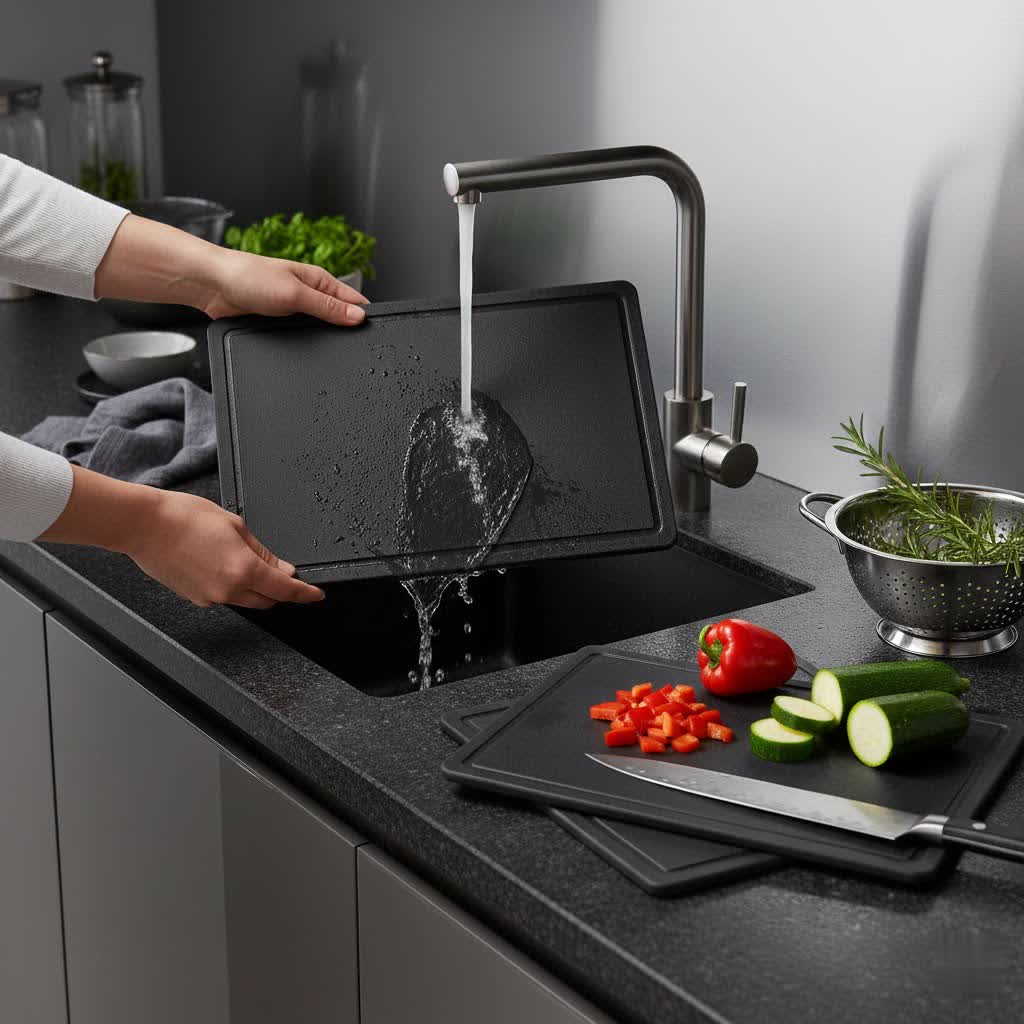
A warped plastic cutting board can be one of the most frustrating annoyances in the kitchen. That once-reliable surface now rocks, wobbles, and makes precise chopping a risky endeavor. You’ve probably experienced the frustration of trying to slice vegetables on an uneven surface, only to have them slide around or feel unsafe. But don’t despair! Before you toss that bowed board and buy a new one, there’s a simple, effective “oven hack” that can restore its flat, stable glory. This guide will walk you through the process, offering expert tips to bring your cutting board back to life and make your kitchen safer and more efficient.
Understanding Warped Plastic Cutting Boards
Before we dive into the fix, it’s helpful to understand why plastic cutting boards warp in the first place. These kitchen workhorses are typically made from polyethylene (PE) or polypropylene (PP), materials that become pliable when exposed to heat.
Why Do They Warp?
- Excessive Heat Exposure: This is the primary culprit. Placing hot pots and pans directly onto the board, washing it in a dishwasher on a hot cycle, or even leaving it too close to a hot stove can cause the plastic to soften and bend out of shape. The plastic molecules relax and lose their original structure.
- Improper Storage: Storing a cutting board on its side without proper support, or stacking heavy items unevenly on top of it, can also contribute to warping over time as the plastic slowly conforms to the pressure.
- Age and Wear: Older boards that have endured years of temperature fluctuations and stress are generally more susceptible to warping.
|
Our Picks for the Best Plastic cutting board in 2026
As an Amazon Associate I earn from qualifying purchases.
|
||
| Num | Product | Action |
|---|---|---|
| 1 | FARBERWARE Reversible Plastic Cutting Board, 8x10 Inch, White, Dishwasher Safe, Non-Porous and Durable for Chopping, Slicing, Prep, Easy to Store |

|
| 2 | FARBERWARE Extra-Large Plastic Cutting Board, 15x20 Inch Dishwasher-Safe Chopping Board with Juice Groove, Non-Slip Surface, Durable, White |
|
| 3 | Commercial Grade Plastic Cutting Board 18 x 12 x 1/2 Thick High Density White Poly, NSF Certified and Dishwasher Safe for Food Service |
|
| 4 | Farberware Large Cutting Board, Dishwasher- Safe Plastic Chopping Board for Kitchen with Easy Grip Handle, 11-inch by 14-inch, White |
|
| 5 | Goodluck 5 Pieces Flexible Cutting Boards, BPA Free Plastic Cutting Boards for Kitchen, Non Slip Cutting Mat for Meat and Vegetables |
|
| 6 | Extra Large Cutting Boards, Plastic Cutting Boards for Kitchen (Set of 3) Cutting Board Set Dishwasher Chopping Board with Juice Grooves Easy-Grip Handles, Dark Grey, Empune |
|
| 7 | KitchenAid Classic Cutting Board with Perimeter Trench and Non Slip Edges, Dishwasher Safe, 11 inch x 14 inch, White and Gray |
|
| 8 | GORILLA GRIP BPA-Free Reversible Kitchen Cutting Board Set of 3, US Designed, Nonporous, Juice Grooves Catch Liquid, Slip Resistant Border, Dishwasher Safe, Durable Large Food Chopping Boards, Black |
|
| 9 | THETCHRY Plastic Cutting Board Set of 3-Cutting Boards for Kitchen BPA Free, Large-Small Chopping Boards Non-Slip for Cooking Camping Dishwasher Safe, Reversible, with Grip Handle, 15"×10"×0.25" Green |
|
| 10 | OXO Good Grips Plastic Utility Cutting Board |
|
Why is a Warped Board a Problem?
Beyond being an annoyance, a warped cutting board poses several issues in the kitchen:
- Safety Hazard: A wobbly board can cause your knife to slip, increasing the risk of cuts and injuries. It provides an unstable surface for chopping, dicing, and slicing.
- Inefficient Cutting: An uneven surface makes it difficult to achieve uniform cuts, affecting the presentation and evenness of cooking.
- Hygiene Concerns: Gaps and curves in a warped board can create small pockets where food particles and moisture can collect, becoming breeding grounds for bacteria that are difficult to clean effectively.
The Oven Hack: A Step-by-Step Guide to Flattening Your Plastic Board
The oven hack leverages the very property that causes warping – the pliability of plastic under heat – to reshape it. Here’s how to do it safely and effectively.
Step 1: Preparation is Key
Before you begin, ensure your cutting board is clean and dry. Any food residue could bake onto the plastic, making it harder to remove later. Gather these essential materials:
- Your warped plastic cutting board
- A large, flat baking sheet (one that fits your board comfortably)
- Two oven mitts or heat-resistant gloves
- Several heavy, flat objects like cast-iron skillets, heavy books, or even another sturdy, flat cutting board. Make sure these are clean.
- A flat, heat-resistant surface where the board can cool (a countertop, a large table).
Step 2: Preheat the Oven (The Smart Way)
This step is crucial for success and preventing damage to your board.
- Set a Low Temperature: Preheat your oven to a low temperature, typically between 175°F to 200°F (80°C to 95°C). Avoid higher temperatures, as they can melt or distort the plastic beyond repair.
- Turn Off the Oven: Here’s the critical “oven hack” detail: Once your oven reaches the target temperature, turn it OFF immediately. This prevents direct radiant heat from the glowing heating elements from causing localized melting or bubbling on your plastic board. The residual heat will be sufficient to make the plastic pliable.
Step 3: Gently Heat the Board
Now it’s time to introduce your warped board to the gentle warmth of the oven.
- Place on Baking Sheet: Carefully place the warped plastic cutting board on the flat baking sheet, ensuring it lies as flat as possible with the concave (curved inward) side facing down if you can identify it.
- Into the Oven: Slide the baking sheet with the board into the pre-heated, turned-off oven.
- Monitor Closely: Watch the board through the oven door. The time required for it to become pliable will vary depending on the thickness and type of plastic, but it generally takes about 5 to 10 minutes. You’re looking for it to become noticeably flexible, not melting or bubbling. If you see any signs of bubbling or extreme distortion, remove it immediately.
Step 4: Flatten and Cool Under Weight
This is where you manually help the board regain its shape.
- Remove Carefully: Using your oven mitts, carefully remove the baking sheet and the now-pliable cutting board from the oven.
- Immediate Flattening: Quickly transfer the warm, flexible board to your prepared flat, heat-resistant surface. Immediately place your heavy, flat objects on top of the board, distributing the weight evenly across its surface. The goal is to press the board firmly back into a flat position.
- Cool Completely: Allow the board to cool completely under the weight for several hours, or even overnight. This slow cooling process is essential for the plastic to “set” in its new, flat shape. Removing the weight too soon could cause it to re-warp.
Step 5: Assess and Repeat (If Necessary)
Once cooled, remove the weights and check your cutting board. It should be significantly flatter, if not perfectly flat. If there’s still some slight warping, you can repeat the process. Sometimes, a second cycle with careful attention can achieve the desired results.
Alternative Methods for Unwarping
While the oven hack is highly effective, here are a couple of other methods for specific situations:
- Boiling Water Method: For smaller, thinner boards, you can pour boiling water over the warped area to make it pliable, then quickly bend and hold it flat as it cools. Be cautious with hot water.
- Sunlight/Hot Car Method: For very minor warping, leaving the board under direct sunlight on a flat surface, or inside a hot car with weights, can sometimes work. This method is slower and less controlled than the oven.
Prevention is Key: Avoiding Warping in the Future
An ounce of prevention is worth a pound of cure, especially when it comes to cutting boards.
- Avoid High Heat: Never place hot pans or dishes directly onto your plastic cutting board. Opt for trivets or hot pads instead.
- Dishwasher Care: If your board is dishwasher-safe, use a lower heat setting or the air-dry option. Better yet, handwash it with warm, soapy water.
- Proper Storage: Always store your plastic cutting boards flat. If you must store them vertically, ensure they are in a rack that supports their entire surface and prevents bending.
- Even Drying: After washing, allow your board to dry evenly on both sides before storing to prevent moisture-induced stress.
“A well-maintained cutting board is not just about aesthetics; it’s a fundamental aspect of kitchen safety and efficiency. Ignoring a warped board can lead to unnecessary risks and hinder your culinary precision.” – Chef Elena Rodriguez, Culinary Arts Instructor
Conclusion
Dealing with a warped plastic cutting board can be a minor kitchen annoyance, but it doesn’t have to mean throwing out a perfectly good tool. By understanding the causes of warping and applying a few simple techniques, particularly the effective and safe oven hack, you can easily restore your cutting board to its original flat condition. Remember to always prioritize safety, monitor the heating process closely, and cool your board thoroughly under even weight. With these tips, you’ll extend the life of your kitchen essentials, improve your cooking experience, and ensure your workspace remains safe and functional. Don’t let a little bend ruin your cutting board – give it a new lease on life with this easy fix! What other kitchen tools have you managed to salvage with a clever DIY solution?
Frequently Asked Questions
Can I use a hair dryer or heat gun to flatten a plastic cutting board?
While a hair dryer or heat gun can generate heat, they are not recommended for flattening a cutting board. They provide uneven, localized heat that can easily melt or deform the plastic in spots, leading to bubbling or permanent damage rather than a uniform flattening. The oven method provides more consistent, controlled heat.
What temperature is safe for plastic cutting boards in the oven?
For most common plastic cutting boards (polyethylene or polypropylene), a temperature between 175°F to 200°F (80°C to 95°C) is generally safe. It’s crucial to preheat the oven to this temperature, then turn it off before placing the board inside to prevent direct exposure to intense radiant heat.
How long should I leave the plastic cutting board in the oven?
The time required will vary based on the board’s thickness and the specific plastic type. Typically, 5 to 10 minutes in a preheated, turned-off oven is sufficient for the board to become pliable. Monitor it closely and remove it as soon as it feels flexible, without waiting for it to melt or bubble.
Will this method work for all types of plastic cutting boards?
This oven hack works best for common polyethylene (PE) and polypropylene (PP) plastic cutting boards. Boards made from other, more rigid plastics or composite materials may not respond as well to this heat-based method. Always check for any manufacturer guidelines if unsure.
Can a cutting board be too warped to flatten?
In some extreme cases, if a cutting board is severely warped, has deep creases, or has been exposed to excessively high temperatures that have already caused irreversible melting or bubbling, it might be beyond repair. However, for most common warping, the oven hack offers a good chance of restoration.