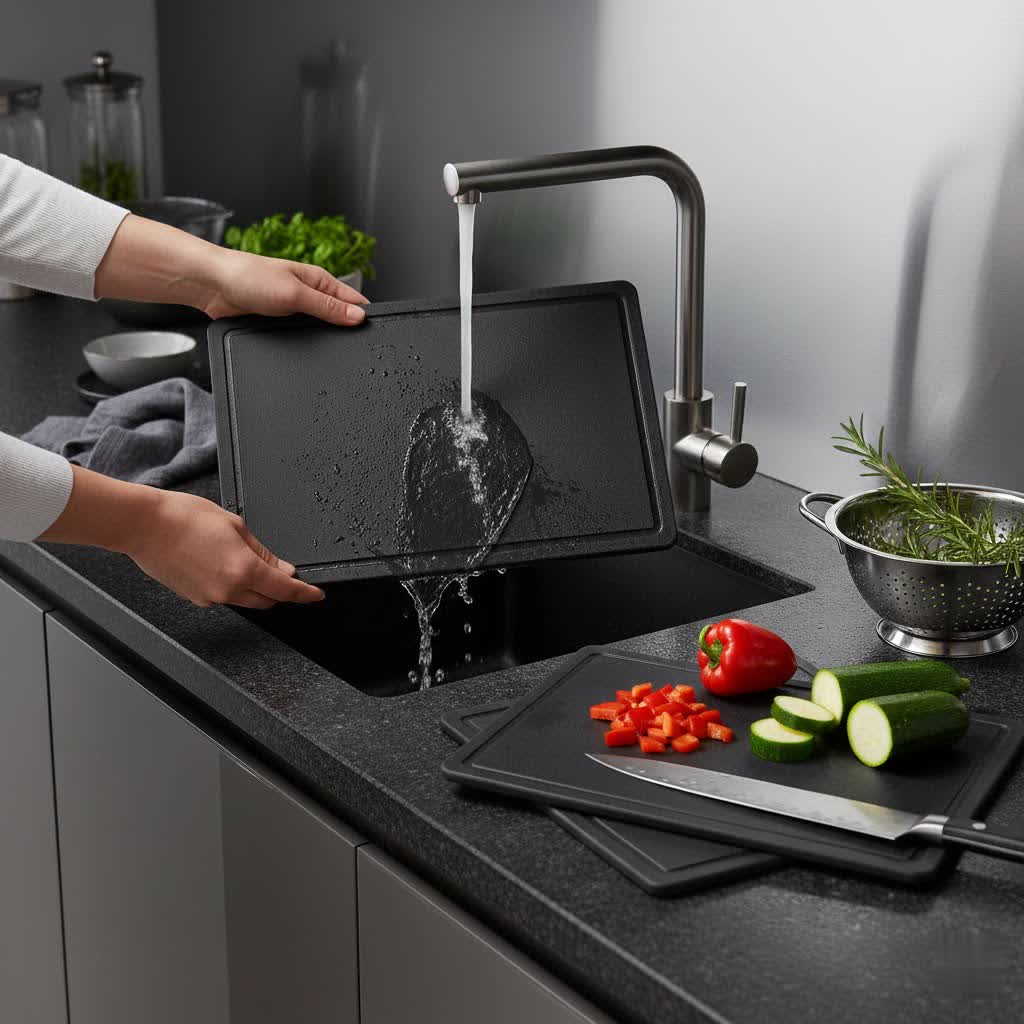
For many home cooks, a plastic cutting board is a kitchen staple, valued for its convenience and ease of cleaning. However, like all kitchen tools, plastic cutting boards have a lifespan, and knowing when to replace them is crucial for maintaining proper hygiene and ensuring food safety. Ignoring the signs of a worn-out board can turn this seemingly innocuous item into a breeding ground for harmful bacteria and a source of microplastic contamination. This guide will help you identify the critical indicators that signal it’s time to retire your old plastic cutting board and safeguard your family’s health.
Understanding the Evolution of Your Plastic Cutting Board
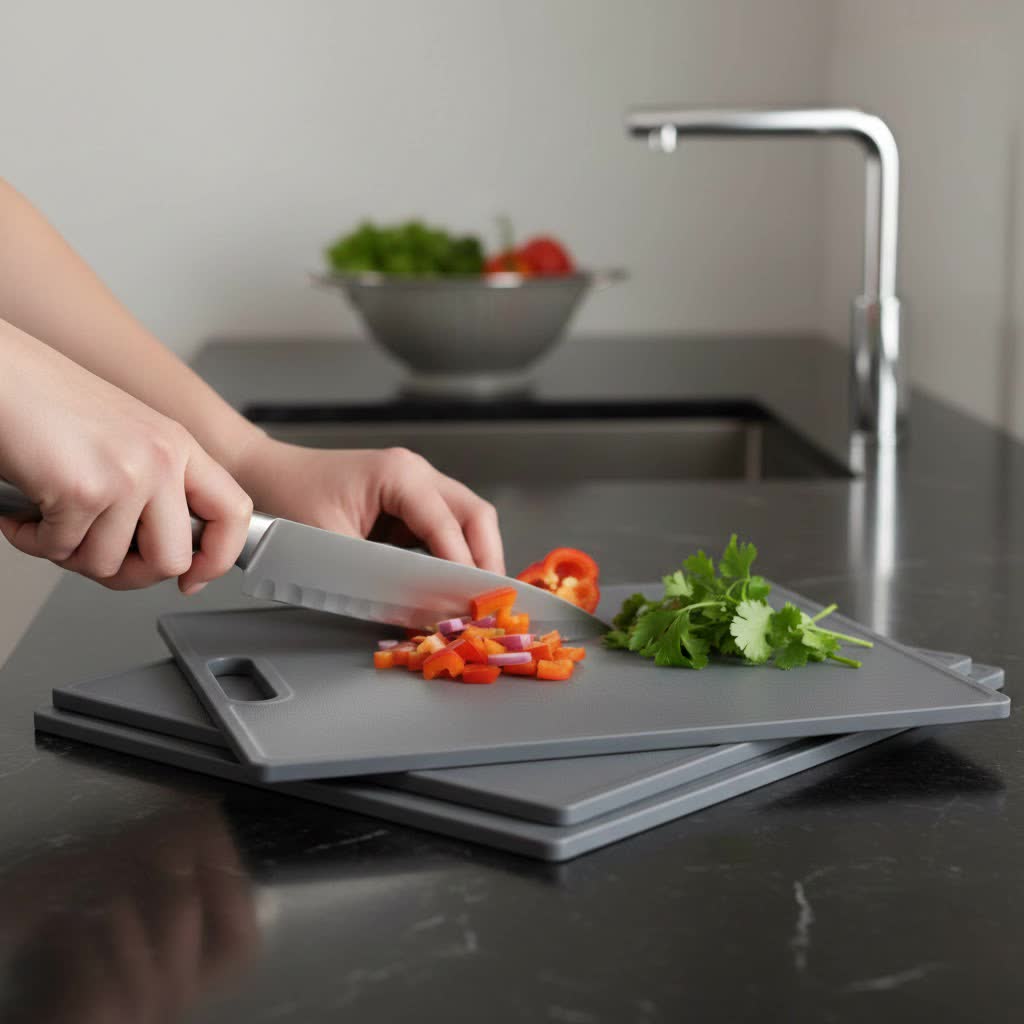
Plastic cutting boards gain popularity due to their non-porous nature, ease of sanitization, and often affordable price point. Unlike wooden boards, plastic traditionally resists absorbing liquids and is generally dishwasher-safe, making cleanup straightforward. However, this convenience comes with a trade-off: plastic surfaces are susceptible to knife damage. Over time, repeated knife strikes create cuts, grooves, and imperfections that compromise the board’s integrity, turning it from a sanitary surface into a potential health hazard.
Critical Signs Your Plastic Cutting Board Needs Replacing
Identifying a worn-out plastic cutting board is not always obvious at first glance. However, several key indicators signal that your board has surpassed its useful life and should be replaced. These signs primarily relate to surface damage, discoloration, persistent odors, and structural changes.
Deep Grooves, Scratches, and Knife Marks
|
Our Picks for the Best Plastic cutting board in 2026
As an Amazon Associate I earn from qualifying purchases.
|
||
| Num | Product | Action |
|---|---|---|
| 1 | Farberware Large Cutting Board, Dishwasher- Safe Plastic Chopping Board for Kitchen with Easy Grip Handle, 11-inch by 14-inch, White |

|
| 2 | Extra Large Cutting Boards, Plastic Cutting Boards for Kitchen (Set of 3) Cutting Board Set Dishwasher Chopping Board with Juice Grooves Easy-Grip Handles, Dark Grey, Empune |
|
| 3 | Commercial Grade Plastic Cutting Board 18 x 12 x 1/2 Thick High Density White Poly, NSF Certified and Dishwasher Safe for Food Service |
|
| 4 | FARBERWARE Reversible Plastic Cutting Board, 8x10 Inch, White, Dishwasher Safe, Non-Porous and Durable for Chopping, Slicing, Prep, Easy to Store |
|
| 5 | KitchenAid Classic Cutting Board with Perimeter Trench and Non Slip Edges, Dishwasher Safe, 11 inch x 14 inch, White and Gray |
|
| 6 | THETCHRY Plastic Cutting Board Set of 3-Cutting Boards for Kitchen BPA Free, Large-Small Chopping Boards Non-Slip for Cooking Camping Dishwasher Safe, Reversible, with Grip Handle, 15"×10"×0.25" Green |
|
| 7 | GORILLA GRIP BPA-Free Reversible Kitchen Cutting Board Set of 3, US Designed, Nonporous, Juice Grooves Catch Liquid, Slip Resistant Border, Dishwasher Safe, Durable Large Food Chopping Boards, Black |
|
| 8 | Goodluck 5 Pieces Flexible Cutting Boards, BPA Free Plastic Cutting Boards for Kitchen, Non Slip Cutting Mat for Meat and Vegetables |
|
| 9 | FARBERWARE Extra-Large Plastic Cutting Board, 15x20 Inch Dishwasher-Safe Chopping Board with Juice Groove, Non-Slip Surface, Durable, White |
|
| 10 | OXO Good Grips Plastic Utility Cutting Board |
|
The most critical sign that your plastic cutting board needs replacing is the presence of deep grooves, extensive scratches, or visible knife marks. These imperfections are more than just cosmetic flaws; they are crevices where food particles and moisture can hide, escaping even the most thorough cleaning efforts. The U.S. Department of Agriculture (USDA) advises discarding cutting boards once they become excessively worn or develop hard-to-clean grooves.
“Grooves, deep scuffs, or cracks in the cutting board—if even the smallest amount of liquid can pool in it or teeny bits of food get stuck, it’s time to say goodbye.” – Simply Recipes
These deep cuts create ideal environments for bacteria like Salmonella, E. coli, Listeria, and Staphylococcus to thrive and multiply, leading to potential cross-contamination with your food. If you can visibly see indentations where food debris gets caught, or if the surface feels rough and uneven, it’s a clear indication of a compromised board.
Persistent Stains and Discoloration
While some staining is inevitable with use, persistent and noticeable discoloration, especially dark spots, black marks, or a generally dull, aged appearance, can indicate more than just cosmetic wear. These stains may be a sign of mold growth or bacterial accumulation that cleaning can no longer effectively remove. If your board has large areas of color change or abnormal discoloration even after cleaning, it’s time for a new one.
Lingering, Unpleasant Odors
A plastic cutting board should not retain food odors after proper cleaning. If your board consistently emits an unpleasant smell, such as a rancid, sour, or generally stale odor, even after being washed and sanitized, it’s a strong indicator of bacterial contamination. This often means that bacteria have permeated the surface’s tiny crevices and are releasing foul-smelling compounds. When odors persist despite rigorous cleaning, it’s a clear signal that the board has been severely contaminated and is difficult to restore to a sanitary state.
Warping or Cracking
Exposure to heat (like hot water in a dishwasher) and varying levels of moisture can cause plastic cutting boards to warp or crack over time. A warped board compromises its flat surface, making it unstable and potentially dangerous during food preparation. An unstable board is more prone to slipping and sliding, increasing the risk of accidents. Severe cracks not only retain food particles but can also absorb water, further encouraging bacterial growth and accelerating deformation. If your board is noticeably warped, has significant cracks (especially those over 2 mm wide or running through the entire board), or feels unstable, it’s time to replace it.
Concerns About Microplastic Shedding
Beyond bacterial contamination, there’s a growing concern about microplastic shedding from worn plastic cutting boards. Each time a knife strikes the plastic surface, especially as the board develops deep grooves, tiny plastic particles can break off. These microplastics can adhere to food, particularly moist or fatty items, and be unknowingly consumed. While the long-term health implications are still being studied, research suggests that microplastics can transfer to the intestines and bloodstream and may have harmful effects, including stimulating endocrine disruptors linked to various health issues. Replacing heavily scored boards can help minimize this exposure.
The Dangers of Continuing to Use a Worn Plastic Cutting Board
Using a plastic cutting board past its prime poses several risks to your health and kitchen safety:
- Increased Risk of Foodborne Illnesses: The primary danger is the proliferation of bacteria in hard-to-clean grooves and scratches. These bacteria can easily transfer to your food, leading to foodborne illnesses and cross-contamination, especially when preparing raw meats, poultry, or seafood.
- Microplastic Ingestion: As discussed, worn boards shed microplastics that can end up in your food and, subsequently, your body.
- Reduced Cutting Efficiency and Safety: A warped or unstable board can make cutting difficult and hazardous, increasing the risk of cuts and slips. Dull knife blades also contribute to deeper grooves, creating a vicious cycle of damage.
How Often Should You Replace Your Plastic Cutting Board?
While there’s no single definitive expiration date, most experts agree that plastic cutting boards should be replaced regularly. The typical lifespan for a plastic cutting board ranges from 1 to 3 years, though some may last up to 5 years depending on the quality of the material and the frequency and intensity of use. Regularly inspecting your board for the signs mentioned above is more important than adhering to a strict timeline. If you notice any of the critical signs of wear, discoloration, or odors, it’s time to replace it regardless of how long you’ve owned it.
Maximizing the Life of Your Plastic Cutting Board (Before It’s Time to Say Goodbye)
While replacement is inevitable, proper care can extend the useful life of your plastic cutting board:
- Wash Thoroughly After Each Use: Clean your board immediately with hot, soapy water after each use. Dishwashers are generally effective for plastic boards, as the high temperatures help sanitize them.
- Sanitize Regularly: Beyond daily washing, sanitize your board periodically. A solution of 1 tablespoon of unscented liquid chlorine bleach per gallon of water, flooded over the surface for several minutes, can be effective. Rinse thoroughly afterward.
- Use Separate Boards: Designate separate cutting boards for raw meats/poultry/seafood and for produce/bread to prevent cross-contamination. This is a crucial practice for food safety.
- Use Sharp Knives and Gentle Force: Sharp knives cut more efficiently and with less pressure, reducing the depth of cuts and grooves compared to dull knives that require more force.
- Store Properly: Ensure your board is completely dry before storing it in a well-ventilated area to prevent moisture buildup and mold growth.
Remember, even with the best care, plastic cutting boards will eventually show signs of wear that make them unsafe. When cleaning no longer makes the board truly clean, or when deep grooves become evident, it’s time to retire it.
Conclusion
Your plastic cutting board is a workhorse in the kitchen, but its lifespan is not indefinite. By understanding the critical signs of wear—deep grooves, persistent stains, lingering odors, and structural damage—you can protect your household from potential foodborne illnesses and microplastic exposure. Regularly inspecting your board and replacing it when these indicators appear, typically every 1 to 3 years, ensures a safe and hygienic food preparation environment. Don’t compromise on kitchen safety; when in doubt, it’s always better to replace your old plastic cutting board with a new, pristine surface. When was the last time you truly examined your cutting board for these warning signs?
Frequently Asked Questions
How often should I sanitize my plastic cutting board?
You should wash your plastic cutting board with hot, soapy water after every use. For sanitization, aim to do it regularly, especially after cutting raw meat, poultry, or seafood. A bleach solution (1 tablespoon per gallon of water) or a hot dishwasher cycle can effectively sanitize the surface.
Can I sand down a plastic cutting board like a wooden one?
Unlike wooden cutting boards, which can sometimes be sanded down to remove surface damage, plastic boards are generally not recommended for sanding. Sanding plastic can create rougher surfaces, potentially making grooves even harder to clean and increasing microplastic shedding.
Are certain plastic cutting board colors safer than others?
The color of a plastic cutting board generally doesn’t affect its safety or material quality. However, some professionals use color-coded boards (e.g., red for raw meat, green for vegetables) to prevent cross-contamination, which is a good practice for home kitchens too.
What are BPA-free plastic cutting boards?
BPA-free plastic cutting boards are made from plastics that do not contain Bisphenol A, a chemical that has raised concerns about its potential health effects. Opting for BPA-free boards can be a healthier choice if you prefer plastic.
Can I still use a discolored plastic cutting board if it feels smooth?
Even if a discolored board feels smooth, discoloration (especially dark or mildew-like spots) often indicates bacterial or mold growth that has penetrated the plastic. If cleaning doesn’t remove the discoloration, it’s safer to replace the board to avoid potential contamination.